

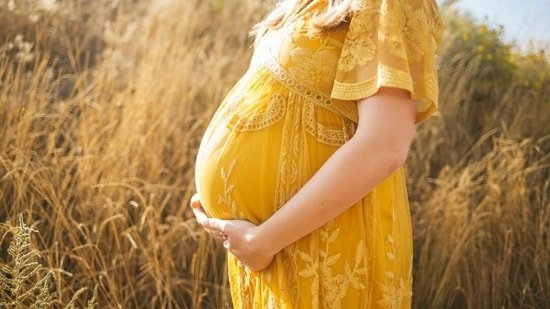
Pregnancy is one of the most beautiful phases in a woman’s life. However, holding a life for nine months isn’t easy and requires utmost care and attention. While the entire phase is tedious, there are a few trimesters that hold risks from environmental factors.
Which stage of pregnancy is most vulnerable to pollution?
“The first trimester is generally considered the most sensitive time in terms of air pollution exposure. During these first 12 weeks, the baby’s major organs, the brain and the nervous system are developing rapidly, making the fetus more vulnerable to environmental factors that may interfere with normal growth and development,” said Dr Sowmya K N, consultant – obstetrician and gynaecologist, Gleneagles BCG Hospital, Kengeri, Bengaluru.
How do environmental factors impact pregnancy?
Sowmya highlighted that women continue to be at risk when exposed to pollution throughout their pregnancy. Prolonged exposure to poor air quality has been linked to several complications, particularly in the second and third trimesters, such as impaired placental function, restricted fetal growth, increased risk of low birth weight and an increased risk of preterm delivery.
“Since the placenta is responsible for providing oxygen and nutrients to the fetus, any factors affecting the functionality of the placenta deserve attention,” said Dr Sowmya.
“Air pollution is increasingly recognised as a serious public health concern, particularly during pregnancy, because maternal exposure may affect both maternal and fetal health. Pregnant women who commute daily in high traffic urban areas may be exposed to pollutants such as particulate matter (PM2.5 and PM10), nitrogen dioxide, carbon monoxide and other traffic-related pollutants,” said Dr Srivatsa Lokeshwaran, director, Interventional Pulmonology, Fortis Hospital, Bannerghatta Road, Bengaluru.
He highlighted that these tiny particles can enter the lungs, cause inflammation, and in some cases indirectly affect placental function and oxygen transport to the developing fetus. Once inhaled, these pollutants can trigger airway inflammation, oxidative stress, and systemic inflammatory responses.
During pregnancy, the respiratory system already undergoes physiological changes, including increased oxygen demand, altered lung mechanics, and increased cardiac output to support the growing fetus. Adding pollution exposure to this could impact the body’s capacity to maintain optimal oxygen delivery. Chronic exposure may result in low-grade inflammation and alterations in placental circulation, which could indirectly impact fetal growth and development.
How to prevent the risk?
According to Dr Sowmya, being aware of their surroundings, especially factors like the Air Quality Index and when it is being considered as “poor,” “very poor,” or “severe” can be a great prevention method. Some other steps to minimise risks of being in a polluted environment is limiting time spent outdoors, especially during peak traffic hours, wearing properly fitting masks when necessary and improving their indoor air quality.
Note to readers: This article is for informational purposes only and not a substitute for professional medical advice. Always seek the advice of your doctor with any questions about a medical condition.
