

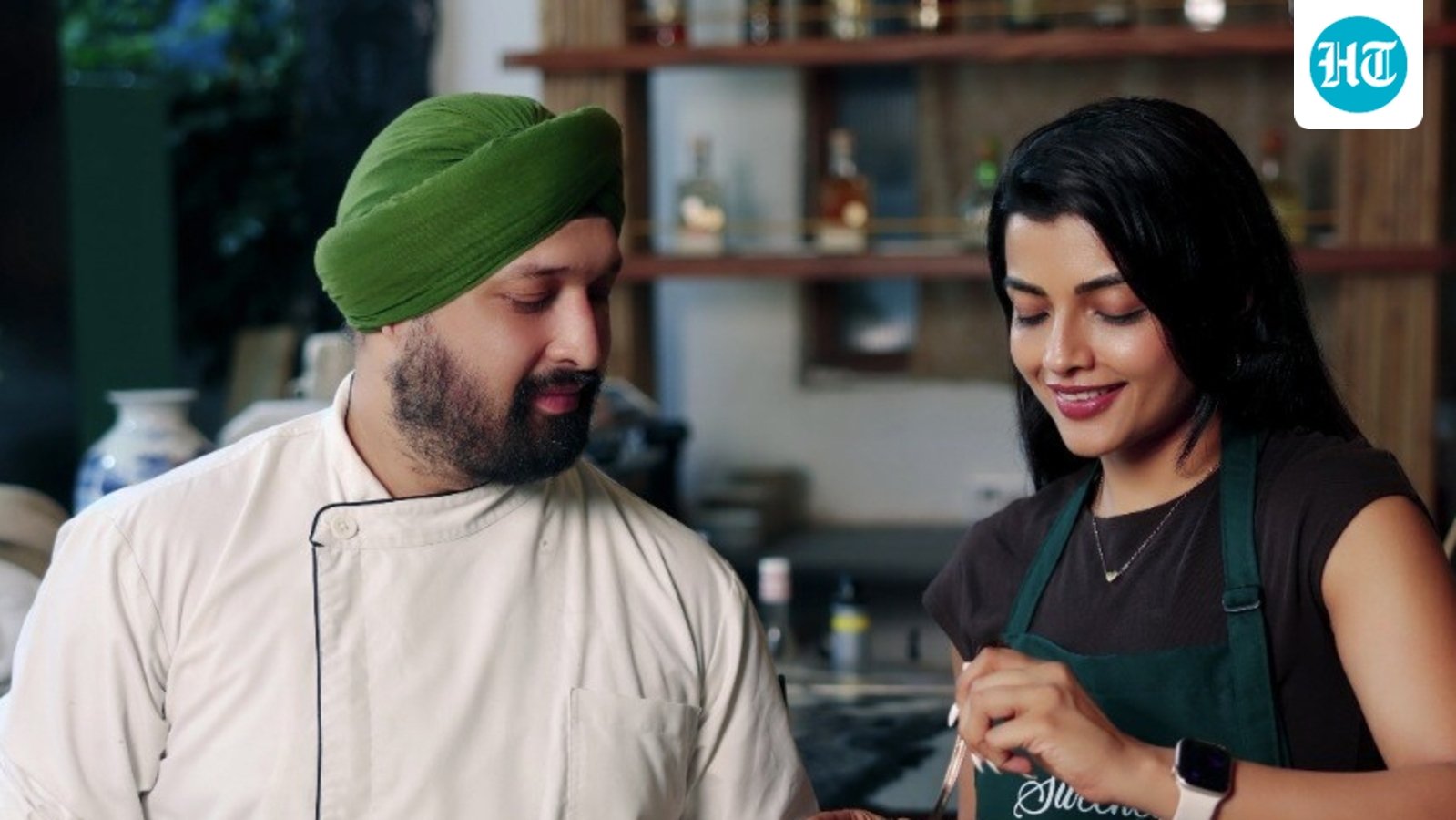
In Maharashtra, a growing number of restaurants are joining a new trend, turning their kitchens into customer-visible spaces. It allows diners to watch food being prepared, with some restaurants even letting customers be involved in the process, as concerns over hygiene and food safety rise following recent Food & Drug Administration (FDA) raids.
Experience the transparency
Mumbai’s Sweeney lets guests be part of the meal preparing process. Its founder Dhaval Udeshi says. “When guests can see the ingredients being handled and the food being prepared in front of them, there is a natural sense of confidence. Transparency doesn’t need to be communicated as a statement, it can simply be experienced.” Udeshi adds that they want to give their diners a much closer look into their dish’s journey. “It brings a little of the energy of a marketplace and a home kitchen into the restaurant. There is an element of theatre, but more importantly, it makes the food feel approachable and personal.”
Farm to table, by customers
Prashant Issar, managing director of Pune’s Eight Asian Restobar and Allora Milano! says they wanted to make the journey from ingredient to plate more tangible. He says, “At Allora Milano, guests can pluck fresh Basil, Oregano and Mint from our Hydroponic garden which symbolises the kitchen garden of an Italian family. More than transparency it is about welcoming guests into our home and opening our closets to them. That is the essence of hospitality.”
Entertainment with dining
Trust is built through visibility, insists Anisha Anand, founder of Aurum Foods. Hosting live kitchen experiences at several top restaurants in Mumbai, she says popularity of the concept has shot up recently. “Entertainment comes naturally from watching food being created, while ingredient selection gives guests a degree of control and personalisation. But ultimately, showing the ingredients and the process openly builds confidence. We want guests to feel that there is nothing hidden between the ingredient, the chef and their plate.”
Anand asserts that trust is built through visibility and a visible kitchen creates accountability. “When guests can see the quality of the produce, the hygiene practices and the preparation process, transparency becomes tangible rather than just something a restaurant promises. For us, food safety and hygiene are non-negotiable, but transparency allows the guest to experience that commitment for themselves. Our chefs act as guides. We create thoughtfully curated selections and combinations, while allowing guests enough flexibility to make the dish their own. The experience should feel like discovering something, not making a complicated decision,” she says.
Customers’ reactions-
Kumar Jhuremalani, founder of food group Pet Pujaris where foodies get together to visit restaurants, says, “Restaurants with open or see-through kitchens give a sense of trust. Members of the community now seem more confident talking about places with poor hygiene. Earlier, it felt like complaints would fall on deaf ears.”
