



Need extra funds for your next purchase?
Loan up to ₹5 Lakhs
Starting at 11% p.a.*
Off lately, we have been hearing terms like collagen, peptides, skin-barrier and what not. In fact, collagen has been a buzzing word in the beauty arena, all thanks to social media and reality shows that shows artists applying collagen-boosting masks. But have you wondered if they are actually worth the hype?
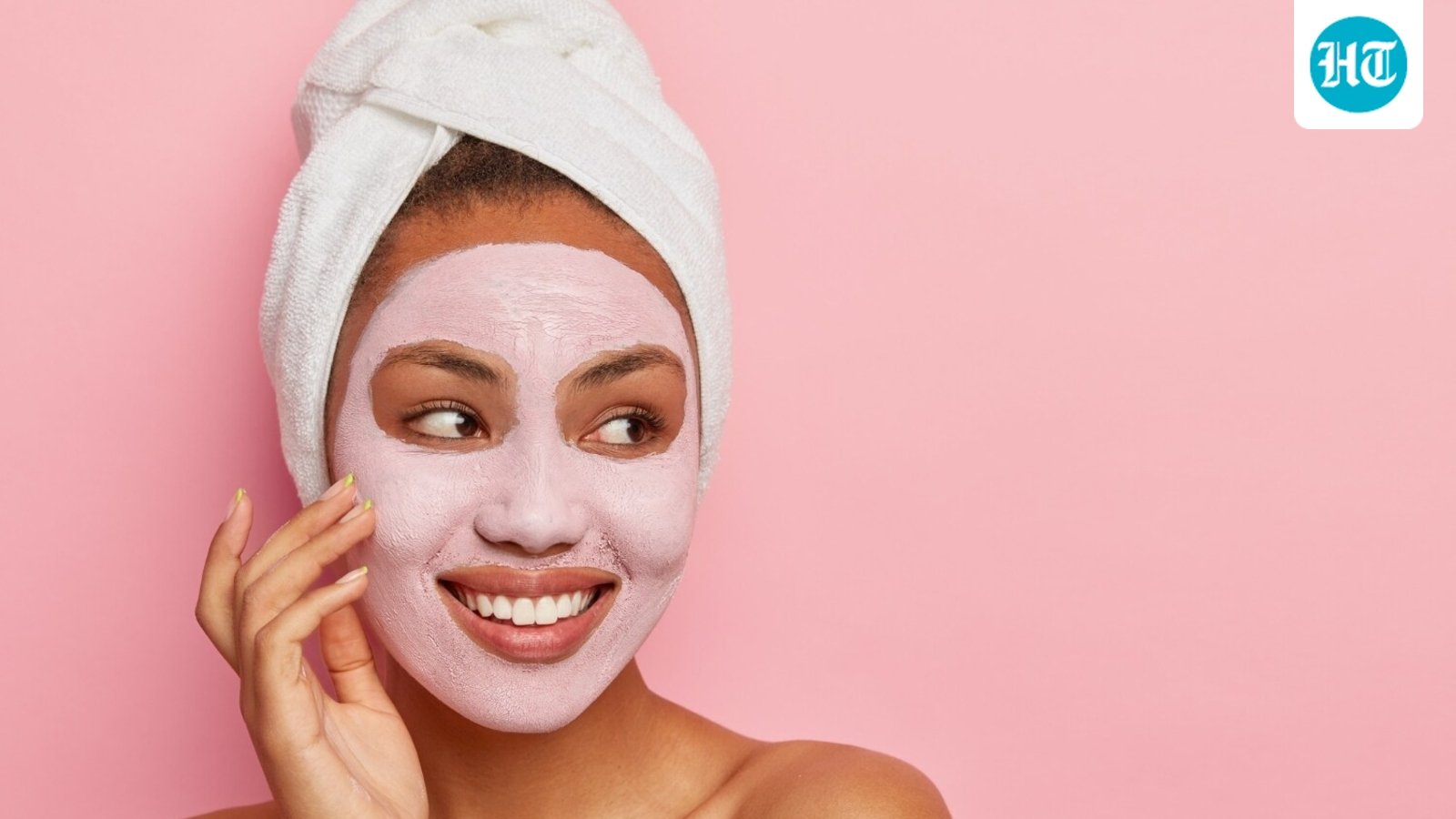
Collagen masks can make skin look better overnight
Dr Manisha Mareddy, MBBS, MD, Dermatologist, Founder, Shlok Dermatology and Wellness Clinic, tells HT Shop Now, “Collagen masks can make your skin look better overnight, but probably not for the reasons that are being marketed for. They have become a skincare sensation promising firmness, smooth skin, all of that happening when you’re sleeping”.
Dr Mareddy says that when you put collagen on your skin, it should help replenish what is being lost with age, but that is not how it works. “Collagen is actually a large protein and they are approximately 300 kDa in molecular weight. This makes it far too large to simply get into the skin barrier and reach the dermis, where you actually have your own collagen being produced,” she clarifies.
She further mentions that scientific studies have strongly proven that intact collagen has very limited skin penetration.
“So if a mask is promising that it will replenish your lost collagen by penetrating into your skin, it is not accurate, but collagen masks are not completely useless”, she asserts.
What can collagen masks actually do?
However, Dr Mareddy never doubts the skin benefits a face mask can actually provide. In the conversation, she also clarifies that masks can still provide excellent hydration, temporary plumping and skin barrier support.
Occlusion that happens when you use a face mask reduces water loss from skin and allows the moisturising ingredients to stay in contact with the skin longer. “It has been long proven that facial masks help improve moisturising and strengthen the skin barrier when appropriately formulated”, she says.
This actually explains why people feel like the masks work and skin looks amazing overnight. “So most of the immediate effect that you see after using an overnight mask is mainly from hydration rather than new collagen formation”, she says.
How does a face mask work?
According to Dr Mareddy, “When the outermost layer of the skin becomes more hydrated, it temporarily looks smoother and plumper. Fine lines can appear less prominent because of the hydration too. Mainly this effect is because water has changed the appearance of the skin”.
So, she briefly explains that an overnight mask is not completely useless, but it is absolutely not worth the hype.
What about collagen peptides?
Dr Mareddy also mentions that collagen peptides are quite different. “This is hydrolysed collagen where collagen is broken down into smaller peptides. So some smaller collagen-derived peptides can interact with skin differently than intact collagen. Lab studies have shown that they can penetrate the outer skin layers, but that does not mean it is replenishing your body’s collagen”.
Even though the science is promising for hydration and skin appearance, dramatic collagen rebuilding claims are mostly marketing hype at this point.
The main ingredients that actually work in these masks are things like glycerin, hyaluronic acid, ceramides and certain peptides that help in repair and restoring hydration.
Who can benefit from these masks?
So well-formulated masks can help if your skin is dry, dehydrated or your skin barrier is compromised. Peptides do have a role in anti-ageing, but the results heavily depend on the specific peptide, concentration and formulation as well.
Collagen masks are not anti-ageing treatments
The main takeaway is that topical collagen replacing the collagen you have lost is completely false. The idea that leaving collagen on your skin produces more collagen is also false. And this promise of an overnight mask replacing proven anti-ageing treatments is also completely wrong.
A mask is a skincare accessory, not a treatment. Occlusive masks can also cause breakouts in oily and acne-prone skin.
She finally concludes by saying that rather than chasing collagen masks for anti-ageing, choose them for hydration. If you’re really looking for anti-ageing, retinoids are substantially stronger and evidence-backed for improving photoageing than simply applying collagen on the surface.
