

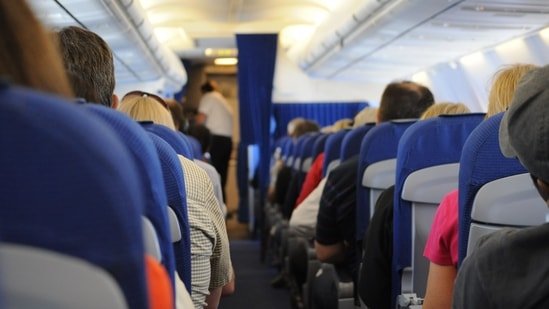
Having a one-sided pain in the calf after sitting through a long flight seems very common. However, despite what reflexes might have us do, it is better not to try to massage out the pain, according to Dr Kunal Sood, a Maryland-based physician in Anesthesiology and Interventional Pain Medicine. Taking to Instagram on July 4, he explained the reason behind the recommendation.
Also Read | Heart surgeon explains how alcohol affects the heart: Weakens cardiac muscles, increases blood pressure…
What one-sided calf pain after a long flight can signify
As per Dr Sood, “One-sided calf pain after a long flight is one of those symptoms you should think twice about before massaging. Most of the time, a sore calf after travelling is nothing serious. But after hours of sitting on a plane, one concern is a condition called deep vein thrombosis or DVT.”
He went on to explain the condition, stating that during prolonged periods of immobility, blood flow in the legs slows down. This can increase the chance of the formation of a blood clot, and the condition is known as DVT.
“The challenge is that a DVT can sometimes feel surprising. very similar to a muscle strain,” highlighted Dr Sood. The symptoms of the condition may include:
- One-sided calf pain
- Swelling
- Warmth
- Redness
- Visible veins
- Heavy aching sensation in one leg
Why should one not massage leg with DVT
If a person massages a leg with a blood clot in it, chances are the clot can break away and reach the lungs, creating a medical emergency.
In the words of Dr Sood, “The reason doctors worry about massage is that if a clot is present, there is concern that part of it could break loose and travel to the lungs. This is called a pulmonary embolism, and it can make it difficult for blood to pick up oxygen in the lungs.”
“It can become a medical emergency, which is why new calf pain and swelling after a long flight is usually something to get evaluated rather than trying to massage, stretch, or walk off,” he added.
How to prevent DVT?
The good news, according to the physician, is that the overall risk of developing DVT remains low for most travellers. And simple measures followed during long trips can help keep the blood flowing and lower it even further.
These measures include staying hydrated, moving the legs regularly, and walking periodically.
Note to readers: This article is for informational purposes only and not a substitute for professional medical advice. Always seek the advice of your doctor with any questions about a medical condition.
This report is based on user-generated content from social media. HT.com has not independently verified the claims and does not endorse them.
