

When an individual gets diagnosed with diabetes, they usually start worrying about their blood sugar levels and how that would affect their kidneys and heart. According to Dr C Jagadesh Reddy, eye surgeon and founder and managing director of Pristine Eye Hospitals, Hyderabad, not many people think about their eyes.
Also Read | Orthopaedic specialist warns against risks to senior citizens due to reduced mobility in winter
“Diabetes is a major cause of preventable vision loss,” Dr Reddy, who is also an ophthalmologist specialising in cornea, cataract and refractive surgery, shared with HT Lifestyle. He went on to explain the risk posed by the chronic disease to the eyes and the detection and treatment options available for the same.
How diabetes can affect the eyes
In the words of Dr Reddy, “High blood sugar can damage the tiny blood vessels in the retina, the light-sensitive tissue at the back of the eye. This condition is called diabetic retinopathy.”
“Diabetes can also cause swelling in the retina, popularly known as macular oedema, increase the risk of cataracts and make glaucoma more likely,” he added, warning that when left untreated, some of these conditions can lead to permanent vision loss.
One of the biggest dangers of diabetic eye disease is that it often develops without warning. Dr Reddy shared that one can have perfect vision and still have early retinal damage. By the time blurring or dark spots appear, the disease may have progressed.
Detecting diabetes-related eye disorders
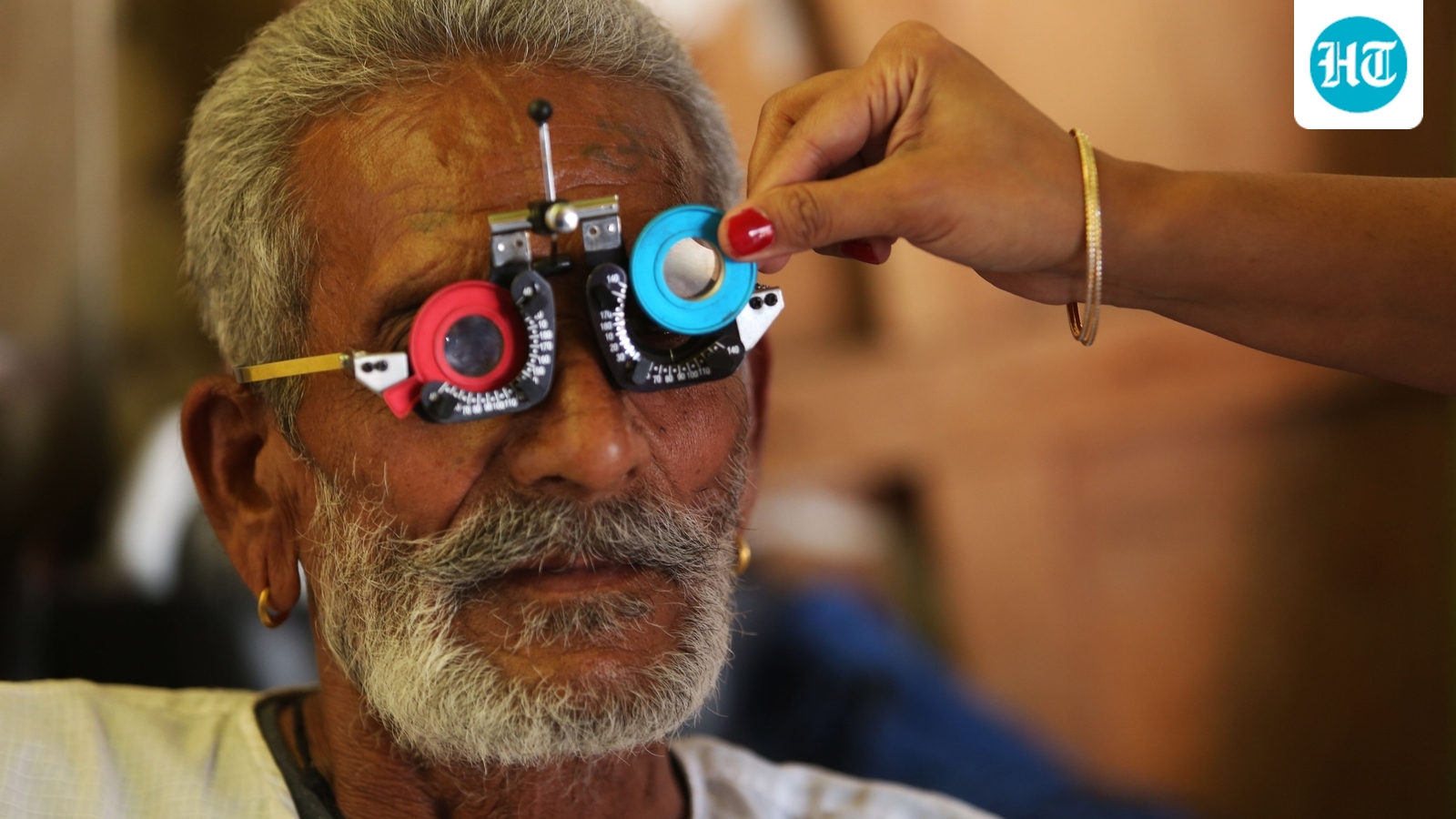
Dr Reddy advised people with diabetes to have a comprehensive eye examination, generally once a year, even if they have no complaints, though some people may need more frequent checks.
“Eye screening is becoming easier and more accessible with artificial intelligence,” noted the eye surgeon. “Today, specialised cameras can photograph the retina, and AI software can analyse these images for signs of diabetic retinopathy.”
He explained that this can help identify people who need further examination, sometimes before they notice any symptoms, but cautioned that it does not replace the need for a complete eye evaluation at regular intervals.
Treatment for diabetes-related eye disorder
The good news is that a diagnosis of diabetic retinopathy does not necessarily mean losing one’s eyesight. Dr Reddy shared that there are medicines that can be injected into the eye to reduce retinal swelling and abnormal blood vessel growth.
“Newer medicines may also allow longer intervals between injections for some patients. Laser treatment and retinal surgery remain useful in more advanced cases,” he stated. “With timely treatment, many patients can preserve their vision, and some may even regain vision they have lost.”
The surgeon did point out that reversing diabetes-related eye disorder depends on how early the disease is detected and how much damage has already occurred. Some vision loss caused by retinal swelling can improve with treatment. But damage to the retina may become permanent.
“Keeping blood sugar, blood pressure and cholesterol under control can reduce the risk of complications,” he advised.
Note to readers: This article is for informational purposes only and not a substitute for professional medical advice. Always seek the advice of your doctor with any questions about a medical condition.
