

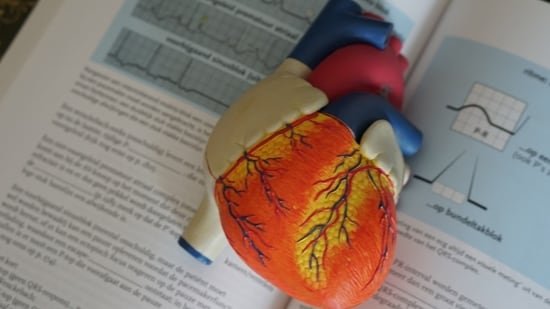
A heart attack is a serious health condition that involves the blood supply to the organ getting blocked or severely reduced. It is experienced by many people, particularly the elderly, and is common enough that people have an idea of what it might feel like.
However, the same idea prevents us from recognising the symptoms of a heart attack when they are uncommon. Taking to Instagram on May 29, Dr Kunal Sood, a Maryland-based physician in anesthesiology and interventional pain medicine, explained what these uncommon symptoms may feel like and why.
Why heart attack can feel like reflux
According to Dr Sood, “A lot of people think a heart attack has to feel like dramatic, crushing chest pain. But sometimes it feels more like reflux, pressure, or a tight band across the chest.”
The reason for this is that the heart and the oesophagus share overlapping nerve pathways, he noted. “So reduced blood flow from a blocked artery can sometimes be interpreted by the brain as indigestion, burning, or upper stomach discomfort instead of heart pain.”
As a result of the overlapping neural pathways, people can often miss serious cardiac symptoms, especially when they do not fit the stereotypes that people expect. The condition is more serious for women, whose symptoms are likely to be more subtle.
The cardiac symptoms experienced by women can include the following, according to Dr Sood:
- Chest tightness
- Nausea
- Shortness of breath
- Unusual fatigue
- Back pain
- Feeling that something is just not right.
“And unfortunately, those symptoms are sometimes dismissed as anxiety, stress, or reflux before the true cause is recognised,” shared the physician.
Unusual cardiac symptoms to be careful about
While some cardiac symptoms may seem unusual, this does not mean every case of gastric reflux signals an underlying serious condition, such as a blocked artery.
“Reflux is extremely common,” stated Dr Sood. “But symptoms that feel new, severe, pressure-like, occur with exertion, radiate, or simply do not behave like your usual reflux do deserve medical attention rather than being brushed off.”
“Sometimes the biggest warning sign is not dramatic pain. It’s realising something feels different from your normal baseline,” he added.
Note to readers: This article is for informational purposes only and not a substitute for professional medical advice. Always seek the advice of your doctor with any questions about a medical condition.
This report is based on user-generated content from social media. HT.com has not independently verified the claims and does not endorse them.
