

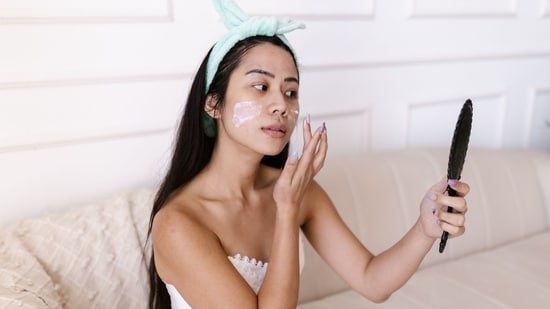
DIY skincare hacks have always had a soft corner in beauty routines, right from our grandmothers’ times. The appeal is also easy to understand; the ingredients are already sitting in the kitchen, they are inexpensive, and because they are ‘natural’, they are assumed to be automatically safe and good for the skin. These hacks can seem like harmless home remedies. But it is important to acknowledge that natural does not always mean safe.
DIY skincare hacks are also very popular on social media, with influencers showing how to make face packs to reduce acne marks and pigmentation. But it is critical to be cautious before following these trends. Dr Nirupama Parwanda, dermatologist and founder of Zolie Skin, told HT Lifestyle that one needs to be careful and avoid following DIY hacks blindly, as everyone has different skin types and skincare needs.
Dangers of homemade skincare products
The dermatologist expressed concern, insisting that the skin barrier gets damaged when you use homemade skincare products.
She elaborated, “Lemon juice, baking soda, toothpaste, and all undiluted essential oils can disrupt the skin’s pH balance, causing irritation, dryness, and redness, and increasing the sensitivity of the skin. This is a slow process and may result in a failure of the barrier function of the skin, making it more vulnerable to environmental stressors. One may also experience allergic responses or contact dermatitis.”
Similarly, Dr Parwanda also drew attention to ingredients like cinnamon, garlic, and plant extracts like neem extract or aloe vera, which also cause allergic reactions, even if they are natural. Such reactions may result in inflammation, itching, burning and rashes.
Side effects
Home remedies may either remain ineffective or cause major side effects. One concern that the doctor cautioned about is the post-inflammatory hyperpigmentation (PIH), which is a very common skin concern in Indian skin types.
Even otherwise, homemade skincare is not standardised. This applies to the concentration of ingredients, quality control and safety testing. “Poor hygiene and storage can lead to the proliferation of microorganisms, including bacteria, which can lead to infections and outbreaks. Lack of adequate diagnosis and treatment can also be caused by self-made skin care,” she added.
So this means, just because something is natural or easily available at home does not mean it is safe for your skin.
Note to readers: This article is for informational purposes only and not a substitute for professional medical advice. Always seek the advice of your doctor with any questions about a medical condition.
