

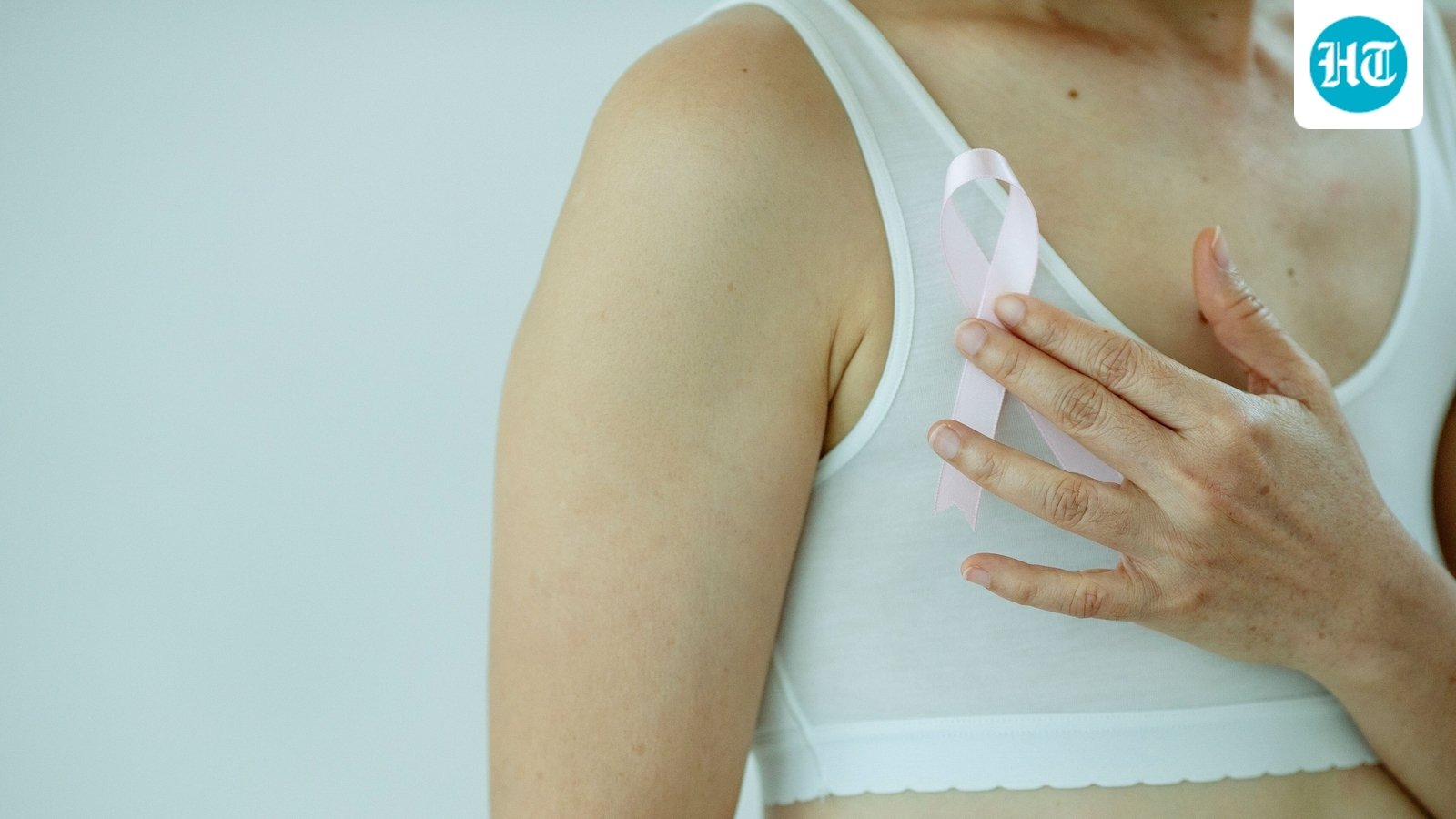
Breast cancer has many risk factors, from age to genetics. While some cannot be controlled, others can be managed through conscious lifestyle choices. Everyday habits are often discussed in health discourses because they can play a major role in preventing and managing several conditions. The same holds true for breast cancer, with dietary habits emerging as one of the controllable risk factors.
So, how can dietary choices help reduce the risk of breast cancer? Dr Rajinder Kaur Saggu, senior director of surgical oncology (breast) at Max Hospital, Vaishali, told HT Lifestyle that diet can influence several factors associated with breast cancer risk.
Elaborating more on this, she said, “Everyday dietary choices can influence long-term cancer risk by affecting body weight, hormone levels, inflammation and metabolic health. While genetics and age remain important risk factors for breast cancer, adopting a balanced diet alongside regular exercise, limiting alcohol and maintaining a healthy weight can contribute to better breast health.”
So, while diet alone cannot guarantee a reduction in breast cancer risk, proper nutrition can help manage inflammation, maintain a healthy weight and support metabolic health, all of which may result in lowered risk in the long term. The expert highlighted the philosophy of ‘you are what you eat.’
What do you need to eat to reduce breast cancer risk?
The oncologist revealed what you need to add to your diet:
1. Fibre-rich foods
- Lean proteins such as pulses, beans, fish and skinless poultry provide essential nutrients without excessive saturated fat.
- Plant-based proteins also offer fibre and beneficial micronutrients.
What should you avoid?
The doctor strongly cautioned against alcohol, calling it one of the ‘highest risk factors linked to breast cancer’. “Alcohol can increase oestrogen circulation levels and damage DNA3,” she said. The expert also ruled out sugary drinks and highly processed foods as they can lead to weight gain, which is already an established risk factor, particularly after menopause.
How else can you prevent, besides diet?
Prevention extends beyond diet, and according to the oncologist, healthy eating is only one part of a broader strategy. The expert noted that prevention also includes “regular self-breast examination, medical screening, staying physically active and awareness of family history.”
It is crucial to highlight that early detection is one of the most effective ways to improve outcomes, as breast cancers diagnosed at an early stage generally have more treatment options and better chances of successful treatment.
More about the expert
Dr Rajinder Kaur Saggu has over 25 years of experience in managing benign and malignant breast diseases. Her areas of expertise include conventional breast-conserving surgery, oncoplastic breast-conserving surgery across Levels I and II and selected Level III cases, sentinel lymph node biopsy using the dual-tracer technique, chemoport insertion, and the early diagnosis and screening of breast cancer.
Note to readers: This article is for informational purposes only and not a substitute for professional medical advice. Always seek the advice of your doctor with any questions about a medical condition.
