

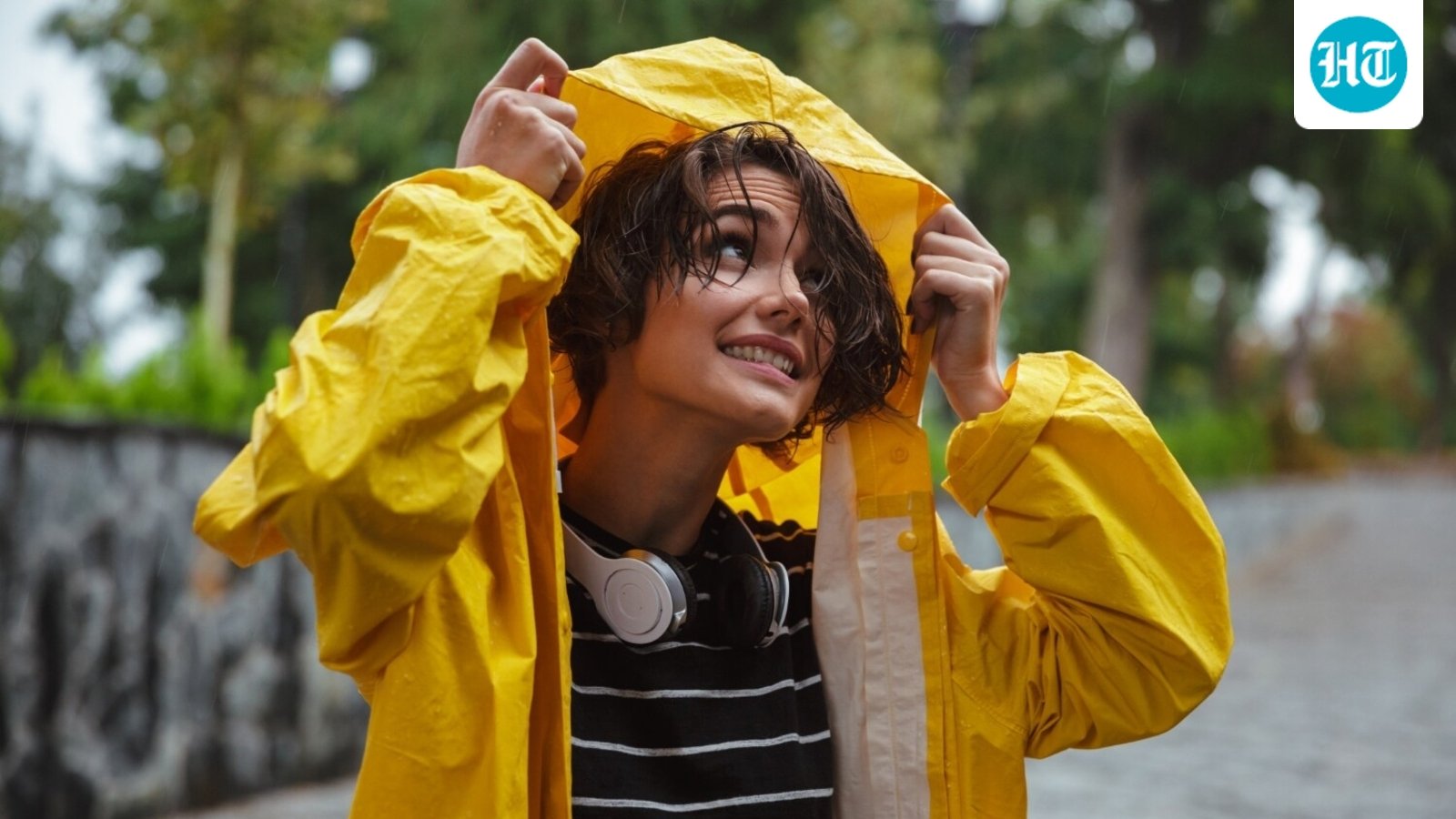
A raincoat protects you from getting soaked to the bone. While an umbrella may shield you from the rain, it’s not always enough, especially when strong winds send raindrops sideways. In such situations, a raincoat provides complete protection. But sometimes people don’t carry their own raincoats; they borrow from others. As convenient borrowing may be, is it safe to wear a raincoat that has been used by someone else?
Dr Rituja Ugalmugle, consultant in internal medicine at Wockhardt Hospital, Mumbai Central, advised commuters to tread with caution: “When suddenly caught up in a heavy rainstorm, lots of riders opt for raincoats available at shared bike-taxis, delivery outlets, workplaces, or even vendors who have them. One should be wary of infection if they do this.”
Can shared raincoats cause infection?
What makes a shared raincoat prone to contamination? The main risk does not come from sharing the raincoat alone. The doctor weighed in to clarify that moisture is the main problem: “If raincoats stay damp for too long and are used without proper drying or cleaning, germs could settle in them.” The physician, however, reassured that the chances of affecting a healthy person are low.
Where do bacteria grow? They may accumulate in the inner lining of a raincoat. How? Dr Ugalmugle elaborated on why this can be harmful: “The inner linings of raincoats trap sweat, moisture, and oils, creating a good breeding ground for harmful fungi and bacteria. As more people wear the same raincoat throughout the day without proper drying, the risk of contamination increases.”
What kind of infections are you at risk of?
Wearing a damp, unclean shared raincoat may primarily affect the skin. The physician described the kind of infections and symptoms one may be at risk of: “Shared raincoats can sometimes lead to fungal skin infections or rashes. However, those with sensitive skin might experience allergic reactions, itching, or irritation. Individuals with sensitive skin might also see worsening eczema symptoms.”
Who should avoid sharing raincoats?
Although the risk may be low for a healthy person, shared raincoats are not safe for everyone. Which groups are vulnerable and more susceptible to infections?
The doctor identified the groups that need to maintain greater precautions: “People with minor cuts, diabetes, or weakened immune systems should be particularly cautious. If their skin barrier is damaged, they may be at a higher risk for serious skin problems.”
She also mentioned that those with allergies or chronic skin issues should be careful.
How to prevent infection from raincoats?
Prevention is essential to keep monsoon infections at bay. For this, you have to follow a few precautionary measures. The doctor listed these:
- Avoid wearing a shared raincoat directly over bare skin.
- Wear a full-sleeved shirt underneath to create a barrier between your skin and the raincoat.
- Change out of wet clothes as soon as possible after reaching your destination.
- Dry your body thoroughly before changing.
- Wash and completely dry any wet clothes before wearing them again.
- Choose clean, fully dried raincoats whenever possible.
When should you see a doctor?
Watch out for any unusual skin reactions after using a shared raincoat. Dr Ugalmugle also urged people to avoid self-treatment if their skin symptoms persist. This means avoiding over-the-counter medicines and not attempting to diagnose the condition yourself.
When should you see a doctor? She advised, “If you notice persistent redness, itching, or rashes that resemble circles, or if symptoms linger despite time passing, see a doctor.”
This means watch out for any unusual skin reactions after using a shared raincoat. Dr Ugalmugle also urged people to avoid self-treatment if skin symptoms continue. So, avoid over-the-counter medicines and don’t attempt to diagnose the condition yourself!
Note to readers: This article is for informational purposes only and not a substitute for professional medical advice. Always seek the advice of your doctor with any questions about a medical condition.
