

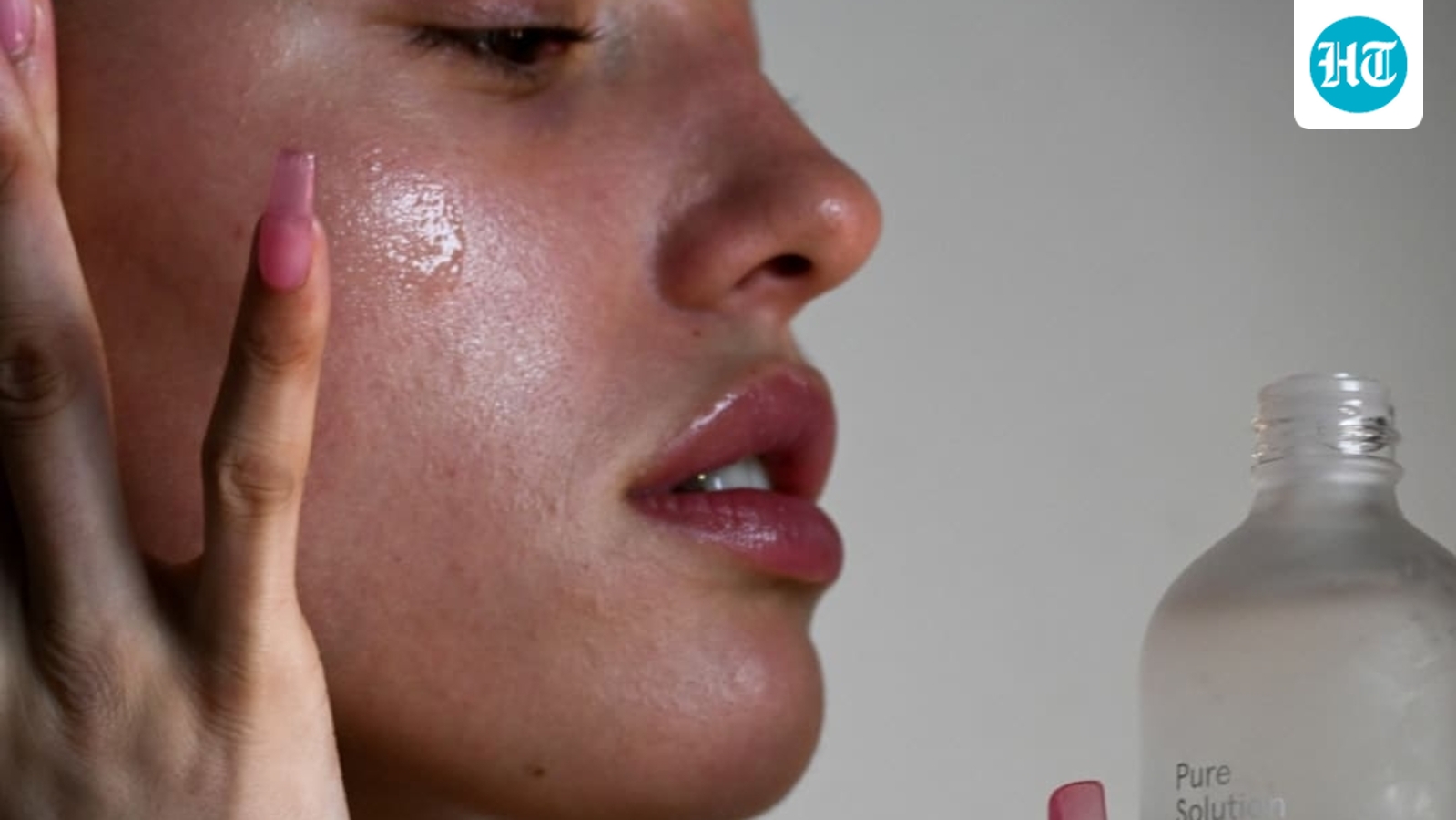
Come winter, your moisturiser suddenly feels insufficient. You constantly need to lather up with a heavy cream, with some people depending on Vaseline for that extra layer of nourishment. Even your lips need frequent balm, and your skin feels tight after washing—even though the woollens are still packed away. This is a problem many of us have during the colder weather.
In an interaction with HT Lifestyle, Dr Gitika Sanodia Biyani, consultant dermatologist and trichologist at Dr LH Hiranandani Hospital, explained that winter dryness can arrive before winter. According to her, yes, as our skin responds to its surroundings, not a date on the calendar.
She explained, “As humidity falls during the seasonal transition, the outermost layer of skin can struggle to retain moisture. This protective barrier contains skin cells surrounded by lipids, including ceramides. When it becomes disrupted, water escapes more easily, leaving skin rough, flaky or itchy. Air conditioning, frequent washing, and hot showers can exacerbate the problem, even when outdoor temperatures remain relatively warm.”
The quieter warning signs
According to Dr Gitika, dryness does not always begin with visible peeling. Some of the early clues, according to her, are:
- tightness after cleansing
- roughness around the mouth
- chapped lips
- an increased need to moisturise
- Products that previously felt comfortable may start to sting
These changes deserve attention, particularly in people with eczema, sensitive skin, or naturally dry skin.
Simplify your routine first
Pre-season preparation does not require an elaborate new skincare shelf, according to Dr Gitika. She recommends:
- Start with a gentle, fragrance-free cleanser and avoid washing until your skin feels ‘squeaky clean’.
- Keep showers short, around five to ten minutes, and use lukewarm rather than hot water.
- Apply moisturiser immediately afterwards, while skin is still slightly damp.
- If your usual lotion no longer keeps your skin comfortable, consider a cream.
- Glycerin and hyaluronic acid attract moisture, ceramides help replenish barrier lipids, and ingredients such as petrolatum reduce moisture loss.
“Match the texture to your skin. Someone with dry skin may benefit from a richer cream, while someone prone to acne may prefer a lighter, non-comedogenic formulation. There is no need for everyone to switch to the heaviest product available,” she advised.
No scrubbing away the flakes
Flaking is often a signal to moisturise, not exfoliate harder, Dr Gitika stressed. “Scrubs, frequent acid exfoliation, and multiple irritating products can worsen an already uncomfortable barrier. If prescribed acne or anti-ageing treatments cause irritation, discuss adjustments with your dermatologist.”
Additionally, “Remember the areas that are easily neglected: hands, lips, heels and elbows. Reapply hand cream after washing, use a plain lip balm, and continue broad-spectrum sunscreen with SPF 30 or higher.”
Lastly, she advised drinking enough water as it supports overall health, before cautioning that, “extra glasses cannot replace moisturiser or gentle skincare. Persistent itching, painful cracks, bleeding or a rash warrants medical assessment.”
“The best time to adapt your routine is when your skin first starts feeling different. Small, consistent changes before peak winter can help prevent dryness from becoming a more uncomfortable problem,” Dr Gitika added as her parting advice.
Note to readers: This article is for informational purposes only and not a substitute for professional medical advice. Always seek the advice of your doctor with any questions about a medical condition.
