

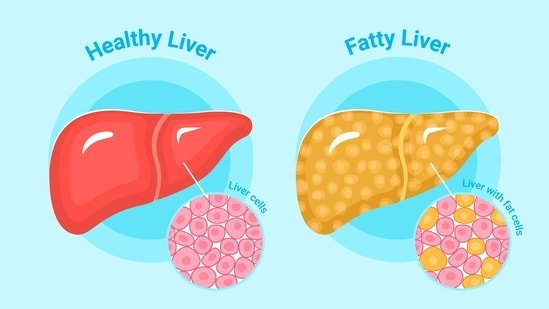
By 2050, metabolic liver disease is expected to affect 1.8 billion people worldwide, an increase linked to rising obesity and high blood sugar levels. A major health study, the Global Burden of Diseases, Injuries, and Risk Factors Study (GBD), shared its findings in the journal Lancet Gastroenterology & Hepatology. Fatty liver disease can lead to serious health issues, such as cancer or the need for a liver transplant. Non-alcoholic fatty liver disease (NAFLD) is becoming a major cause of chronic liver problems in India, affecting between 9% and 32% of people. It is now one of the most common and fastest-growing liver diseases in the world. According to the Press Information Bureau (PIB), one in three Indians has fatty liver, which can lead to type 2 diabetes and other metabolic disorders. In the midst of this, there is a growing interest in supplements for liver health.
Which supplement is good for liver repair?
In India, many brands offer over-the-counter (OTC) supplements that help support the reversal of fatty liver. These supplements usually contain a blend of vitamins, minerals, and herbal ingredients to support liver health. Brands such as Himalaya, LiverCare, and Patanjali have created products that claim to enhance liver function and decrease fat buildup in the liver.
Which supplements reverse fatty liver?
Supplements cannot solely “reverse” fatty liver. However, some research-supported supplements may help reduce liver inflammation, improve liver enzyme levels, and decrease fat buildup. Some vitamins and nutrients, such as Omega-3 fatty acids, Vitamin E, and Berberine, may help reduce liver inflammation and fat buildup.
“Supplements alone cannot ‘cure’ fatty liver, but they can help you recover. The best way to reverse fatty liver is to lose 5-10% of your body weight. You can do this by making lifestyle changes, such as following a Mediterranean-style diet that emphasises vegetables, healthy fats, and limited sugar. Aim for at least 150 minutes of aerobic exercise each week,” Dr Deepak Lahoti, Hepatologist at Max Super Speciality Hospital in Patparganj, Delhi, tells Health Shots.
What is the best supplement to reduce fatty liver?
To help reduce fatty liver, some supplements might be useful. However, it’s important to talk to a healthcare professional before starting any new supplements.
Hepatologist and Liver Transplant Surgeon Dr Ameet Mandot shares three commonly recommended supplements, saying, “Taking three supplements in the right order can help you improve your fatty liver.“
1. Choline
Choline is a nutrient that supports many functions, especially liver function, brain development, muscle movement, and metabolism. Although it is not considered a vitamin, it is often discussed alongside them because it is essential for health. “Indians do not get enough choline in their diets, so it is important to take 500-1000 mg each day. Choline helps remove VLDL, the bad cholesterol, from your liver. If choline levels are low, programs to reverse fatty liver may not work well,” the doctor explained.
2. Omega-3
Omega-3 supplements provide omega-3 fatty acids, which are important fats your body cannot make by itself. These fatty acids are essential for many body functions, such as maintaining heart health, supporting brain function, and reducing inflammation. You should take a supplement that combines EPA and DHA, with a daily dose of 1000-2000 mg. “Make sure to check the label to confirm it has both ingredients, as this can help prevent fat from building up in the liver,” the doctor advised.
3. Milk thistle
Milk thistle is a herbal supplement made from the seeds of the milk thistle plant (Silybum marianum). People have used it for centuries, especially in traditional medicine, mainly for its possible benefits in protecting the liver. Milk thistle contains an active ingredient called silymarin, which comes from the plant’s seeds. Silymarin is thought to have antioxidant benefits. “You can find milk thistle in capsule, tablet, and liquid extract forms. You should take 300-600 mg every day. This will help balance liver enzymes, reduce liver inflammation, and lower liver toxicity,” added the doctor.
“You can take these supplements at different times in the morning, evening, and at night after each meal. Use them for 2-3 months. Before you start and when you finish, check your liver function test. Also, remember that supplements can’t replace a good diet, exercise, healthy lifestyle, sleep, and gut care,” the physician says.
Which vegetables are best to reverse fatty liver?
To reverse fatty liver, eat non-starchy vegetables that are high in fibre. These vegetables can help reduce inflammation and liver fat buildup. Important choices include leafy greens, cruciferous vegetables and root vegetables. Eating these daily can help detoxify your body and lower liver fat. It’s important to use them in the right order and in the right amounts.
Dr Naveen Ganjoo, a Senior Consultant in Hepatology and Liver Transplant at SPARSH Hospital, Bengaluru, recommends:
1. Bottle gourd
Bottle gourd (lauki) juice is considered a helpful home remedy for managing and reversing fatty liver. It is low in calories, high in fibre, and rich in antioxidants. These qualities help reduce liver fat, lower inflammation, and improve insulin resistance.“Eating 150-200 grams of bottle gourd each day, if possible, 5-6 days a week, helps keep insulin levels from rising too much, which is a major cause of fat build-up in the liver”, recommends Dr Ganjoo.
2. Cruciferous vegetables
Eating cruciferous vegetables like broccoli, Brussels sprouts, cabbage, and kale can help improve fatty liver by reducing fat buildup and inflammation. These vegetables contain beneficial compounds, such as indole and sulforaphane, that support liver health and aid detoxification. “Eating 100-150 grams, 4-5 times a week, in a well-cooked way, this helps activate liver detox enzymes and reduce liver inflammation”, recommends the doctor.
3. Beetroot
Beetroot juice can help manage fatty liver, especially Non-Alcoholic Fatty Liver Disease (NAFLD). It has antioxidants, betalains, and nitrates that can reduce fat buildup, improve insulin sensitivity, and lower inflammation. “Using it like medicine, in small amounts of 50-75 grams, 2-3 times a week”, recommends the doctor.
(Disclaimer: This article is for informational purposes only and not a substitute for professional medical advice. Always seek your doctor’s advice for any questions about a medical condition. At Hindustan Times, we help you stay up-to-date with the latest trends and products. Hindustan Times has an affiliate partnership, so we may get a part of the revenue when you make a purchase. We shall not be liable for any claim under applicable laws, including but not limited to the Consumer Protection Act, 2019, concerning the products. The products listed in this article are in no particular order of priority.)
