

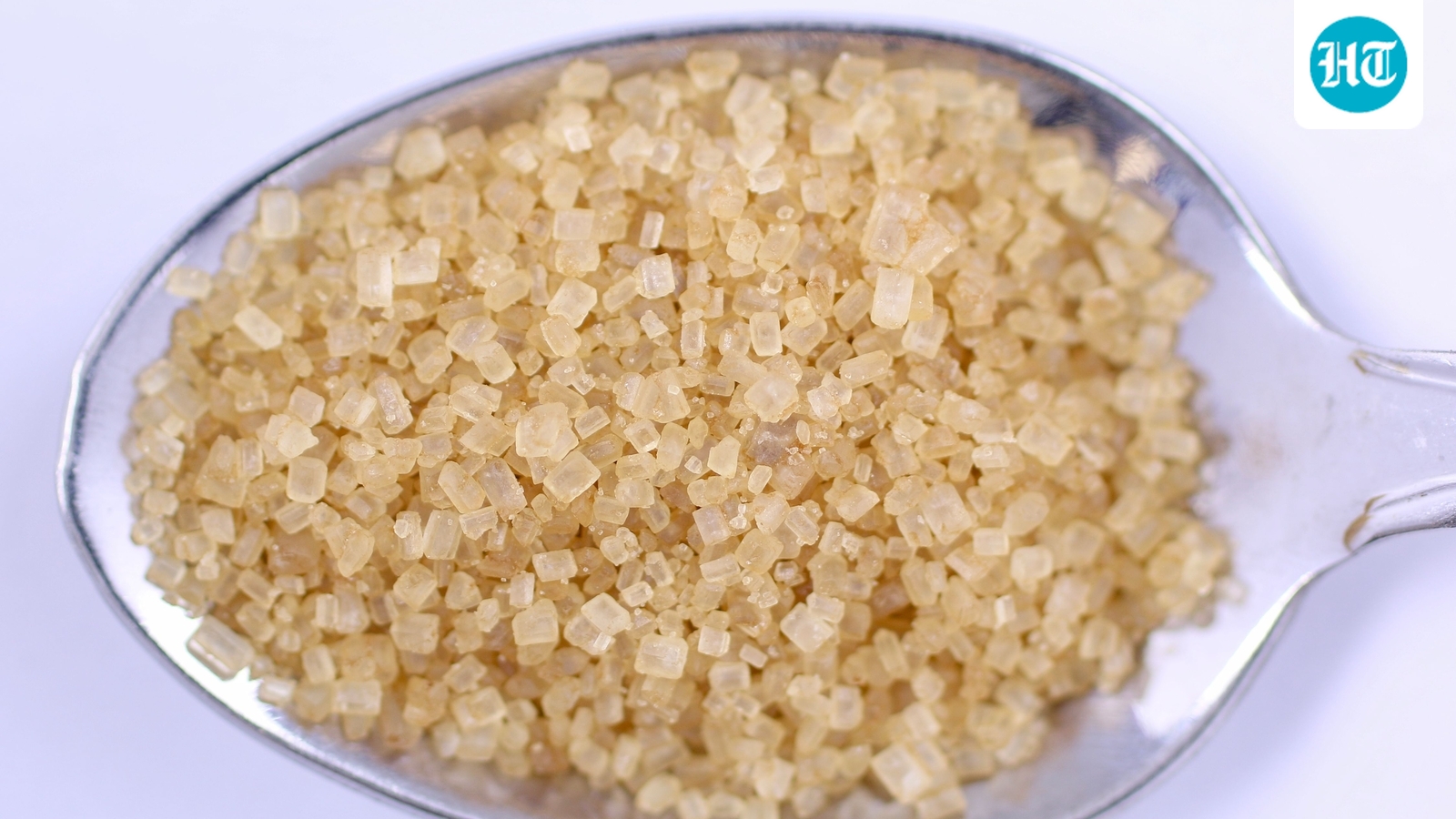
Replacing white sugar with brown sugar in your morning chai may seem like a healthy upgrade. But while the colour and flavour change, the nutritional difference is surprisingly small. In an interview with HT Lifestyle, Nupur Gulati, a certified nutrition coach, entrepreneur and fitness enthusiast, explained the difference between brown and white sugar.
Also read | From cavities to tooth decay: Here’s what happens when you eat sweets late at night and go straight to bed
Brown sugar vs white sugar
According to Nupur, both brown and white sugar are primarily made up of sucrose, the scientific name for table sugar, which breaks down into glucose and fructose during digestion. The main difference is that brown sugar contains molasses, a dark syrup that gives it its characteristic colour and caramel flavour.
“While molasses adds small amounts of minerals such as calcium and iron, the quantity is too little in a typical serving to offer any meaningful health benefit,” highlighted Nupur.
Brown sugar provides almost the same calories as white sugar, with too few minerals to make a significant nutritional difference. Yet, its ‘healthier’ image can sometimes give us a mental free pass to use more, which can gradually increase our overall sugar intake.
Another common belief is that brown sugar raises blood sugar levels less than white sugar. To understand this, let’s look at a term that has also been doing the rounds on social media: Glycaemic Index (GI).
“The glycaemic index tells us how quickly a food raises blood sugar levels. White sugar has a moderate GI of around 65, and brown sugar has a similar GI because their compositions are almost identical. Its darker colour does not make it a better choice,” said Nupur.
Ultimately, the amount of sugar you consume, whether brown or white, matters far more than its colour.
Alternatives to sugar
While we are talking about brown sugar, it is also worth looking at other sugar alternatives often considered healthier, such as jaggery, pure honey, coconut sugar and agave. Nupur highlighted that these are frequently promoted as better alternatives to regular sugar. Although they may contain small amounts of minerals or beneficial plant compounds, they still contribute to your overall sugar intake.
The tested GI values of honey and coconut sugar are generally in the range of 54–58, compared with approximately 65 for table sugar. Agave, on the other hand, contains more fructose, which can result in a smaller immediate rise in blood sugar. However, this does not automatically make agave or the other alternatives healthier choices. Just because something is natural does not mean we can consume more of it.
According to Nupur, even if you add only two or three teaspoons of sugar to your daily chai or coffee, the sugar coming from packaged foods, sweets and sauces also counts towards your daily intake. Consistently consuming too much sugar can add excess calories, contribute to weight and fat gain, and increase the risk of fatty liver and type 2 diabetes. Replacing white sugar with brown sugar does little to change this.
Note to readers: This article is for informational purposes only and not a substitute for professional medical advice. It is based on user-generated content from social media. HT.com has not independently verified the claims and does not endorse them.
