

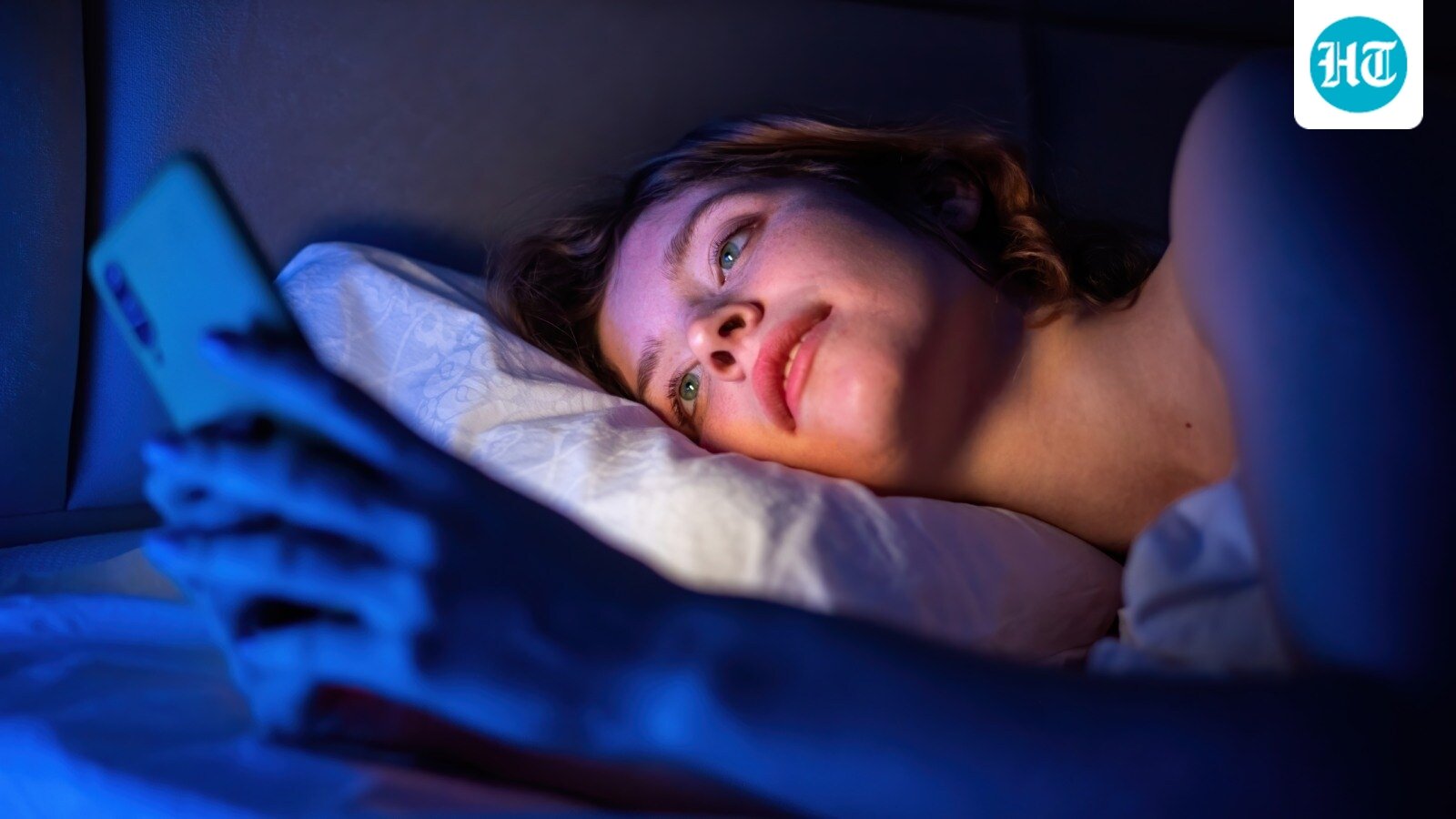
India appears to be dealing with a sleep paradox: the more we invest in getting better rest, the harder a good night’s sleep seems to become. Beyond mattresses and bedding, the growing sleep economy now includes noise-cancelling earplugs, white-noise machines, weighted blankets, sleep-tracking wearables, AI-powered apps and mattresses fitted with cooling technology. But are any of these actually helping us sleep better?
Dr Manvir Bhatia, senior neurologist and sleep specialist, calls the situation ironic. “There are devices, candles, special mattresses, sleep apnea products and more, but an increasing number of people are coming to us with complaints of lack of sleep. They are losing sleep over sleep,” she says.
External factors are making matters worse. A recent Climate Central report notes that higher night-time temperatures are causing people in some Indian cities to lose between 66 and 93 hours of sleep annually. Research published in Scientific Reports has also pointed to how work stress can affect the sleep patterns of middle-aged workers, including those with no history of sleep disorders. Doctors say stress, irregular routines and underlying metabolic and health conditions remain among the bigger barriers to restful sleep.
They are also seeing concerns around orthosomnia, or an excessive preoccupation with achieving “perfect” sleep, often fuelled by data from sleep trackers and wearables. Sleep apnea, in which breathing repeatedly stops and starts during sleep, meanwhile requires medical attention rather than a consumer quick fix.
Can you buy better sleep?
When sleep is being disrupted by urban noise, humidity, work stress or an underlying disorder, even a sophisticated mattress or smart ring can only do so much.
“An attractive and supportive mattress as well as a sophisticated and well-informed wearable can help you sleep better and track what kind of sleep you are getting. Still, these gadgets have their limitations since they cannot be a solution to significant sleep disturbances caused by, for example, the chronic and prolonged effect of stress, the presence of excessive noise, sleep disorders, and neglect of health care,” says Dr Harish Chafle, senior consultant chest physician, bronchoscopist, intensivist and sleep disorders specialist, Gleneagles Hospitals, Parel, Mumbai.
He adds, “The sleep industry frequently advertises products with promises of instant solutions, while the human body needs steady habits and a healthy lifestyle to sleep well and deeply.”
What’s driving the sleep economy?
The money being spent on sleep is significant. According to the International Market Analysis Research and Consulting Group (IMARC Group), India’s sleep aid products market reached $337.7 million, approximately ₹3,215 crore, in 2025. It is projected to touch $736.7 million, or around ₹7,014 crore, by 2034, growing at a CAGR of 8.78% between 2026 and 2034.
Smartwatches, dedicated trackers and specialised apps have made monitoring sleep easier than ever. Sleep tourism and wellness-led hospitality are also gaining ground, while some consumers are turning to over-the-counter melatonin products and supplements in the hope of improving rest.
Why is it still not enough?
“Sleep trackers do enable individuals to gain some insight into their sleeping pattern, albeit indirectly. But these trackers can’t tackle the main reasons that people can’t fall asleep,” says Dr Chafle. Stress and anxiety, irregular working hours, excessive device use, caffeine and untreated health conditions, he says, are among the common causes.
Constantly chasing an ideal score can itself become counterproductive. “Sometimes, one’s desire to get a high score in their sleep tracking device can cause undue worry, even more so at the time of getting ready for rest. Technology can play the role of a compass, not an instrument that replaces the natural ways of obtaining good sleep and medical recommendations,” he adds.
The sleepmaxxing trend
In a country where people would wear ‘sleeping less’ sometimes as a badge of honour, the trend also seems to be flipping towards sleepmaxxing, an online trend focused on using lifestyle habits, gadgets, and diet hacks to maximise the quality and quantity of sleep.
Trideep Choudhury, Consultant Psychiatrist, ADAYU Fortis, says, “Sleep is a very important marker for both, a physically and mentally healthy life. Sleep helps us to repair ourselves on a cellular level. Every part of the body needs it as it helps to maintain muscle mass, blood pressure, blood glucose levels and stress hormones. Earlier, the cultural and social narrative was such that sleep time was compared with laziness, because we tend to measure productivity by quantity of hours we put at work rather than creativity, problem-solving abilities and happiness. But that seems to be changing.”
Back to sleep basics
A tracker can tell you how you slept, but it cannot necessarily make you sleep better. Experts recommend:
- Maintain consistent sleeping and waking hours
- Stay physically active
- Manage stress
- Reduce screen exposure, particularly before bedtime
- Seek medical advice for persistent sleep problems
