

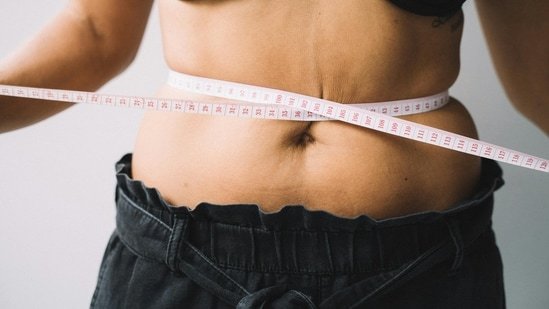
In the high-stakes countdown to Indian weddings, a dangerous trend is quietly sweeping through bridal boutiques and wellness clinics: the rise of ‘Mounjaro brides‘. Desperate to fit into heavy designer lehengas and look flawless for the camera, a growing number of soon-to-be brides — and grooms — are turning to heavy-duty prescription diabetes injections to rapidly shed pounds. Also read | Doctors warn ‘Mounjaro brides’ against taking risky shortcuts amid rise of pre-wedding weight loss injections in India
While clinics are capitalising on this obsession by packaging these high-end injections with pre-wedding diets and skin treatments, medical experts are sounding a sharp alarm over severe health risks and widespread misuse. Dr Anshuman Kaushal, director of robotic GI, minimal access and bariatric surgery at CK Birla Hospital, Gurugram, warned that the sudden obsession with these medications is blurring the line between medical necessity and cosmetic shortcuts.
The rise of GLP-1 medications in India
The buzz surrounding these drugs has been heavily amplified by global social media and high-profile celebrity transformations – in an interview with HT Lifestyle, Dr Kaushal noted that what began as a critical tool for metabolic health has rapidly entered mainstream Indian culture.
“Weight loss medication like GLP-1 has quickly become common in discussions regarding celebrity transformations and wellness trends on social media. Originally created as an aid to manage type 2 diabetes, medicines like semaglutide and Tirzepatide have been increasingly prescribed globally for weight management purposes,” Dr Kaushal explained.
The sheer volume of metabolic disorders in the country has made India a prime market for this pharmaceutical boom. “The rise of obesity awareness and metabolic disorder cases in India has led to curiosity about GLP-1 medications in India,” Dr Kaushal said. However, he added that the rapid adoption came with a critical caveat: “As the use of GLP-1 medications becomes more widespread in the world, an essential question is being raised. Is this medication being utilised correctly?”
How weight loss drugs work and who they are actually for
GLP-1 (Glucagon-like peptide-1) receptor agonists are highly sophisticated drugs that mirror biological hormones. According to Dr Kaushal, “GLP-1 Receptor Agonist stimulates a naturally produced hormone that controls blood sugar levels, slows digestion, and induces fullness.”
When utilised under strict clinical oversight, the drug yielded remarkable outcomes, he added: “The medication leads to significant weight reduction when complemented with lifestyle changes.” Dr Kaushal pointed out that it is designed specifically as an aggressive medical intervention for patients facing severe, chronic health complications: “GLP-1 medication is an effective medical treatment when recommended to a person who is obese, diabetic, hypertensive, has fatty liver diseases, or even suffers from sleep apnea syndrome.” Also read | Aishwarya Mohanraj’s 22 kg weight loss: Gastrointestinal surgeon explains who can really take Mounjaro
The danger of the ‘quick fix’ mentality
The primary hazard in India today is that individuals with no underlying medical need are treating these injections like a magic wand, the surgeon warned. Driven by strict societal timelines and wedding photography pressures, many are sourcing the medication through unregulated channels or superficial wellness programs.
“The danger lies in the fact that many people believe that this drug will serve as a quick and easy solution to their problems,” warned Dr Kaushal, adding, “There have been many instances of people using GLP-1 medication without undergoing medical consultation, often due to online wellness trends or personal experiences.”
This unmonitored usage leaves patients highly vulnerable to a spectrum of physical complications. Dr Kaushal highlighted several side effects that users frequently underestimate:
⦿ Common gastrointestinal distress: “Some of the adverse reactions include nausea, vomiting, diarrhoea, constipation, and stomach pain.”
⦿ Severe systemic risks: “Although these symptoms might not last long, some people may experience other severe adverse reactions. People with certain conditions will need to carefully evaluate their condition before considering GLP-1 treatment.”
⦿ The necessity of oversight: “Consistent consultations with a physician play a crucial role in tracking their improvement and adjusting the doses according to their needs.”
No shortcuts to long-term health
Perhaps the harshest reality of the ‘Mounjaro bride’ phenomenon is that the weight loss is entirely temporary if it is not paired with structural life changes. The moment the wedding is over and the injections stop, the body chemistry reverts.
Dr Kaushal revealed, “GLP-1 treatments do not guarantee weight loss since sustainable results depend on eating a balanced diet, exercising regularly, getting enough rest, and adopting healthy behaviours. In the absence of these practices, stopping the use of the medication could cause people to regain the lost pounds.”
For a vast population of Indians struggling with genuine, clinical obesity, these drugs are a massive medical breakthrough. But the emphasis must pivot from pre-wedding vanity to long-term safety. “Many obese Indian patients can find GLP-1 medications as an efficient method to reduce body weight. Like other prescription drugs, it must be taken cautiously with professional supervision,” Dr Kaushal said.
He concluded, “An appointment with a bariatrician, endocrinologist, or gastroenterologist can help determine whether GLP-1 treatments suit one’s health condition and weight-loss objectives. As awareness increases, emphasis should be placed on safe practices rather than shortcuts. In case of proper usage, GLP-1 drugs can be very beneficial as part of an obesity treatment approach.”
Note to readers: This article is for informational purposes only and not a substitute for professional medical advice. Always seek the advice of your doctor with any questions about a medical condition.
