

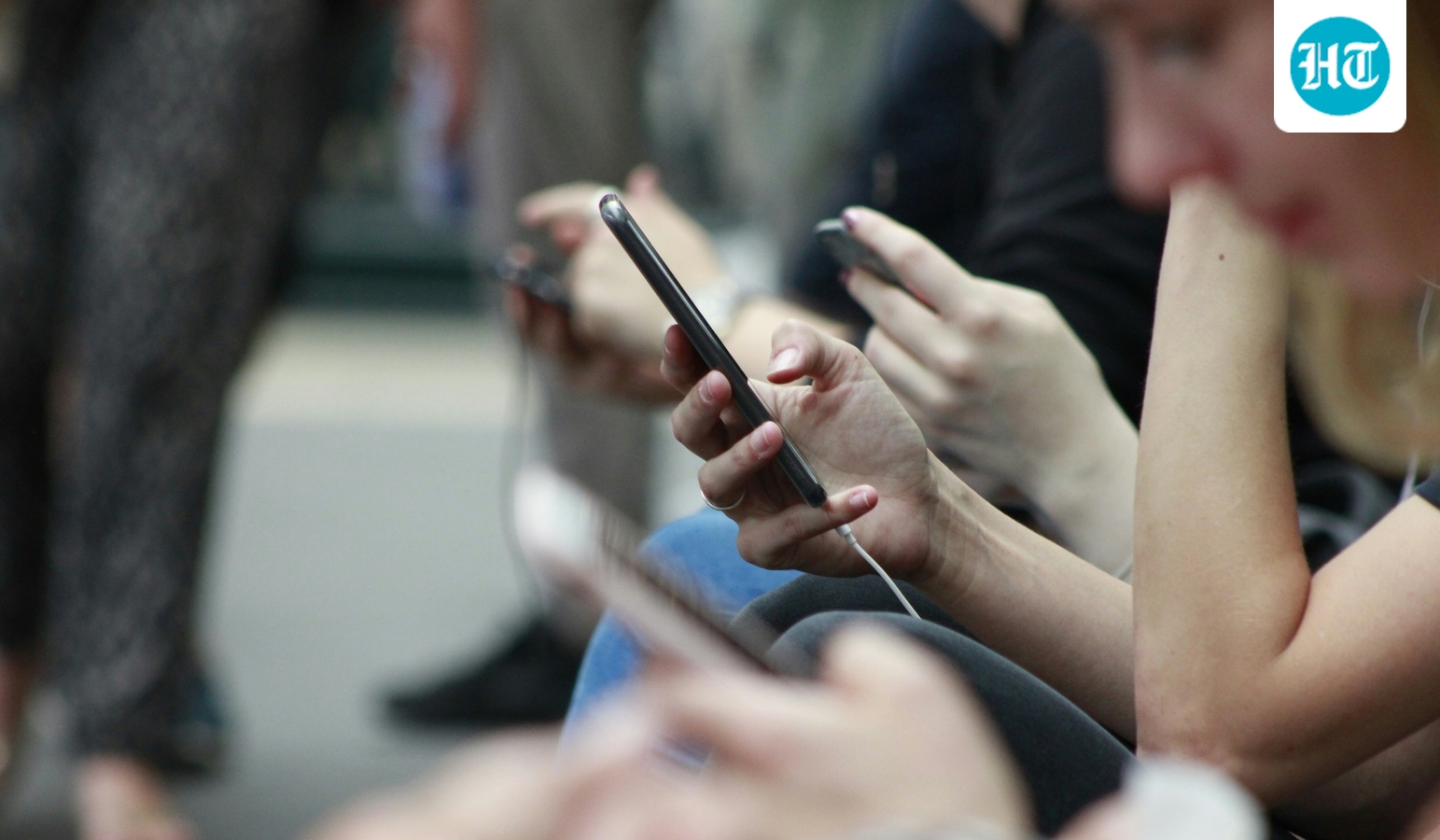
From checking notifications first thing in the morning to scrolling before bed, smartphones have become an inseparable part of everyday life. But could constant screen exposure and frequent phone checking be affecting the way we focus, sleep and feel?
Dr Gaurav Batra, Principal Consultant, Neurosurgeon, Yashoda Medicity, Indirapuram, Ghaziabad, spoke to HT Lifestyle about whether excessive smartphone use could contribute to problems such as fragmented attention, disturbed sleep and recurrent headaches. (Also read: 47-year-old longevity expert trained at Cornell says his arteries are ‘measurably younger’: Here are his 5 daily habits )
Is ‘smartphone brain’ a real problem
“The smartphone has become an extension of our everyday life. We use it to work, study, communicate, navigate, shop and unwind. When checking the phone becomes almost automatic, it is natural to ask whether this constant stimulation is affecting the brain,” Dr Batra said.
He adds, “We come across patients who describe difficulty concentrating, poor sleep and recurrent headaches while also reporting several hours of daily smartphone use. This leads to this question: are we developing a ‘smartphone brain’?”
However, the concern is not necessarily about screen time alone. According to Dr Batra, how frequently the phone interrupts attention and how continuously it is used may also matter.
Can excessive smartphone use affect focus
“One of the most common patterns that I see is frequent or continuous task switching and scattered attention. An individual may start by responding to an email, check a notification, open social media and then get back to what they were doing before,” Dr Batra explained.
“Eventually, this recurring task switching results in fragmented attention and the individual’s concentration gets distracted continuously,” he says.
He added that research into problematic smartphone and internet use has found associations with changes in cognitive control and attention-related brain networks. “If someone is constantly stimulated by notifications, short videos and rapid changes in content, sustained concentration can become more difficult. This is particularly relevant for students and people whose work requires prolonged mental focus,” Dr Batra said.
Too much screen time may also affect sleep
The impact of smartphone use may become particularly noticeable when the device is used late at night. “Using a phone late at night can delay bedtime, keep the brain engaged and expose the eyes to light at a time when the body should be preparing for sleep,” Dr Batra said.
He pointed to an analysis that found every additional hour of daily screen time was associated with approximately three to five minutes less sleep. Greater screen exposure was also associated with delayed bedtime and a higher likelihood of difficulty falling asleep.
“This is not necessarily caused by screen light alone. A phone can keep the brain mentally engaged, encourage us to postpone bedtime and create a habit of checking the device whenever we wake up during the night,” he explained.
What about frequent headaches?
Headaches can have several causes, so prolonged smartphone use should not automatically be considered the reason behind recurring pain.
“Headaches are another frequent complaint among people with prolonged screen exposure. I would not attribute every headache to smartphone use. Migraine, tension-type headache, vision problems, dehydration, stress and sleep deprivation can all play a role,” Dr Batra said.
However, prolonged screen use can introduce several potential triggers. “Prolonged screen use can bring several potential triggers like sustained near-focus, reduced blinking, glare, static posture and prolonged bending of the neck,” he added.
When should you be concerned
“Occasional screen fatigue is part of modern life and rarely needs intervention. But when poor focus, unrefreshing or disturbed sleep and recurrent headaches show up together and persist for more than a couple of weeks, that combination is worth taking seriously rather than waiting it out,” Dr Batra said.
He suggested trying a short-term reduction in discretionary screen use and avoiding screens before bedtime to see whether symptoms improve. “A simple two-week experiment, like capping discretionary screen use preferably under two hours a day and keeping screens out of the last hour before bed, is often enough to know whether screens are the driver,” he said.
“If symptoms don’t ease, or if headaches are severe, worsening or accompanied by visual disturbances, seizures, weakness or other neurological symptoms, you must see a doctor for a complete medical evaluation and to diagnose the underlying cause,” says Dr Batra.
Note to readers: This article is for informational purposes only and not a substitute for professional medical advice. Always seek the advice of your doctor with any questions about a medical condition.
