

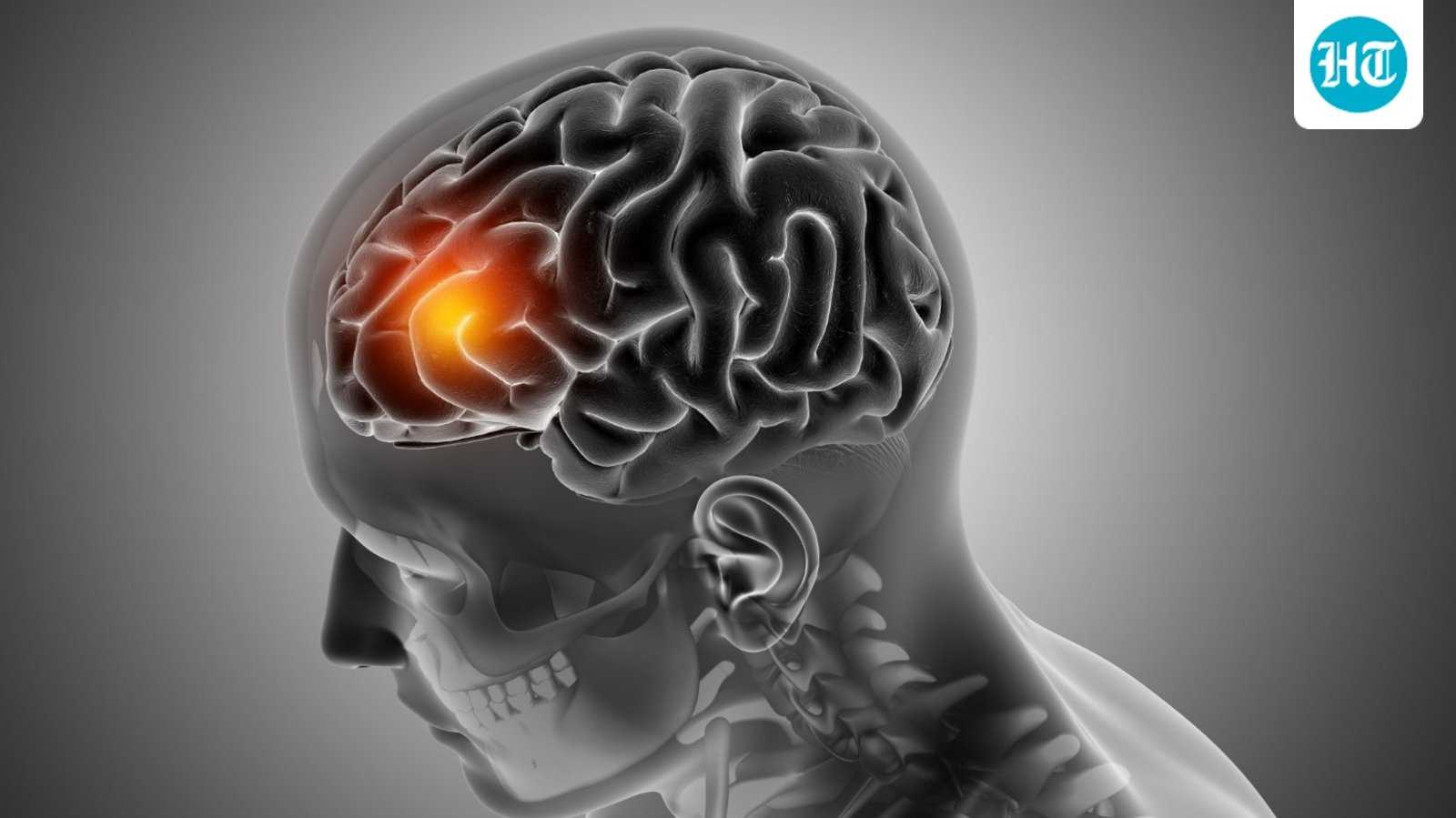
Strokes are usually associated with older adults, but cases are steadily rising among people in their 20s, 30s, and 40s. Several factors may be contributing to this worrying trend, such as sedentary routines, poor dietary habits, chronic stress, inadequate sleep, smoking, and many underlying health conditions. Even young adults who appear physically fit may silently carry this undiagnosed risk. It is high time to understand what may heighten the risk of stroke and recognise the warning signs before it is too late.
ALSO READ: Can being physically active lower the risk of stroke and premature death? Neurologist explains
Dr Anoop Kumar Singh, neurosurgeon at Lifeline Hospital, weighed in on this growing concern, explaining why strokes are so common among young adults and highlighting the risk factors and sudden warning signs they should not ignore.
Why are strokes happening among young adults?
The expert acknowledged a shift in the age profile of stroke patients: “Historically, strokes were almost exclusively seen in older demographics, and identifying a case in someone under 40 was exceptionally rare. Today, that baseline has shifted dramatically. Driven by rapid lifestyle transitions and demographic realities, we are detecting an unprecedented surge of strokes, heart attacks, and related vascular conditions in young adults.”
This is important as it shows that stroke can no longer be viewed solely as an age-related condition.
The shift has become so prevalent that the neurosurgeon now recommends routine health evaluations starting as early as age 35. He attributed the rise to a combination of factors, such as sedentary lifestyles and hectic work routines, which may contribute to hypertension, diabetes, high cholesterol, and obesity at a younger age. Poor dietary habits, smoking, heavy alcohol consumption, and recreational drugs may further heighten the risk.
Does family history increase stroke risk?
Lifestyle is not the only risk factor. A family history of early stroke, hypertension, diabetes or certain inherited clotting disorders may also leave young people more vulnerable to strokes.
Addressing how early people with genetic predisposition should begin monitoring their health, Dr Singh said, “The risk rises significantly. If parents have a history of early-onset hypertension, diabetes, hyperlipidemia, or genetic thrombophilia (like Protein C/S deficiency), offspring carry a clear predisposition. For individuals with a strong family history, comprehensive screening should not wait until age 35; baseline evaluations should begin between ages 20 and 25.”
What are the warning red flags of stroke?
A stroke can sometimes be mistaken for regular problems, such as migraine or anxiety. Dr Singh explained its defining features; sudden onset of symptoms, that affect one side of the body. He listed the following red flags that should not be ignored:
- Sudden loss of physical balance or veering to one side while walking
- Sudden visual loss or blurriness in one eye
- Sudden facial drooping or involuntary drooling from one side of the mouth
- Sudden weakness, heaviness, or numbness in one arm or leg
- Sudden slurring of speech or difficulty producing/understanding words
How can you identify a stroke using BE-FAST?
Recognising a stroke quickly can make a crucial difference. For this, Dr Singh recommended using the BE-FAST framework, which helps people identify common warning signs within seconds and understand when immediate medical attention may be required.
- B (Balance): Sudden stumbling, dizziness, or loss of coordination.
- E (Eyes): Sudden loss of vision in one or both eyes.
- F (Face): Asymmetry when smiling; one side of the face hangs down.
- A (Arms): Inability to hold both arms raised; one arm drifts downward.
- S (Speech): Slurred speech, strange phrasing, or complete muteness.
- T (Time): Time to call emergency services and reach a stroke-ready center immediately.
Note to readers: This article is for informational purposes only and not a substitute for professional medical advice. Always seek the advice of your doctor with any questions about a medical condition.
