

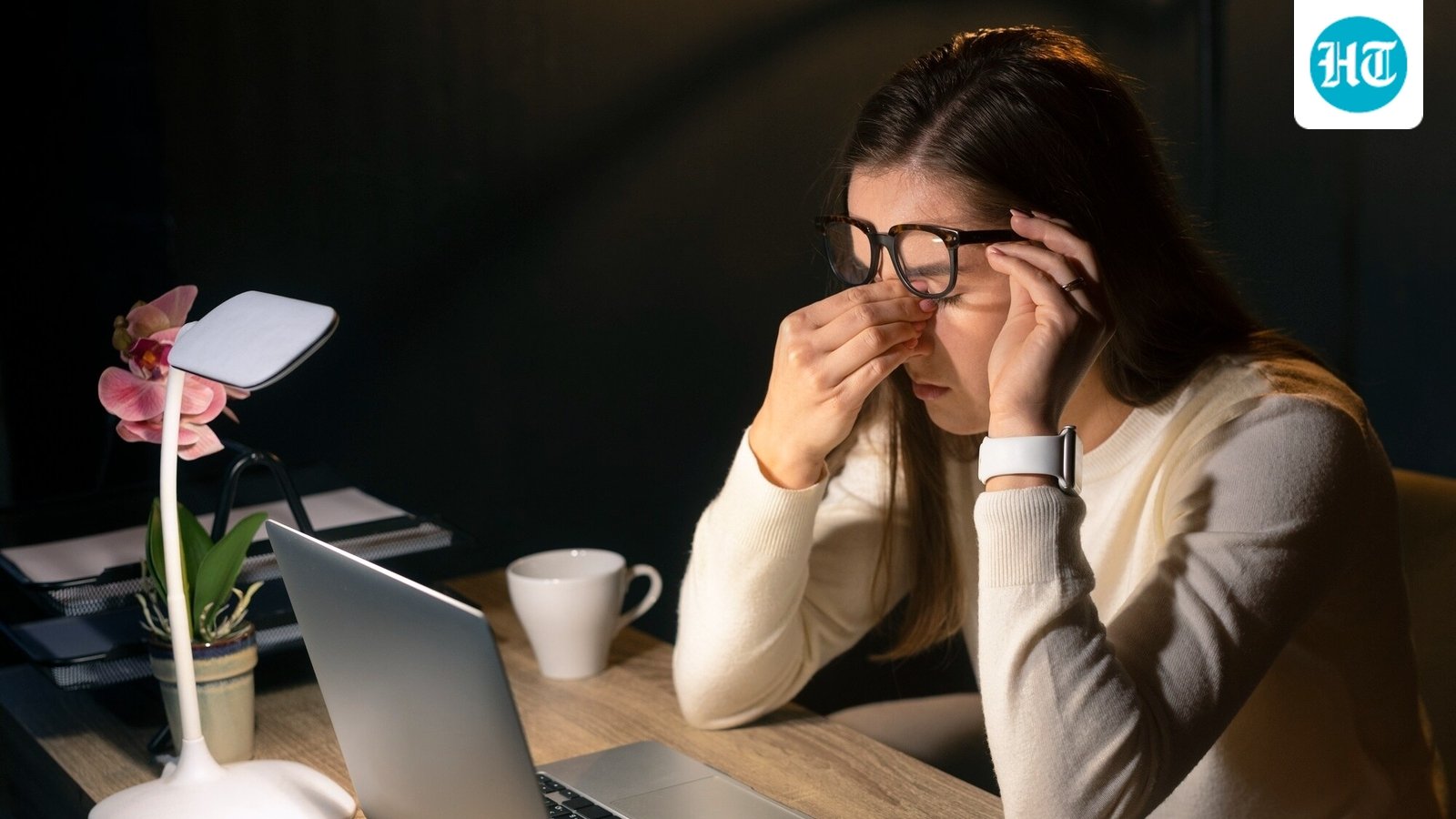
Hormones, digital screens, and natural ageing form a trifecta that leaves women disproportionately vulnerable to dry eye disease. Often written off as simple fatigue or long hours at work, this condition can cause lasting surface damage, inflammation, and a reduced quality of life if left unmanaged. Also read | Humid weather, still dry eyes? Ophthalmologist Dr Neelima Shah explains why, shares causes of the condition
“Dry, itchy, burning eyes are often dismissed as a temporary problem caused by long hours of screen use, lack of sleep, or fatigue,” Dr Prabhakar G V, consultant, cornea, Sankara Eye Hospital in Hyderabad, said in an interview with HT Lifestyle. “However, for many women, these symptoms may indicate a more persistent condition called dry eye disease,” he added.
Understanding the tear film
Dr Prabhakar explained that the eye relies on a thin protective layer called the tear film to maintain a smooth surface, provide essential lubrication, shield against infections, and support clear vision. Dry eye disease develops when the eyes fail to produce enough tears or when poor tear quality causes tears to evaporate too rapidly.
“When the tear film becomes unstable, the eye surface becomes irritated, leading to symptoms such as dryness, redness, burning, and blurred vision,” Dr Prabhakar said. Paradoxically, watery eyes can also signal the condition. He shared, “When the eyes become dry, they may produce reflex tears, but these tears do not provide the necessary lubrication.”
The hormonal connection
Clinical observations show that women face a higher risk of dry eye than men, especially after age 45. Understanding this vulnerability is key to early detection. “One of the biggest reasons women experience dry eye disease more frequently than men is hormonal change,” Dr Prabhakar noted.
Hormones like oestrogen and androgen regulate tear production and the eyelid glands that secrete oil to stop tears from evaporating too quickly, he highlighted. Throughout life, women undergo multiple hormonal shifts during menstruation, pregnancy, breastfeeding, perimenopause, and menopause. “Menopause is an important stage when many women notice increased eye dryness, irritation, and discomfort due to declining hormone levels,” Dr Prabhakar said.
Ageing, screen habits, and health risks
Natural tear production gradually decreases after age 40, leaving women increasingly susceptible, he added. Modern lifestyles aggravate this risk, as women spend hours using laptops, smartphones, and tablets for work, communication, shopping, and entertainment, Dr Prabhakar explained. Screen fixation reduces blinking, preventing tears from spreading evenly and accelerating evaporation, he shared.
Pre-existing health conditions more common in women — such as thyroid disorders, diabetes, rheumatoid arthritis, lupus, and other autoimmune conditions — also increase vulnerability, Dr Prabhakar highlighted. Furthermore, medications like antihistamines, antidepressants, hormonal drugs, and certain blood pressure therapies can lower tear production or intensify symptoms, he said.
Warning signs and environmental triggers
According to Dr Prabhakar, symptoms vary widely and encompass burning or stinging, a gritty feeling, redness, irritation, and difficulty wearing contact lenses. Patients may also experience excessive watering, light sensitivity, eye fatigue after reading, and blurred or fluctuating vision. These warning signs frequently worsen in air-conditioned environments, windy weather, during long hours of screen exposure, or after insufficient sleep, Dr Prabhakar shared.
Prevention and treatment strategies
Dr Prabhakar stresses that while dry eye can interfere with reading, driving, device work, and outdoor activities, ‘the good news is that dry eye disease can be effectively managed with timely diagnosis, healthy habits, and appropriate treatment’.
According to him, these are some of the key preventive habits:
⦿ Follow the 20-20-20 rule: every 20 minutes, look at an object 20 feet away for 20 seconds.
⦿ Practice screen hygiene: take regular breaks and blink consciously.
⦿ Adjust your environment and lifestyle: stay hydrated, get adequate sleep, avoid direct airflow from fans or air conditioners, and wear sunglasses against dust and UV exposure.
⦿ Support your diet: eat omega-3-rich foods, fruits, vegetables, and nuts.
For persistent cases, ophthalmologists may recommend lubricating eye drops, warm compresses, eyelid hygiene, or targeted therapies, Dr Prabhakar said, cautioning against prolonged over-the-counter drop use without guidance, as some formulations are unsuitable for specific types of dry eye.
“Many women continue to tolerate dry, irritated eyes, assuming it is a normal part of ageing or a result of busy lifestyles. However, persistent symptoms should not be ignored,” warned Dr Prabhakar. Women experiencing ongoing discomfort despite lifestyle changes — or those with diabetes, thyroid disease, autoimmune conditions, or a family history of eye disorders — should seek an evaluation, he said, adding that early care helps keep eyes healthy, supporting productivity and independence at every stage of life.
Note to readers: This article is for informational purposes only and not a substitute for professional medical advice. Always seek the advice of your doctor with any questions about a medical condition.
