

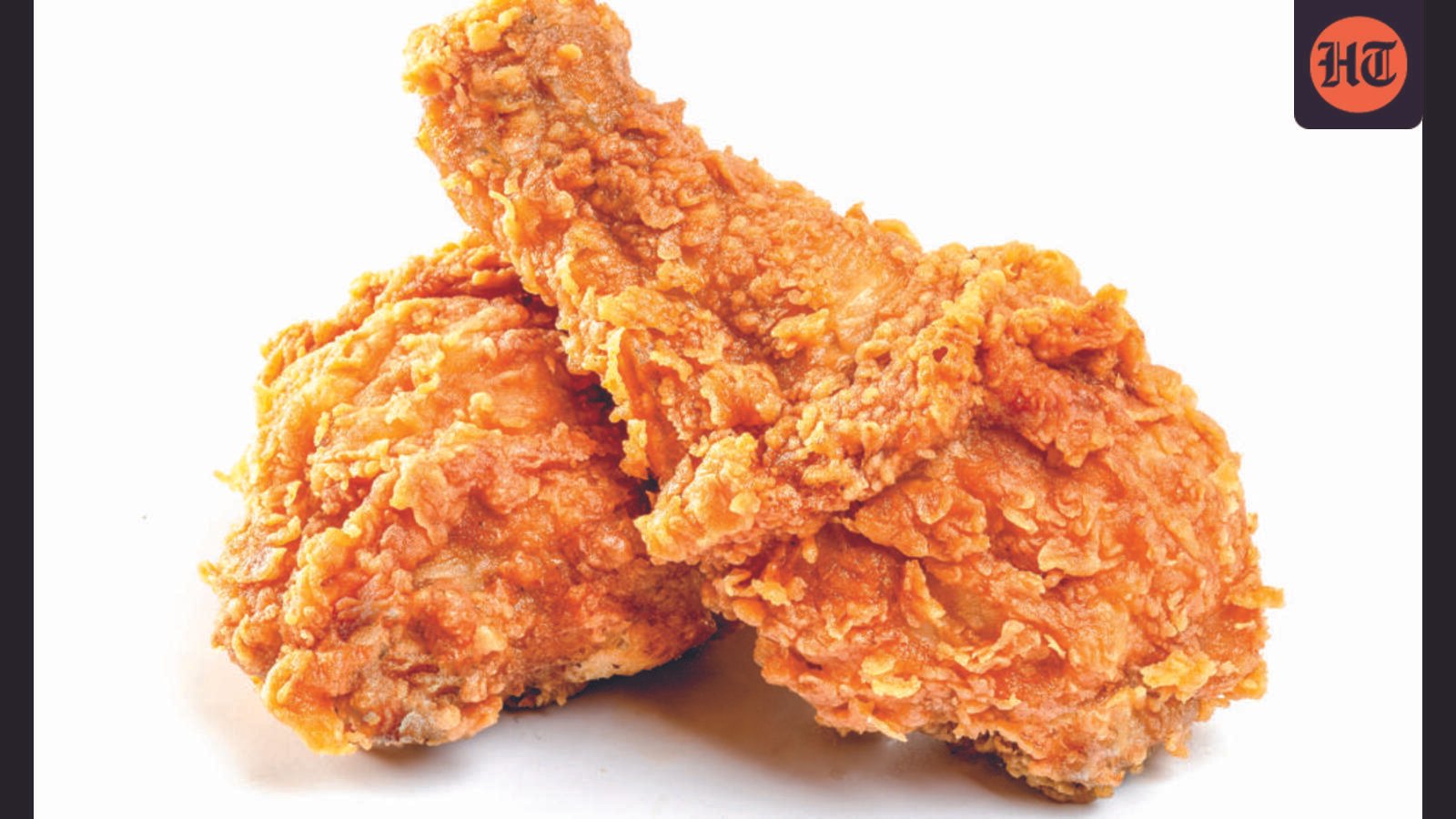
What is the most consumed meat in India? If you answered mutton you would be wrong. More ‘buffalo meat’ is produced in India than mutton.( ‘Buffalo meat’ is at 1.2 million tonnes while mutton is at 800,000 tonnes though much of the ‘buffalo meat’ is exported and often called beef which it may or may not be.)
But the undisputed champion is chicken. We consume a staggering 5 million tonnes of chicken every year. This is unusual because it marks a change from the position years ago when chicken was regarded as a relatively expensive treat. The industrialisation of chicken production has caused prices to drop and consumption to soar.
So it will come as no surprise that KFC is among India’s biggest non-pizza fast food chains with over 1100 stores, about 25% more than McDonald’s and around double of Burger King. ( Overall Domino’s Pizza is still the king.) But here’s the thing. With its all-American heritage and reverence for the founder Col. Sanders who created the recipe in Kentucky (KFC is an abbreviation of Kentucky Fried Chicken) you would expect KFC to reign supreme in the US. But KFC sales are actually falling in America. And it’s now a relatively minor player in the US fast food market: only around 13 % of its sales come from America. Its real strength is in markets like India and especially China where, in many cities, there seems to be a KFC on every corner.
Why is KFC doing well in newer markets than in its home? Well, one theory is that Americans are going off bone-in chicken. In India, where tandoori chicken usually has bones we are used to the kind of chicken cuts that made KFC famous. The other explanation for the decline came from the founder himself. Though Col Sanders sold the company in 1964, he continued to be the mascot (at a salary) till he died in 1980. But even when he was taking a salary from the company Sanders had no hesitation in making it clear how much the product quality had deteriorated. In 1976, he told the New York Times “That’s the worst fried chicken I’ve ever seen,” adding, “there’s no way anyone can get me to swallow those potatoes.”
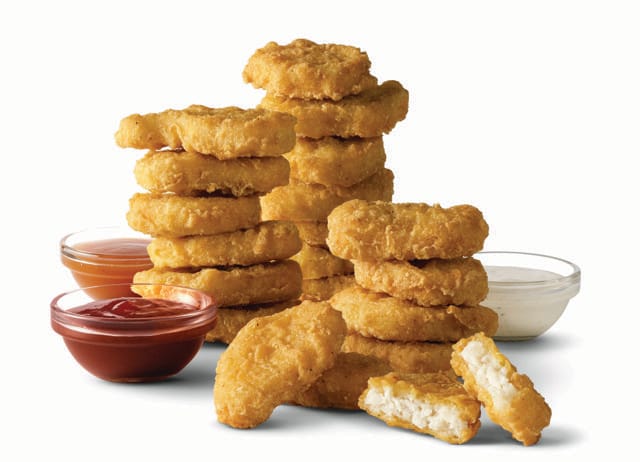
I know what he meant but it made no difference to the company which went on to expand abroad where nobody knew who the white-haired old man featured in the signage was or had heard his denunciation of the company. In any case KFC had other problems. It was blindsided by McDonald’s introduction of chicken nuggets, a milestone for the fast food industry. McDonald’s noticed in the late 1970s that Americans were turning against too much red meat and decided to add chicken. Ray Kroc, the company’s boss, had hired a European chef called Rene Arend to create new dishes for the McDonald’s menu. As you might expect everyone (including Arend) thought it was a crazy idea to mix French haute cuisine with American fast food. And most of Arend’s creations (a chicken pot pie, a steak sandwich etc) never got off the trial stage. Kroc then asked him to create fried onion nuggets as a side to go with the burgers. Arend experimented with the concept but thought to himself: suppose I did the same thing but with chicken?
Everyone at McDonald’s loved the taste of Arend’s fried chicken nuggets but the problem was that McDonald’s would need over a million nuggets if it was to rollout the product across stores. And none of its suppliers had the technology needed to cut chicken into so many nugget sized pieces. The technology was finally developed but then they had another problem: how could you create an industrial product with a shelf life that looked like it had been recently battered at the store? McDonald’s created new technology for that too, using the principles of tempura batter and finally perfected the product.
In 1980 when McNuggets were launched they were so popular that McDonald’s asked a second supplier to quickly set up a plant to cut the chicken pieces. To everyone’s surprise McDonald’s, best known till then for its burgers, became the second largest American fast food chain to sell chicken. (KFC was still number one.)
The nuggets revolution transformed the fried chicken market in America and demonstrated that people liked fried food with a crispy batter and no bones. Chicken was a bland enough meat so it didn’t interfere with the crispiness and crunch. Once that was established all that remained was to translate that principle to sandwiches and burgers.
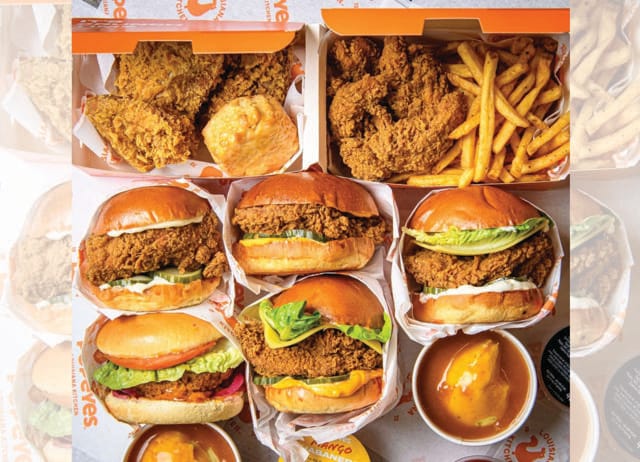
Another chain, Popeye’s took on that challenge. It worked on the assumption that America’s love for crispy fried chicken would translate into a popular sandwich. Popeye’s was right and its success led to Chicken Sandwich battles among fast food operators. The Sandwich war transformed the market and led to the soaring popularity of chicken burgers (which may have sounded like an oxymoron only a decade before) to the extent that nearly 50% of all American restaurants now serve some form of fried chicken sandwich while the beef burger lags behind at 41%.
It’s a measure of KFC’s growing irrelevance in America that it was not a major player in the sandwich wars. With the fried chicken market on its way down in the US, KFC has focused on Asia where fried chicken has been as potent a symbol of Americana as the burger and the milk shake.
Many Asian countries have their own fried chicken traditions but most exhibit an American influence. It was Americans who took fried chicken to the Philippines over a century ago. It has become so much a part of the food scene that there are now local variations with indigenous flavours.
In Korea, fried chicken was popularised by American soldiers in the late 1950s. But the fried chicken boom was a consequence of Korea’s growing affluence. Only in the 1970s did cooking oil become widely available and the fried chicken restaurants mushroomed after that. What we now call Korean Fried Chicken only became popular after 1982 when ambitious restaurateurs began putting thinner spicier coverings on the fried chicken. It is not an ancient Korean dish.
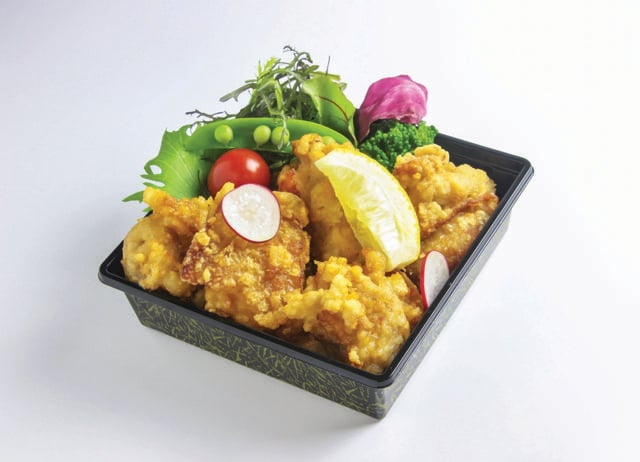
Even in Japan there is a clear American influence to Chicken Karaage, the local fried chicken. It took off after the Second World War when American Occupation forces urged the Japanese to eat more US wheat. While Karaage batter can be wheatless (potato starch etc) most commercial versions will use wheat in the batter.
According to legend, refugees from China’s Hainan province took their famous poached chicken-rice dish to Singapore (where it is still called Hainanese Chicken Rice). They took it to Thailand too (where it’s called Khao Man Gai) but the Thais had the brilliant idea of deep frying the chicken American-style ( Khao Man Thod). The fried version is a post World War Two phenomenon and of course the Americans say they inspired the Thais (Bangkok was a centre of US operations during the Vietnam war). And of course the Thais dispute this.
Where does that leave us Indians as lovers of chicken and saviours of KFC? At the edge of an ever-bigger fried chicken boom is the answer. We want to eat chicken all the time. And we delight in fried foods. It’s not hard to figure out why millions of more chickens will fly into our fryers! Hopefully we won’t just copy the West and some bright chef will create an Indian version– as the Thais, Japanese, Koreans etc did — and take it around the world. So far there has only been one really delicious Indian fried chicken sandwich: The Rowdy Rooster in New York created by Chintan Pandya. If Chintan can do it so successfully in New York then surely chefs in India should be able to follow his lead ?
From HT Brunch, August 8, 2026
Follow us on www.instagram.com/htbrunch
