

What you eat deeply influences your well-being. Health discourse also places food choices at the centre of your overall health, examining potentially carcinogenic foods and warning people to advocate for nutrient-dense essentials that provide the necessary vitamins, minerals, protein and fibre required for the body to function properly.
However, some everyday foods are not inherently bad but may still be worrisome because of the risk of contamination and foodborne illnesses. Typically, such ailments occur when you consume contaminated food or beverages, potentially leading to infections or food poisoning. Certain foods may also contain disease-causing viruses, bacteria, or parasites, which is why taking the right precautions is crucial, even if the foods may not be conventionally ‘bad.’
In a July 23 report by Time, food safety experts flagged 10 foods that they deem to be risky and revealed why they prefer to avoid them. They arrived at these conclusions after years of investigating and evaluating foodborne illness outbreaks. Their list comprises a wide variety of food and beverages, from raw milk and undercooked meat to fruits such as cantaloupe.
Here are the 10 foods that safety experts prefer to avoid, according to the Times report:
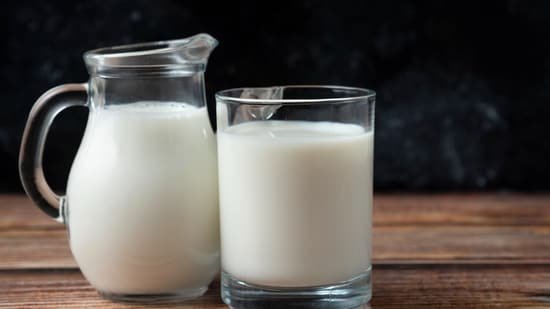
1. Raw milk and raw cheese
Milk is usually boiled to kill harmful bacteria, while pasteurised milk is safe to drink without boiling. But sometimes, people may drink unpasteurised milk, unboiled. This is severely detrimental to your health.
The report mentioned a food safety lawyer, Bill Marler, who called the consumption of raw milk ‘ridiculous.’ He highlighted pasteurisation, believing it to be a safer alternative. Over the years, he has observed many children who developed kidney damage and neurological complications, or even died, after contracting foodborne illnesses linked to raw milk.
This means raw milk extensively targets the organs: the kidney and brain. Such foodborne illnesses may even become life-threatening.
2. Cantaloupe
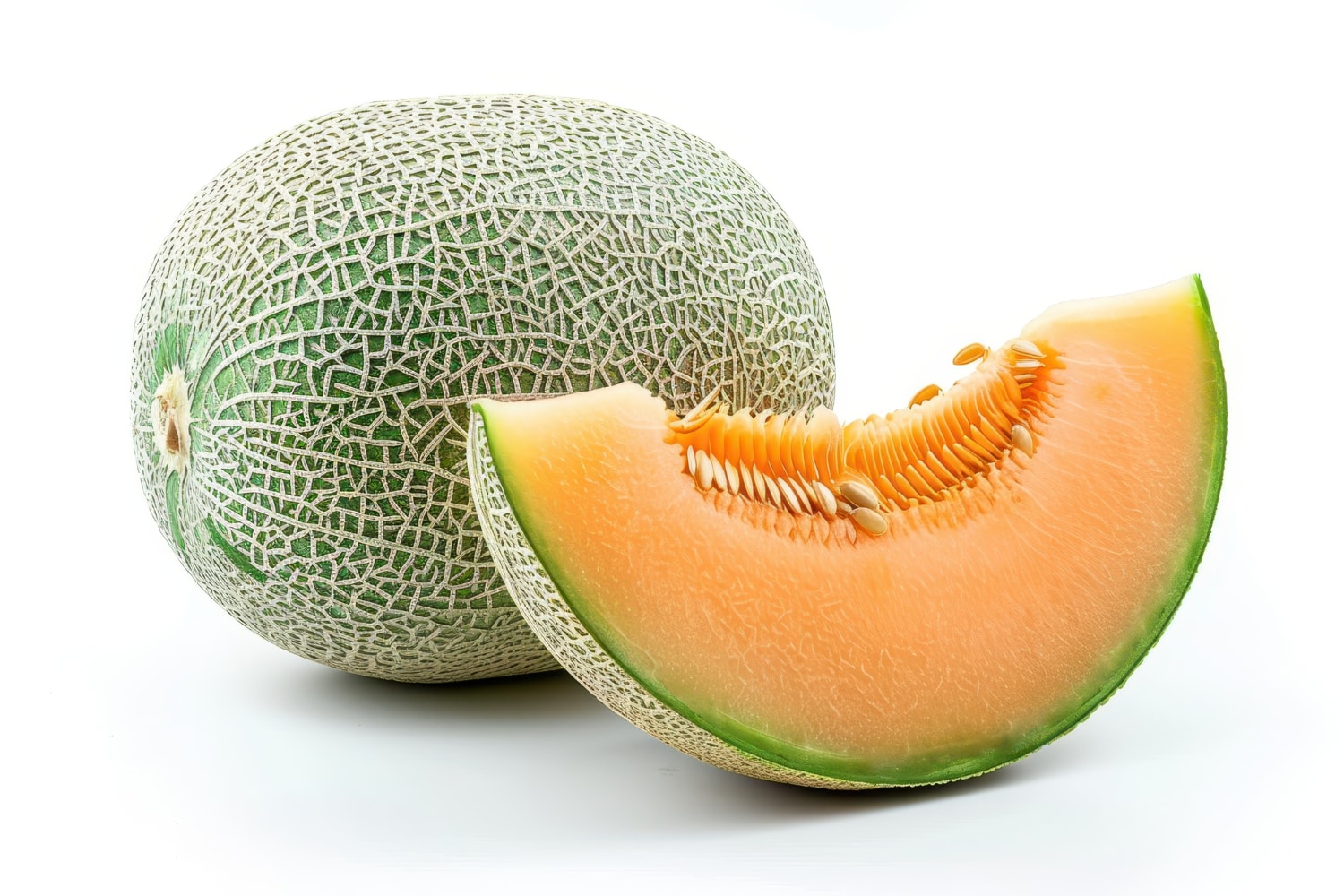
Cantaloupe is a melon, and since melons are hydrating fruits, loaded with vitamins, minerals, and antioxidants, one may not get any second thoughts about cantaloupe. But you need to scrutinise some fruits too!
Shockingly, Darin Detwiler, an associate teaching professor of food policy at Northeastern University and author of Food Safety: Past, Present, and Predictions, in the Time report, deemed cantaloupe to be ‘one of the riskiest fruits’ in the grocery. He reasoned that the outside of the cantaloupe cannot be cleaned properly, which leaves the risk intact. When you cut the fruit, whatever contamination is on the surface goes straight into the fleshy part of the fruit.
Is there any rule that circumvents this risk? Yes, there is. Darin instructed that you should cut and eat it right away. He also warned that cantaloupe should not be cut and left to sit for two hours.
How risky is this fruit exactly? When you leave the cut fruit out for long, the professor said that you actually see the pathogens on the fruit as cantaloupe develops something that looks like ‘dusting of powdered sugar.’
In fact, Darwin chooses to skip this fruit entirely because ‘the risk is not worth it.’ This suggests that the risk factor is so high that any precautionary measure may not provide sufficient reassurance.
3. Raw oysters and shellfish
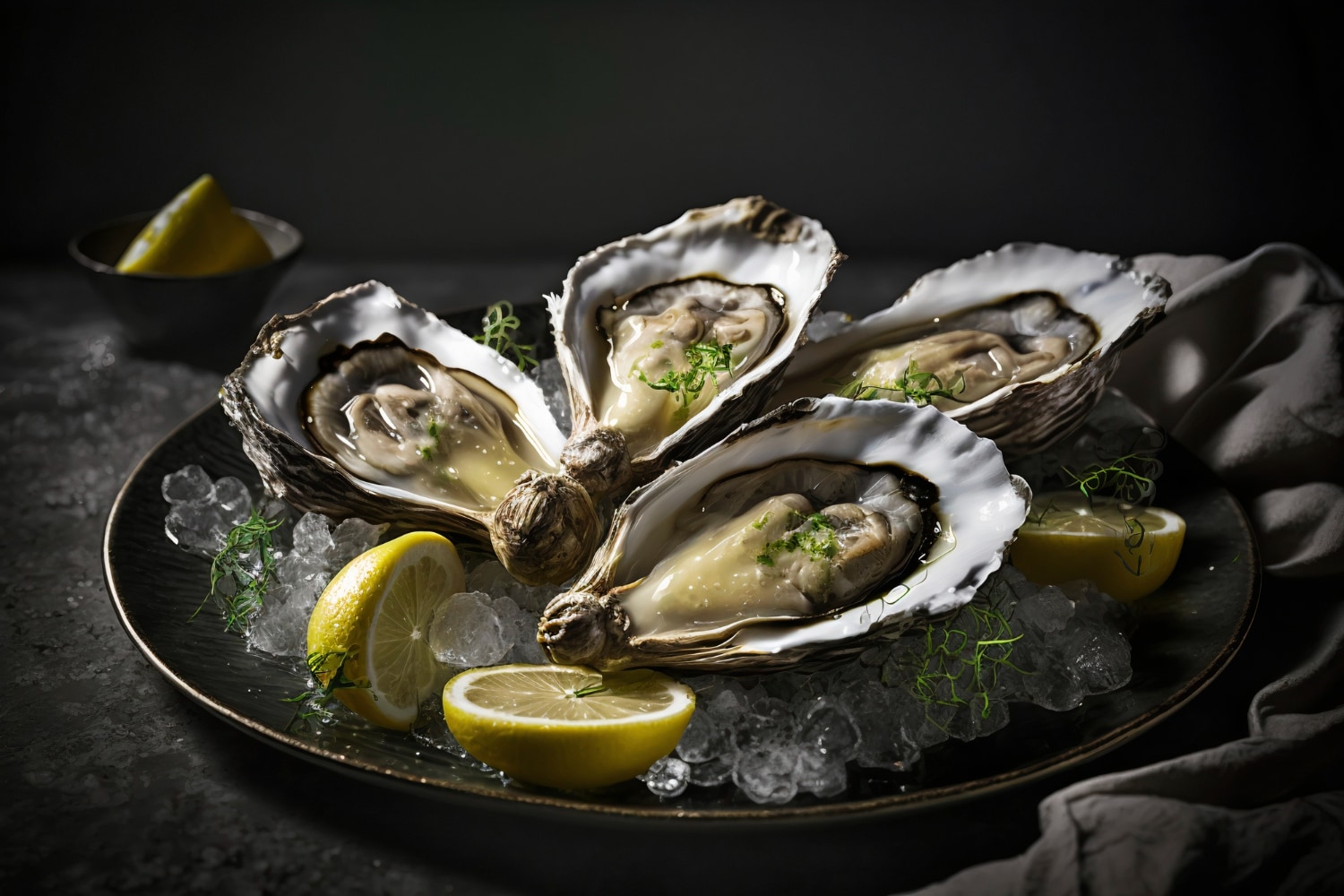
Pescatarians and seafood lovers adore oysters and shellfish and some may end up tasting them raw for some out-of-the-box gastronomic experimentation. But that can cost you! The extent to which they are cooked makes a whole lot of difference, and you should not take it lightly, as the report noted that it falls on the ‘no-go list for many experts’.
But why does it not pass the food safety scan?
It is actually because of their function in the marine ecosystem. They filter water through their bodies, so naturally they absorb harmful contaminants. When you are consuming them raw, it is a no-brainer that you are also consuming the contaminants.
Professor Detwiler is strictly against raw oysters and shellfish, categorising them as his ‘personal three foods to avoid.’ The same goes for food safety lawyer Bill Marler, hinting at a shared apprehension. They are also ’notorious’ because any illnesses linked to them may be difficult to trace back to this source.
4. Sushi rolls
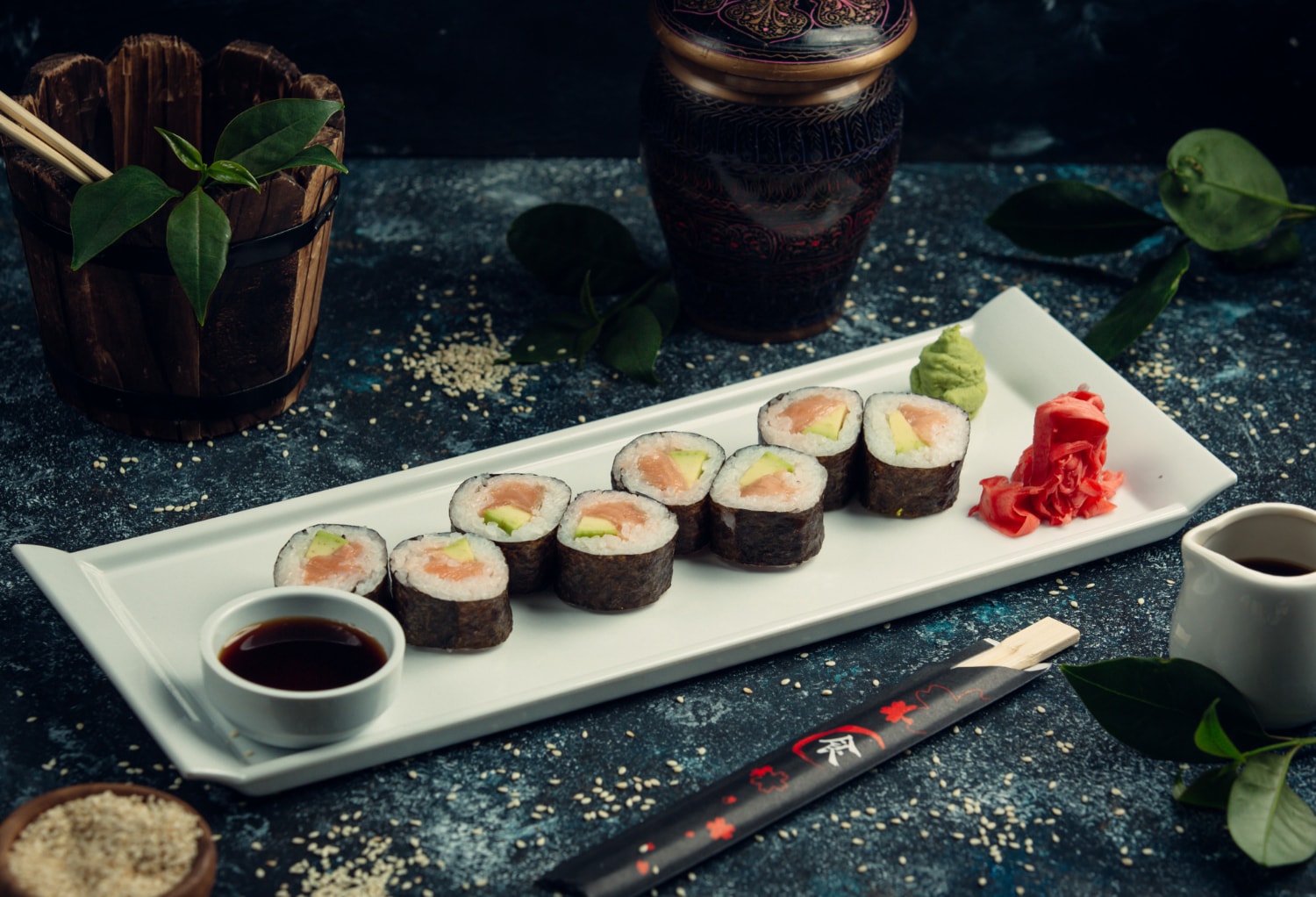
Everyone’s favourite sushi gets a yellow light. It is not entirely off the table, but it strongly requires precaution. That is the takeaway from Dr Daniel Griffin, an infectious disease physician and president of Parasites Without Borders.
His worry primarily comes from the fact that sushi may contain raw fish which may harbour parasites. Dr Griffin had a very interesting task for you that may make you lose your appetite: “If you Google ‘fish with parasite,’ you’ll probably lose your appetite.” Since the ingredients are hidden inside sushi rolls, Dr Griffin chooses to skip them.
Think about it: you cannot really see what the sushi looks like from inside. It is layered and hidden as the seaweed wraps around.
5. Undercooked pork
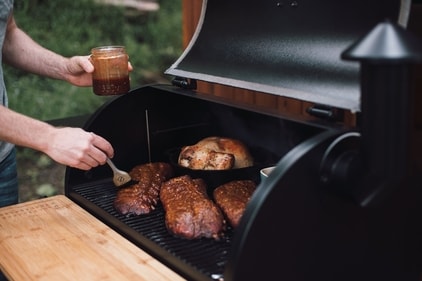
Pork is a widely consumed red meat, but it needs to be cooked properly to minimise the risk of illnesses.
One of the experts, Jill Roberts, a molecular epidemiologist and professor at the University of South Florida College of Public Health, confirmed that Toxoplasma, a parasite that also spreads through cat faeces, has been connected to undercooked pork. Seeing the risks, she chooses to avoid it altogether.
Which pork meat does she avoid? She flagged the thick cuts, such as pork tenderloin, as they can be difficult to cook thoroughly. Undercooked pork may contain Toxoplasma, a parasitic protozoan that causes the infection toxoplasmosis.
Since we are at meat-related risks, the report also included the deeply personal and tragic story of Barbara Kowalcyk, director of the Institute of Food Safety and Nutrition Security at George Washington University. Her young son passed away from complications of foodborne E. coli infection, which she believes was caused by contaminated ground beef in a hamburger.
6. Sprouts
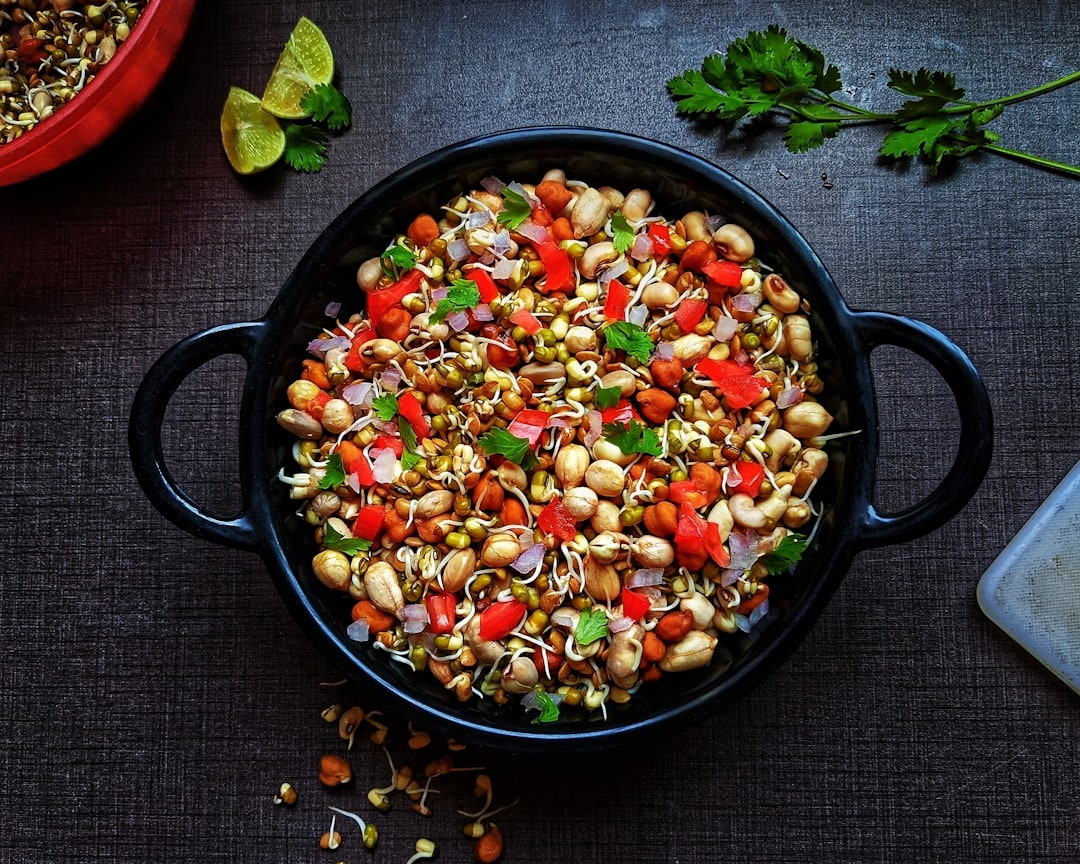
Sprouts may feel like a surprising entry on this list as they are otherwise considered healthy because of their nutritional profile. Still, there are good enough reasons why sprouts landed here. Barbara Kowalcyk found that raw sprouts cannot be cleaned easily, and bacteria may be present in the seeds themselves. Simply rinsing them is not enough to remove the contamination. She suggested cooking sprouts as a safer alternative.
7. Pre-cut fruits and vegetables
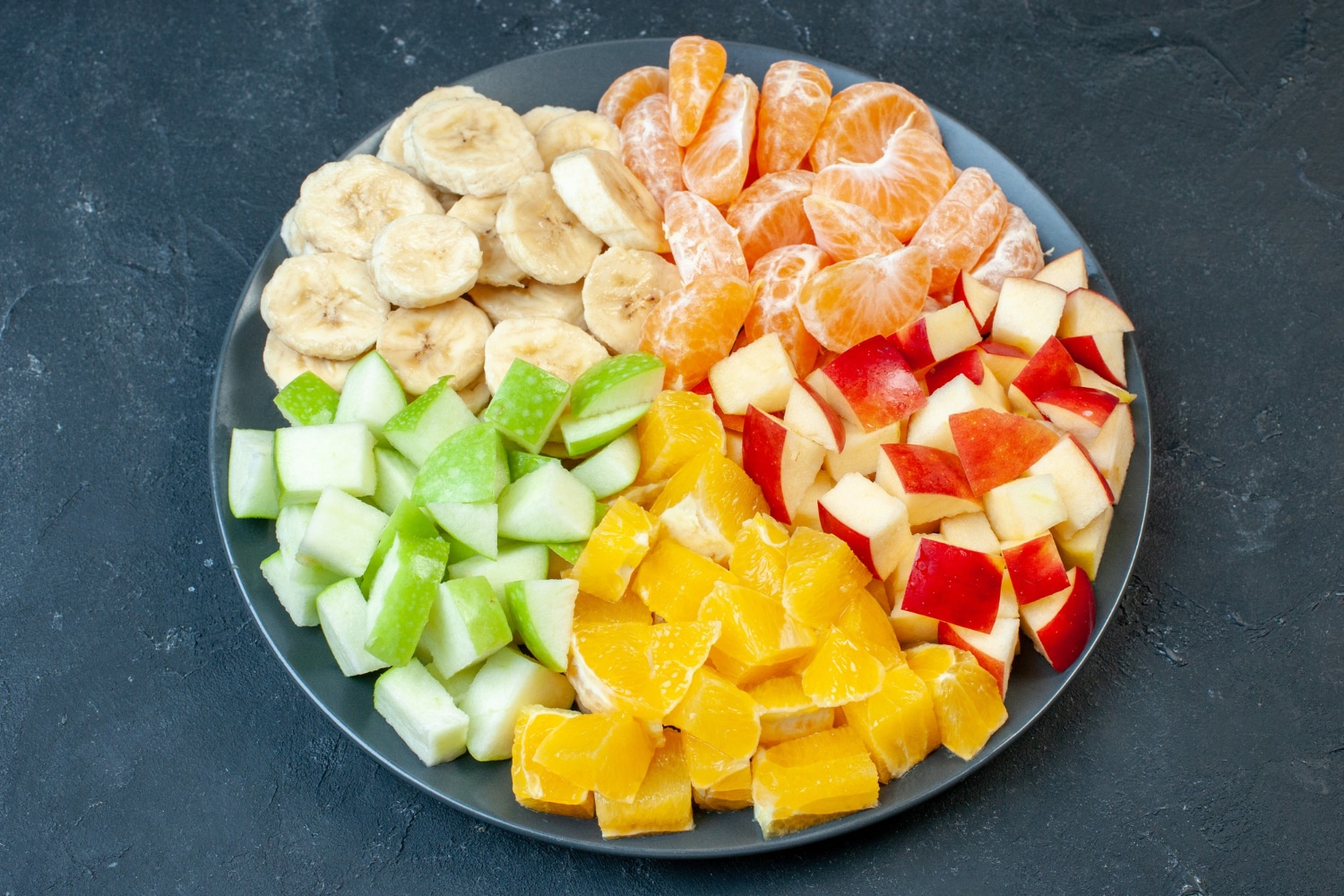
Food safety experts classified it as ‘easy pass.’ It may be convenient, but the risk is again not worth it. Food safety lawyer Bill Marler expressed concern over how the pre-cut fruit may be handled: “You don’t know how long it’s been sitting around, or whether the knife, the cutting surface, or the hands that touched it were clean.”
If you see pre-cut fruits and veggies being sold in the market, avoid. And instead buy it whole and cut it yourself.
8. Raw eggs
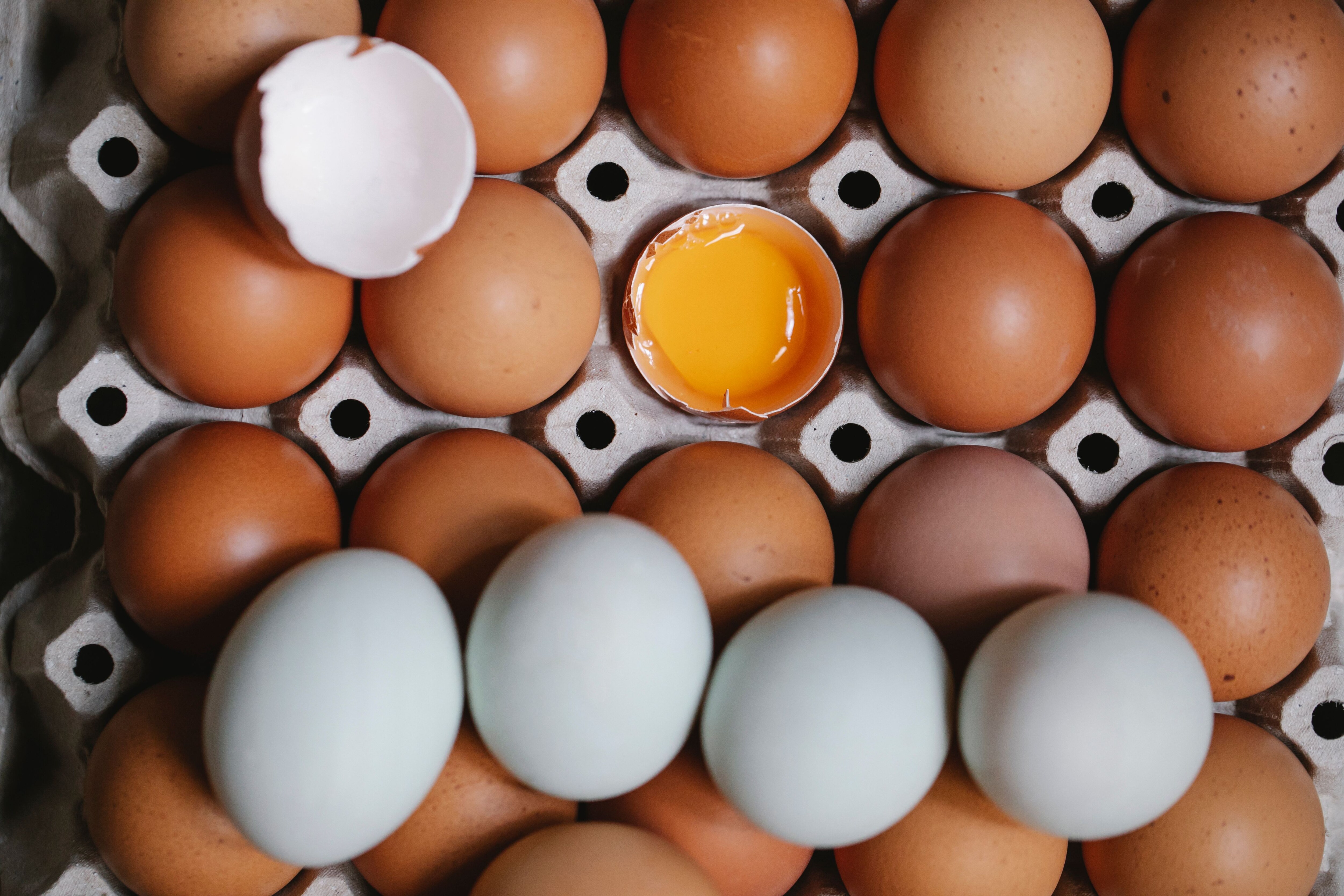
Eggs are a good source of protein and contain multiple benefits. But don’t nullify the advantage of eggs by eating them raw. Food safety lawyer Bill highlighted a problematic habit in the kitchen. When you make cookie dough or any batter, many may taste it. Avoid it, as it contains raw eggs. Bill’s reason was that most of the grocery stores don’t sell pasteurised eggs, so you cannot eat them raw.
9. Undercooked hamburgers
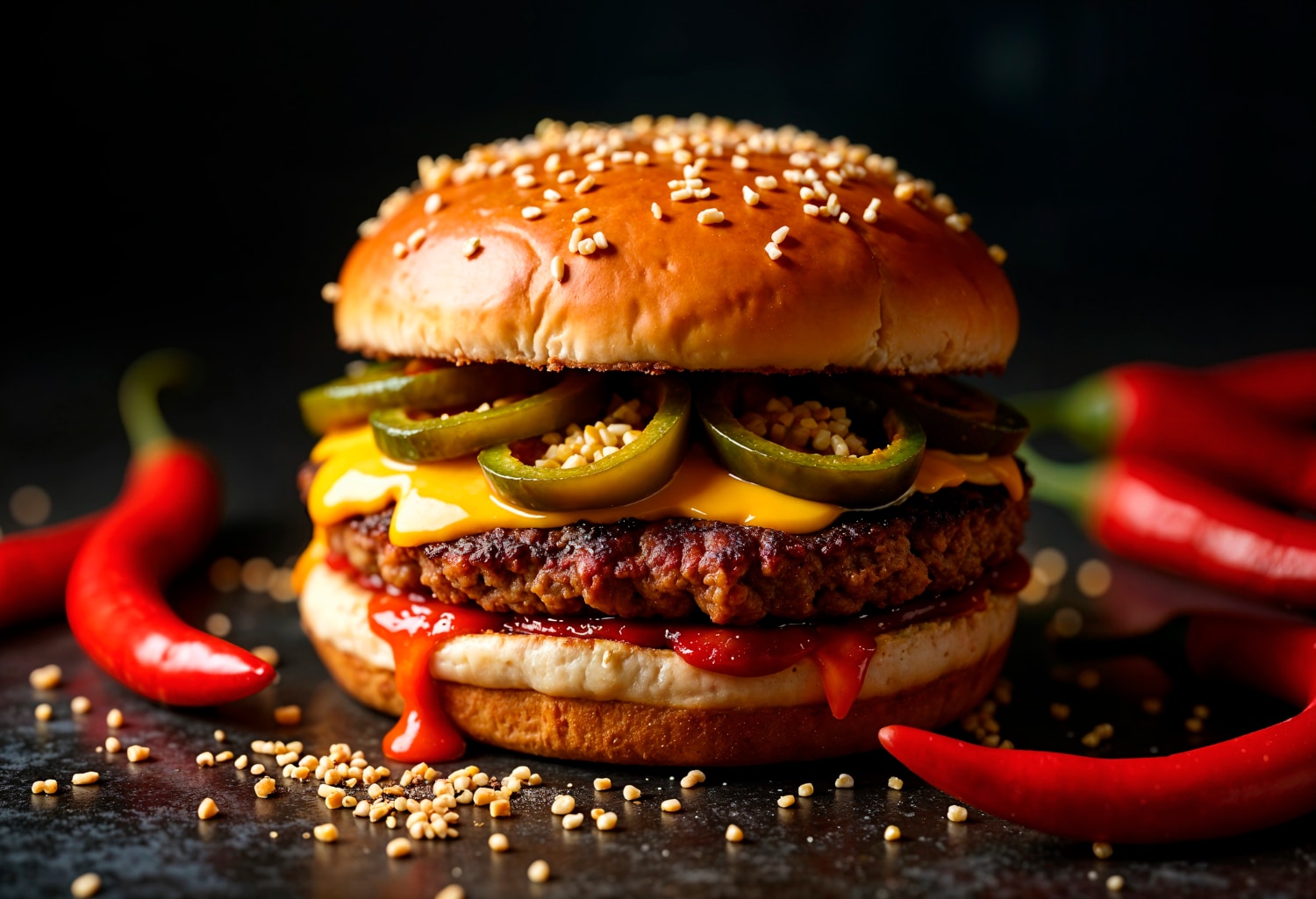
Again, another meat type has made it to the list. According to Griffin, hamburger patties may not be entirely safe when undercooked. This is because of how they are prepared. Differentiating a hamburger patty from a steak, he said, “With a steak, bacteria generally stay on the surface, where cooking kills them. Grind that same meat into a hamburger, though, and any bacteria get mixed throughout the patty.”
Therefore, the infectious disease physician recommended ordering burgers well-done to reduce the risk of exposure to bacterial contamination, E. coli, or faecal contamination.
10. Potlucks and picnic foods
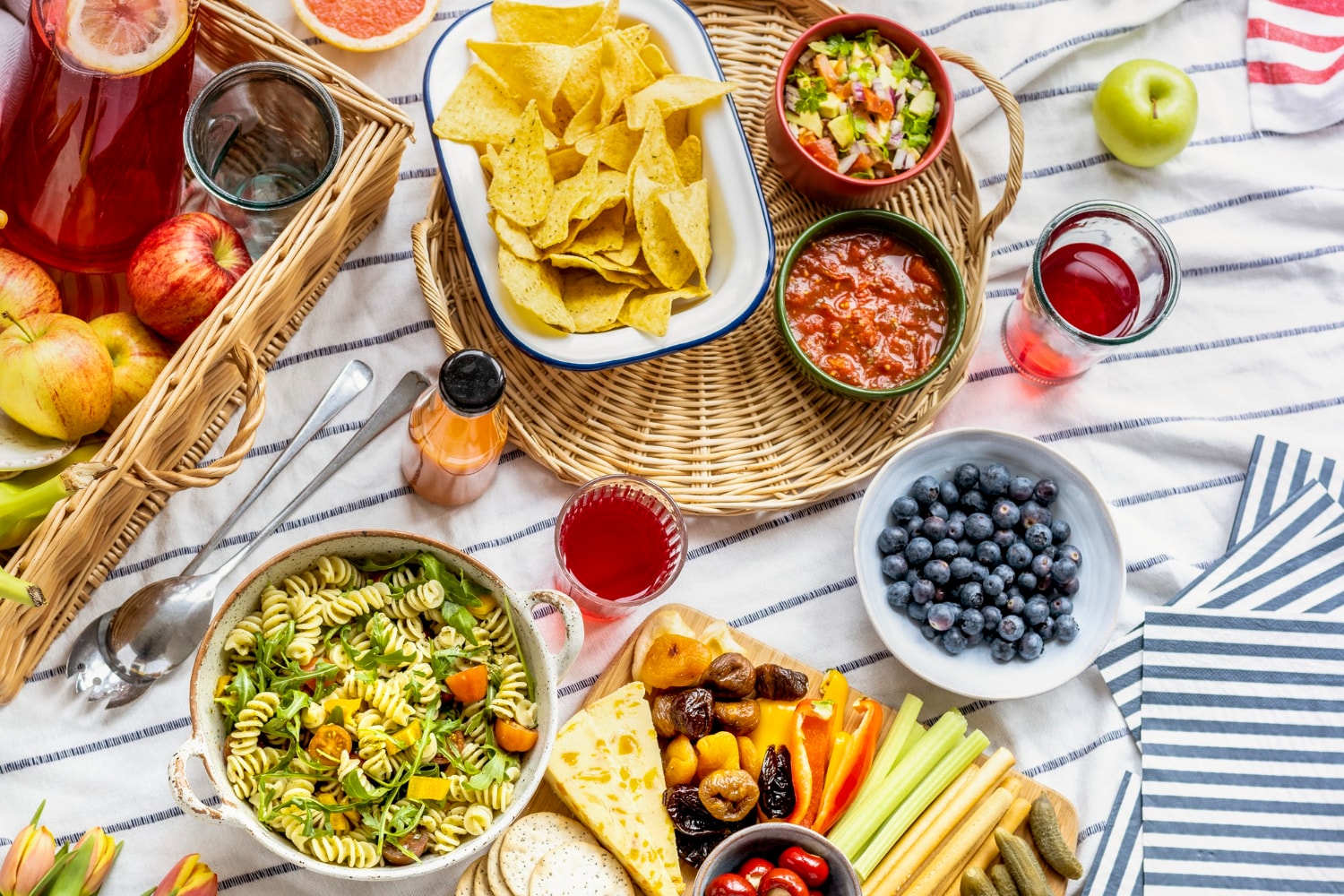
Sometimes, picnic foods and potluck meals may be prepared by caterers or other people, leaving you with little control over how safely they are prepared and handled. Jim Roberts, an epidemiologist, said that she remains cautious about such foods. Even when meals are prepared at family cookouts, she stays vigilant and never leaves food sitting out in the heat for too long. She also recommended bringing only small portions at a time and keeping the rest refrigerated until needed.
Note to readers: This article is for informational purposes only and not a substitute for professional medical advice. Always seek the advice of your doctor with any questions about a medical condition.
