

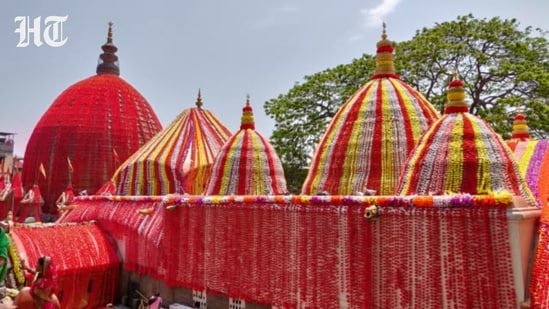
Every year, as the Ambubachi Mela begins at the revered Kamakhya Temple in Guwahati, Assam, thousands of devotees and spiritual seekers gather to be part of this unique celebration. In 2026, the festival is being observed from June 22 to June 26. One subject that often draws the most attention during this time is Tantra.
For many people, Tantra remains one of the most misunderstood aspects of Indian spirituality. The moment the word is mentioned, images of mystery, superstition, or secret practices often come to mind. However, Ambubachi Mela offers a very different perspective.
ALSO READ: Ambubachi Mela 2026: What each zodiac sign should do during these sacred days
According to astrologer Sidhharrth S Kumaar of NumroVani, the festival is often called the Mahakumbh of Tantra because it brings together one of the largest gatherings of Tantra practitioners, Shakti worshippers, saints, ascetics, and spiritual seekers in the world. More importantly, it helps people understand what Tantra truly represents.
Myth 1: Tantra is about fear and dark practices
This is one of the most common misconceptions about Tantra. Many people assume it is connected only with occult practices, secrecy, and fear. The reality seen at Ambubachi is very different. At its heart, Tantra is a path that seeks to understand energy, consciousness, and the forces that drive creation. It explores how life emerges from Shakti and how human beings can connect with that creative power.
The essence of Ambubachi is not fear. It is the celebration of Shakti, the divine feminine energy. This alone challenges many misconceptions about Tantra.
Myth 2: Tantra is only about sex
Few myths have distorted the understanding of Tantra as much as this one. While some tantric traditions acknowledge sexual energy as a powerful creative force, that is only one small aspect of a much larger spiritual system. Reducing Tantra to sexuality is like reducing yoga to physical exercise or Ayurveda to herbal remedies.
Traditional Tantra includes mantra chanting, yantra worship, meditation, breathwork, spiritual discipline, deity worship, and practices aimed at inner transformation. Ambubachi beautifully reflects this broader understanding. The festival does not celebrate sensuality. It celebrates creation and honours the sacred feminine force from which life emerges. The focus is on respect, devotion, and spiritual awareness.
ALSO READ: 8 uncomfortable truths about life, as explained by a spiritual guru
Myth 3: Tantra is separate from dharma
Many people believe Tantra exists outside mainstream spiritual traditions, but history tells a different story. Tantra developed within the wider framework of Sanatan Dharma. Although it follows its own methods and practices, its ultimate goal remains spiritual growth and self-realisation.
Some paths emphasise devotion, others focus on knowledge or service. Tantra focuses on energy as a means of transformation. The destination, however, remains the same.
Every year, Ambubachi reflects this truth through the presence of devotees and practitioners from many different spiritual backgrounds.
Myth 4: Tantra is only for sadhus and renunciates
A closer look at Ambubachi reveals that the gathering is not limited to ascetics and monks. Families attend. Women attend. Young seekers and elderly devotees participate as well. Tantra was never intended only for those who leave worldly life behind.
Its teachings can be applied by anyone seeking greater self-awareness, discipline, and spiritual growth. While lifestyles may differ, the inner journey remains open to all.
Myth 5: Tantra is only about rituals
Many people mistake tantric rituals for Tantra itself. Mantras, yantras, havans, mudras, and ceremonies certainly play an important role, but they are only tools. They are not the final goal. The true purpose of Tantra is inner transformation. A ritual performed mechanically remains just a ritual. A ritual performed with awareness becomes a meaningful spiritual practice.
Ambubachi serves as a reminder that personal growth and inner change matter far more than outward displays.
ALSO READ: Birth number vs life path number: An expert breaks down the difference
Myth 6: Tantra has nothing to do with nature
In reality, Tantra is deeply connected with nature and its rhythms. Ambubachi itself is a powerful example. The festival coincides with a period of fertility and renewal linked to the monsoon season. The annual menstruation of Maa Kamakhya is not considered impure or hidden. Instead, it is honoured as sacred and life-giving.
This reflects one of Tantra’s most important teachings: nature is one of the ways the Divine expresses itself. By observing nature closely, one can gain a deeper understanding of tantric wisdom.
Why Ambubachi is called the Mahakumbh of Tantra
A Kumbh is much more than a gathering of people. It is a meeting point of traditions, wisdom, faith, and spiritual energy. That is exactly what Ambubachi represents.
For a few days each year, seekers from different paths come together to honour Shakti as the source of creation. Some arrive in search of blessings, others in search of answers, and many in search of spiritual growth. Some feel a deep inner calling.
The lasting significance of Ambubachi lies in its ability to preserve and celebrate an ancient spiritual tradition while helping modern generations understand its deeper meaning. In doing so, it continues to keep the authentic spirit of Tantra alive.
ALSO READ: How mindfulness and intuition can help you steer your life better in the modern world
Disclaimer: The spiritual interpretations and beliefs associated with Ambubachi Mela and Tantra are based on traditional practices and cultural perspectives. Individual experiences and understandings may vary, and this article is intended for informational purposes only.
