

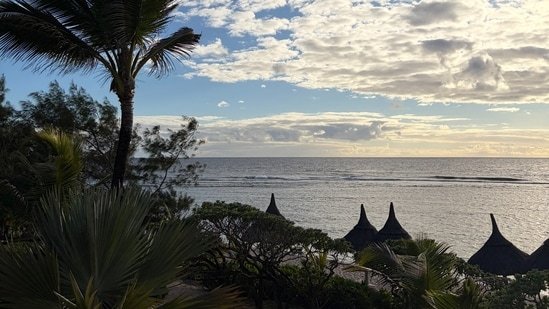
Mauritius is often sold as a picture-perfect island of turquoise lagoons, luxury resorts and honeymoon retreats. Spend a week there, though, and you discover much more. The island’s layers, shaped by Indian, African, Chinese and European influences, reveal themselves in colonial mansions beside busy food markets, volcanic interiors next to world-class golf courses, and a tourism conversation increasingly focused on sustainability, culture and meaningful experiences.
That shift is exactly what the island wants to highlight. As Mauritius Tourism Promotion Authority (MTPA) Chairman Dinesh Burrenchobay explains, “The whole idea is based on a global trend which we’ve seen… which is people wanting to do more experiential travel.” In response, Mauritius is promoting a broader offer: not just sun and sand, but also gastronomy, heritage, wellness, nature and authentic community encounters.
For travellers looking for a deeper, more immersive visit, this seven-day itinerary strikes a balanced mix of luxury, culture, adventure and slow travel.
Day 1: Ease into island life
Land at Sir Seewoosagur Ramgoolam International Airport and travel north-east toward Radisson Blu Poste Lafayette Resort & Spa, away from the busiest tourist spots. This stretch of coast feels remarkably untouched: black volcanic rocks edge the shore, waves crash over the reef, and cool trade winds temper the tropical heat.
The journey there is part of the charm. As Laurent Recoura, Chief Commercial Officer of Air Mauritius, says, “We have something that is unique… what makes the difference is the crew. Our people are native Mauritians, and what makes us unique is the Mauritian hospitality. That’s something nobody can take away from us.”
Take the afternoon to settle into your resort, then stroll the dramatic coastline as the light softens. For evening, head to Azuri Ocean & Golf Village—its marina-side restaurants serve fresh seafood and contemporary Creole-inspired dishes, a gentle, delicious introduction to island life.

Day 2: Discover the island’s culinary and colonial heritage
Begin your morning at Château de Labourdonnais, a stunning nineteenth-century colonial estate that showcases the island’s deep plantation history. You can explore the grand mansion’s elegant verandas, vintage interiors, and lush tropical gardens. Don’t miss the estate’s distillery, where you can sample locally crafted rums infused with fresh fruits and botanicals grown right on the property.

When lunchtime rolls around, make your way to Bloom Mauritius. This popular café is a beloved local gem, blending fresh ingredients with a stylish design and relaxed island charm, making it the perfect spot to unwind and recharge.
Later, escape to La Cuvette Beach, a peaceful hideaway away from the busier shores of Grand Baie. Spend a quiet afternoon swimming in the calm, clear waters before wrapping up your day with a sunset catamaran cruise. Watching the sun disappear behind the silhouette of Coin de Mire is one of those quintessential Mauritius moments that never loses its magic. End the day with cruise sun set view at the Grand Baie. Totally worth the time and probably the most peaceful time of the trip.

Day 3: Explore the cultural heart of Port Louis
To truly discover Mauritius, your journey should start in its capital. Port Louis is a lively melting pot where different cultures, histories, and flavors come together perfectly. Walking through the streets, you will see traditional Indian temples right next to Chinese pagodas and historic colonial buildings; a beautiful reflection of the diverse people who call this island home.
The local tourism board is eager for travelers to experience this authentic side of the island. As Dinesh Burrenchobay notes, “We want to see more tourists into our local restaurants, we want to see more tourists visiting our museums… and then the collateral revenue that comes to those out of hotel experiences.”
After taking in the views, head down to explore the city’s legendary street food. Make sure to try local favorites like dholl puri (warm flatbreads stuffed with yellow split peas), curry-filled rotis, spicy gâteaux piments (chili cakes), and comforting bowls of Sino-Mauritian dumplings.
You can shop for handmade local crafts at the Caudan Waterfront and enjoy a beautiful, relaxing lunch right by the marina at the Labourdonnais Waterfront Hotel.
To wrap up your day, a great place to begin is Fort Adelaide, which locals call the Citadel. This old fortress sits high above the capital, giving you incredible panoramic views of the bustling harbour, the cityscape, and the dramatic mountains in the background.

Day 4: Witness Mauritius’ commitment to regenerative tourism
Travel is no longer just about indulgence. It is deeply connected to protecting the planet, and Mauritius is actively trying to lead that global shift. A great way to see this in action is with a visit to the Odysseo Oceanarium, which teaches travellers about the island’s delicate marine ecosystems and the vital conservation work being done to save them.
For Dinesh Burrenchobay, the real goal is to look past standard eco-friendly practices. “When you do sustainable tourism, it’s a neutral effect. So you don’t do harm, you don’t do better. Regenerative is a positive effect. What it means is that when a tourist comes to a country, he leaves it in a better place than what it was before by contributing to a scheme or an action,” he adds.

After a day of learning, the perfect way to wind down is on the island’s scenic west coast. With its high-end resorts, open ocean views, and peaceful waterfront restaurants, it offers the ultimate setting to relax and enjoy a slower pace of life.
Day 5: Venture into Mauritius’ wild interior
If you only stick to the beaches, you are missing out on what makes Mauritius truly fascinating. Start your journey inland at L’Aventure du Sucre, an award-winning museum set inside an old sugar factory. It gives you a great look at how the sugar industry completely shaped the island’s history, culture, and people.
Afterward, make your way to Vallée Adventure Park (which used to be called La Vallée des Couleurs). It is a fantastic spot for a bit of excitement—you can walk across high suspension bridges, go ziplining over deep valleys, and see the island’s unique volcanic terrain. They also offer wildlife safaris where you can spot zebras, ostriches, and antelopes roaming around near beautiful waterfalls and naturally colorful rock formations.
It’s an entirely different side of Mauritius — adventurous, rugged and surprisingly wild.

Day 6: Experience luxury estate living at Anahita
If you want to experience the most exclusive side of Mauritius, a day at Anahita Golf & Spa Resort is unmatched. Stretching across hundreds of hectares, this massive estate perfectly brings together championship golf courses, high-end luxury villas, and breathtaking views of the lagoon. To truly see the property, you can jump on an off-road buggy excursion that takes you through historic sugar fields, lush mangrove forests, and hidden coastal lookouts.
The entire experience beautifully showcases how seamlessly Mauritius blends nature with luxury. Thanks to high-speed connectivity, world-class hospitality, and carefully preserved landscapes, the island has become incredibly attractive to both luxury travelers and digital nomads looking for a perfect balance of work and paradise.
Day 7: End with a castaway escape to Ile aux Cerfs
No trip to Mauritius is truly complete without spending a day at Île aux Cerfs. This stunning island is just a quick boat ride off the east coast, famous for its powdery white beaches, brilliant turquoise lagoons, and an effortless, relaxing vibe. It is the perfect spot for your final day, where you can swim, indulge in fresh local seafood, and simply take in the views before packing up for home.

Beyond its natural beauty, Mauritius is actively shaping a grander future. After welcoming roughly 1.44 million travellers recently, the country is pushing to reach two million annual visitors. To get there, tourism leaders are moving away from the old “sun, sand, and sea” playbook, instead highlighting the island’s rich culture, vibrant food scene, wellness retreats, and genuine local encounters.
India is central to this growth strategy. Pointing to the deep-rooted ties between the two nations, Dinesh Burrenchobay notes, “Mauritius is one of the rare countries where Indians get their visas on arrival. Following our visit to India, we decided that we would target precisely the modern professional Indian traveler—the independent, solo travelers, women-led groups, and those looking for bespoke luxury wellness.”
Ultimately, that forward-thinking attitude is what makes Mauritius so fascinating right now. The pristine beaches are still there, of course, but the island’s true charm lies in what happens away from the shore. It is found in the diverse flavors, the deep history, the warm hospitality, and a distinct shift toward more conscious, meaningful travel. For anyone eager to explore a bit deeper, Mauritius is a destination confidently reinventing the very meaning of island luxury.
