

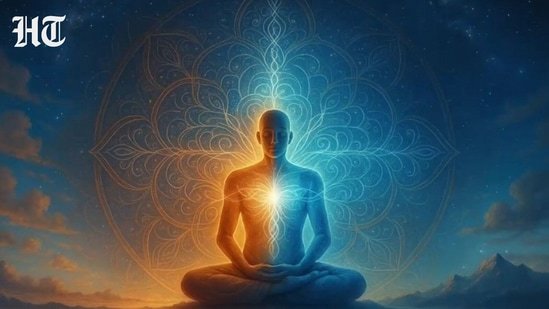
“Just a few sittings of Transcendental Meditation will reveal to you what a wealth of bliss, what a wealth of happiness, what a wealth of Being you are.”
The quote was recently shared in an Instagram post on the account dedicated to the teachings of Maharishi Mahesh Yogi, the spiritual leader who introduced Transcendental Meditation, or TM, to a global audience.
As interest in meditation and mindfulness practices continues to grow, many people are asking what Transcendental Meditation is and how it differs from other forms of meditation.
What is Transcendental Meditation?
According to the Cleveland Clinic, Transcendental Meditation is a meditation technique that involves silently repeating a mantra while sitting comfortably with the eyes closed. The practice is generally taught by certified instructors and is typically done for about 20 minutes twice a day.
Maharishi Mahesh Yogi began teaching the technique in the 1950s. Over the decades, it has gained followers around the world and has been the subject of various studies examining its potential effects on stress and well-being.
Also Read What is Transcendental Meditation? And how is it different from mindfulness meditation?
What are Transcendental Meditation mantras?
A mantra is a sound, word, or phrase that is silently repeated during meditation.
According to the official Transcendental Meditation organization, practitioners are usually given a personal mantra by a trained instructor during the teaching process. The mantra is used as a tool to help settle the mind during meditation.
The organization states that mantras used in TM are generally not publicly disclosed and are assigned as part of formal instruction.
How do you do Transcendental Meditation?
The technique is typically practiced in a quiet setting. According to the TM organization, the basic process involves:
- Sitting comfortably with your eyes closed
- Silently repeating a personal mantra
- Allowing thoughts to come and go naturally
- Continuing the practice for about 20 minutes
Why are people interested in it?
Meditation practices have become increasingly popular as more people look for ways to manage stress and improve their overall well-being.
According to the Mayo Clinic, meditation may help some people relax, cope with stress, and improve focus. However, experts also note that experiences and outcomes can vary from person to person.
While supporters of Transcendental Meditation describe it as a simple technique for promoting inner calm, health-related benefits continue to be studied by researchers.
Disclaimer: This article is for informational purposes only. Meditation practices should not be considered a replacement for professional medical or mental health care.
