

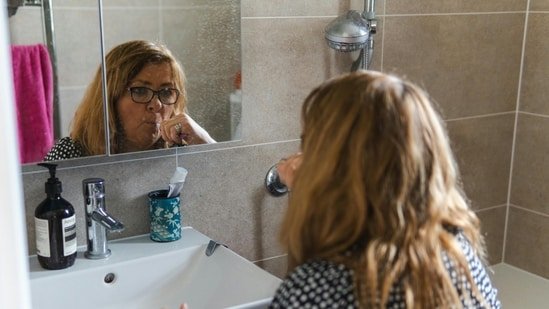
Women in India are approaching personal care with a precision that defines health conversations in 2026. The evidence sits in medicine cabinets, in the questions asked at pharmacies, in the content being consumed and shared across health communities online. Self-care this year is about targeted, consistent practice built on a genuine understanding of how the body works. In an interview with HT Lifestyle, Sangeeta Chaudhary, co-founder of Lakons, a hygiene brand, shared wellness rituals every woman should abide by.
1. Intimate hygiene with pH awareness
Sangeeta highlighted that vaginal health has entered everyday conversation among Indian women with a directness that reflects real health literacy. Women understand, with increasing clarity, that the vaginal environment is self-regulating and pH-sensitive, and that the wrong products disrupt it. The result is a deliberate, informed approach to intimate hygiene practiced daily. The daily ritual is specific: warm water cleansing, breathable cotton underwear, and consistent avoidance of fragranced products in sensitive areas.
2. Menstrual cycle tracking as a health tool
According to Sangeeta, cycle tracking has graduated from a fertility-adjacent practice to a mainstream wellness habit. Women are using apps, journals, and body literacy education to map their cycles with precision, and that data is changing how they manage their health month to month. Sangeeta said, “The practical hygiene dimension is significant. Women who track their cycles prepare for menstruation with consistency: carrying sanitary products reliably, scheduling changes at appropriate intervals, and selecting absorbency levels suited to their actual flow.”
3. Skin barrier maintenance as a daily discipline
Skincare among Indian women in 2026 is anchored in barrier function. Women understand that a compromised skin barrier, caused by over-cleansing, incorrect product pH, or chronic dehydration, underpins a wide range of conditions, including acne, eczema flares, and fungal overgrowth. The daily ritual that has emerged is restrained and functional: a gentle, low-pH cleanser, a reliable moisturiser suited to the local climate, and sunscreen applied consistently.
4. Post-exercise hygiene as a fixed commitment
Women’s participation in organised fitness has grown substantially across Indian cities and smaller towns alike. With it comes a hygiene consideration that deserves direct attention: the window between exercise and bathing, during which sweat, heat, and friction create conditions favourable to bacterial and fungal skin infections. Women who exercise regularly treat post-workout hygiene as a fixed part of the routine.
This means showering promptly after exercise, changing out of synthetic workout wear immediately, and attending to high-risk zones, including the groin, underarm, and feet, where fungal colonisation is most common. Women who menstruate and exercise manage pad or tampon changes as part of this post-exercise sequence, recognising that moisture management during and after physical activity affects both comfort and infection risk.
5. Sleep-time hygiene as repair preparation
Sangeeta said, “Sleep hygiene understood narrowly refers to sleep quality habits. Women are expanding this definition to include the physical hygiene practices that bracket sleep: thorough face cleansing before bed, clean sleepwear and bed linen changed at regular intervals, and, for menstruating women, choosing overnight protection like period panties, pantyliners, or sanitary napkins based not only on absorbency, but also on skin comfort and compatibility.”
Note to readers: This article is for informational purposes only and not a substitute for professional medical advice. Always seek the advice of your doctor with any questions about a medical condition.
