

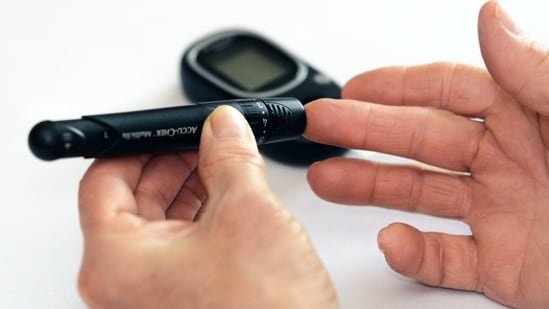
For the management of type 2 diabetes, Semaglutide, a GLP-1 receptor agonist, is now increasingly being used to help regulate blood sugar levels by increasing insulin secretion and slowing gastric emptying. However, despite the benefits of medications, certain lifestyle practices still need to be consistently maintained for effective long-term diabetes management.
For better understanding of how type 2 diabetes can be managed, Dr Ameet Soni, AVP Medical Affairs, CORONA Remedies Ltd., shared the importance of combining medication with sustainable lifestyle practices in a conversation with HT Lifestyle.
“Semaglutide works by decreasing appetite, resulting in gradual and sustained weight loss. In most cases, this drug works well for high-risk patients, as being overweight or obese is a significant contributor to insulin resistance,” she detailed.
So, while semaglutide targets some of the biggest contributors to type 2 diabetes, such as excess body weight and obesity, the doctor highlighted that the drug’s efficacy depends on how well it is incorporated into a patient’s overall plan of action. This means patients still need to integrate certain lifestyle changes, such as healthier diet and improved exercise routines, for effective long-term management.
The doctor reiterated that this drug is part of holistic strategy, not the sole solution. “The real, lasting benefits come when it is combined with simple, consistent lifestyle habits that support overall metabolic health,” Dr Soni asserted.
Dr Soni outlined the following lifestyle practices, ranging from healthier eating habits to improved workout routines:
1. Eat healthy food
Sleep management
- Aim for 7 to 8 hours of quality sleep every night. L
- ack of sleep can lead to poor blood sugar control, elevated appetite, and higher stress levels.
- Ensuring adequate sleep supports weight management and optimal insulin function.
Meditation
- Practicing mindfulness or meditation helps reduce stress, lower cortisol levels, and prevent emotional eating.
- This leads to further contributed to better diabetes management.
Blue light exposure
- Reduce exposure to blue light from phones, tablets, or computers before sleep.
- It can help improve the quality of your sleep and regulate circadian rhythm.
In the end, the doctor reiterated that medicine alone is not enough for effective diabetes management. “The modern approach to managing type 2 diabetes in high-risk patients is not just glucose management but also encompasses medication, lifestyle, and patient empowerment,” she noted.
Note to readers: This article is for informational purposes only and not a substitute for professional medical advice. Always seek the advice of your doctor with any questions about a medical condition.
