

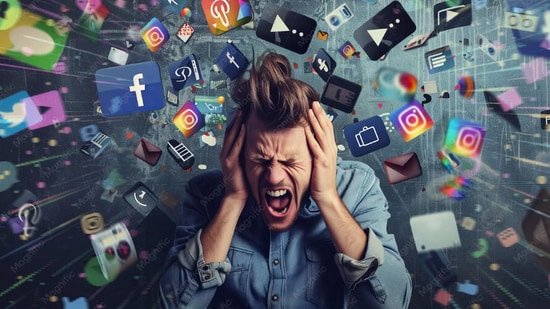
In today’s digital age, social media has become deeply woven into everyday life, shaping not only how people connect but also how they perceive themselves and others. While these platforms initially encouraged authentic sharing and connection, experts believe the growing pressure to maintain a visually perfect online image is creating a significant mental and emotional burden. (Also read: Mother’s Day special: Understanding the hidden ‘mental load’ mothers carry every single day )
Understanding the pressure of curating a “perfect” life online
In an interview with HT Lifestyle, Dr Vaishaly Bharambe, MBBS, MD, PhD-Anatomy, counsellor, medical educator, and founder of VB Anatomy Academy, explained how social media has gradually shifted from a space of authenticity to one driven by aesthetics and comparison.
“Each one of us is given one life, one life in which we live, we learn, we stay healthy, we love, we form relationships, we age, and eventually die. But social media has created an alternative existence, one that is completely virtual,” she explains.
According to her, the early phase of social media encouraged genuine sharing and helped people stay connected across distances without requiring constant direct communication.
“This phase was rooted in authenticity. People shared their real lives, experiences and emotions, creating a positive sense of connection,” she says. However, she notes that over time, comparison slowly became central to the online experience.
“The focus gradually shifted from authenticity to competition, my life versus yours. This gave rise to FOMO, the fear of missing out, where people constantly compare their realities with curated versions of others’ lives,” Dr Bharambe explains.
How aesthetics began replacing authenticity
Dr Bharambe points out that social media today often prioritises polished perfection over reality. “The aim is no longer to present life as it truly is, but to present it as visually perfect, curated and aesthetically appealing,” she says.
She further explains that this shift has intensified because online aesthetics are now closely tied to income and influence. “For many influencers, curating an ideal lifestyle is no longer just personal expression, it is a profession and a source of livelihood,” she notes. This constant need to maintain an online persona can create a serious mental burden over time.
“The challenge is that individuals begin managing two existences simultaneously, their real self and their curated digital self. Maintaining this dual identity can become emotionally exhausting,” she explains.
Mental health impact of living through an online persona
According to Dr Bharambe, prolonged attachment to a curated online image can eventually create confusion about one’s authentic identity. “Some people begin believing in the persona they have created online, only to experience emotional distress when reality no longer matches that image,” she says.
She adds that spending more time perfecting an edited version of life can weaken self-awareness and emotional connection. “When people stop investing time in understanding their real selves and instead focus on presenting a filtered identity, it can lead to loss of originality, confusion and disconnection from one’s authentic personality,” she explains. This disconnect, she warns, can eventually affect personal relationships and emotional stability as well.
Dr Bharambe believes it is important to consciously step back from the pressure of creating a perfect online identity. “It is time we stop curating flawless lives for social media and instead focus on building meaningful and authentic lives in reality,” she concludes.
According to her, embracing authenticity over aesthetics can help individuals reconnect with themselves, reduce emotional exhaustion and build healthier relationships both online and offline.
Note to readers: This article is for informational purposes only and not a substitute for professional medical advice. Always seek the advice of your doctor with any questions about a medical condition.
