

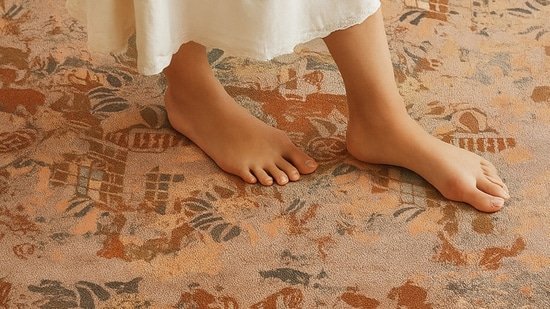
Rugs and carpets are often the quickest way to shift the mood of a room. A single piece can refresh a tired corner, add warmth, and draw the eye downward in a way few other elements can. Yet, for something that seems so simple, choosing the right rug can bring its own set of questions around size, placement, and how it will sit with the rest of the space.

A more considered approach helps. As Anushka Ahuja, co-founder of Studio by Agni, explains, “Choosing the right rug can significantly influence how a space feels and functions. Beyond adding warmth and texture, a well-chosen rug helps define areas, anchor furniture, and bring different elements of a room together.”
There is also the everyday reality of use to think about. An executive from Bent Rugs adds, “When choosing the perfect rug for your space, it is all about finding the right balance of style, comfort, and durability.”
How to place your rug as per your room size?
Getting the placement right is where most people go wrong. A rug might look perfect on its own, but if the size does not work for the room, the entire setup can feel slightly off without it being obvious why.
The fix is simpler than it seems. It comes down to how the rug relates to your furniture. As Anushka Ahuja explains, “The scale of the rug should correspond with the furniture layout. In living rooms, a rug should ideally sit under key furniture pieces, with at least the front legs of sofas and chairs resting on it. This helps create a cohesive and well-defined seating area.”
Think of the rug as the base that ties everything together. If it is too small, furniture ends up floating, and the space feels disconnected. Once the size is right and the placement lines up with your seating, the room starts to feel more put together, with a clear sense of structure.
What are the best materials for rugs?
Anushka shared, “Different materials serve different purposes. Durable fibres such as wool work well in high traffic areas, while softer textures can add comfort and warmth in bedrooms or more relaxed spaces.”
- Wool is a reliable choice for areas that see a lot of movement, thanks to its durability.
- Cotton works well for lighter use spaces and is easy to maintain.
- Jute and other natural fibres bring a more textured, earthy feel and suit casual settings.
- Silk adds a softer, more refined finish, best kept for low-traffic areas.
- Synthetic materials like polyester and polypropylene are practical, often easier to clean, and suited for everyday use.
How do you choose the right rug colour and pattern for your home?
Colour and pattern are where a room starts to feel personal, but it is also where things can tip into excess if not handled carefully.
The key is to decide the role the rug needs to play. It can either hold attention or quietly support everything else in the room. As the team at Bent Rugs puts it, “Rugs can be a statement piece or a subtle complement. If you want to add personality, experiment with bold, eye-catching patterns and colours. If you prefer something timeless, go for neutral tones that blend effortlessly into the space.”
A patterned rug can lift a neutral room and add movement, while softer tones help steady spaces that already have strong colours or standout furniture. Getting this balance right makes the room feel considered without trying too hard.
How does rug texture affect the look and feel of a room?
Texture can quietly shape the mood of a space in a big way. Softer styles like shag or plush weaves bring a sense of softness to the space and make a room feel more relaxed, especially in bedrooms or lounging areas. On the other hand, flatter or more structured weaves add definition and help a space feel more defined. Choosing the right texture comes down to how you want the room to feel underfoot and how it fits into the overall setting of your design theme.
How do you pick a rug that is easy to maintain?
Upkeep is often an afterthought, but it plays a big role in how you use a rug in your daily life and whether you will be able to make it last for years or get tired of it and skip it altogether.
Lighter shades and delicate materials tend to need more care, especially in areas that see constant use. For busy spaces, it makes sense to lean towards darker tones, durable fibres, and finishes that can handle regular wear. A rug might look perfect in a showroom, but choosing one that fits your routine at home makes all the difference in the long run.
Similar articles for you
Cushion covers to brighten up your rooms this summer; My top 8 picks
Office chairs with lumbar support: Understanding why this is important for your back
Switched my armchair to an ergonomic office chair: Changed how I work from home
The author of this article holds a Master’s Degree in Interior Design and has spent over a decade in research, teaching, and designing homes from scratch.
Disclaimer: At Hindustan Times, we help you stay up-to-date with the latest trends and products. Hindustan Times has an affiliate partnership, so we may get a part of the revenue when you make a purchase. We shall not be liable for any claim under applicable laws, including but not limited to the Consumer Protection Act, 2019, concerning the products. The products listed in this article are in no particular order of priority.
