

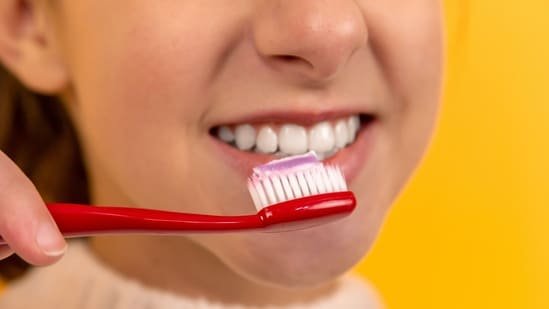
Do you brush regularly? It’s a non-negotiable hygiene practice. But despite keeping up with it and being consistent, your teeth may still appear yellow, triggering concern over the underlying cause. After all, brushing is meant to clean everything off the enamel. But apparently, that alone is not always enough.
We asked Dr Shraddha Bahirwani, centre head and senior consultant at Happiest Pearls in Bengaluru, who disclosed that despite regular brushing, many can experience yellowing of teeth.
Why does tooth discolouration happen?
“Tooth discolouration can result from ageing, genetic predisposition, dietary habits, developmental changes during tooth formation, certain medications, and lifestyle choices such as smoking or vaping,” she revealed. It shows that tooth discolouration is not because of only one factor, but rather a mix of internal (genetics, ageing and tooth development) and external influences (diet, smoking, medications), which means brushing alone cannot address all causes. This means relying only on oral hygiene will not protect your teeth from yellowing. There are several different reasons, but the dentist warned that inadequate oral hygiene may further aggravate the condition.
But how does the yellow colour show? “The enamel may be naturally thin and translucent, allowing the underlying dentine to show through, giving teeth a yellowish appearance. A similar effect is seen with ageing, as enamel gradually wears down over time,” she described.
Diet
Diet is another reason yellowing of teeth occurs. “Frequent consumption of aerated beverages, coloured foods, tea, coffee, and wine can lead to staining,” she said, naming which ones are harmful for your teeth. But when you continue to consume these, she cautioned that prolonged exposure may cause them to penetrate deeper layers of the teeth, making them more challenging to treat.
Tobacco
Similarly, tobacco and smoking also cause yellowing. “Deposition of nicotine and tar, resulting in stubborn stains that cannot be removed by brushing alone,” Dr Bahirwani noted. And brushing won’t be enough to remove the tartar buildup, which makes the teeth look yellow. Only professional dental cleaning can fix this.
Fluorosis
Beyond diet and lifestyle, environmental factors also play an important role in tooth discolouration. “Fluorosis is another important cause of discolouration, particularly in certain parts of India where fluoride levels in drinking water are high,” the dentist explained. “This condition, often linked to well water consumption during childhood, leads to intrinsic staining that usually requires cosmetic intervention.”
Medicines
“Certain medications, such as tetracycline and iron supplements, are also known to cause discolouration,” the dentist noted that certain causes can also be medication-related.
Tooth trauma
Dr Bahirwani also explained that trauma to a tooth may result in a change in its colour, often requiring specialised treatment such as root canal therapy, followed by restorative procedures like ceramic crowns
Treatment
The treatment for tooth discolouration depends on its underlying cause. The dentist explained, “Professional cleaning and bleaching are effective for managing surface stains and improving overall appearance. In more resistant cases, cosmetic solutions such as veneers, laminates, or crowns may be recommended to restore both the colour and structure of teeth.”
Preventive care
Preventive oral care remains essential in maintaining healthy teeth. The dentist recommended brushing twice daily, along with regular dental check-ups, to help in the early detection and management of potential issues. Rinsing the mouth after meals, staying well-hydrated, and limiting the intake of staining foods and beverages can also further reduce the risk of discolouration.
Note to readers: This article is for informational purposes only and not a substitute for professional medical advice. Always seek the advice of your doctor with any questions about a medical condition.
