

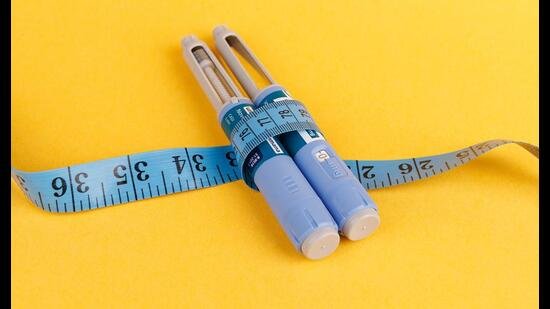
It first happened a few months ago, when I was at a party. A group of us were standing around and chatting when a lady of our acquaintance entered the room. Everyone smiled and waved, but the moment she moved out of earshot, the whispers began. “She’s lost so much weight; she must be on the jab!” “Have you seen how gaunt she is looking? It’s all those injections!”
And that’s how I was introduced to this new society phenomenon: Ozempic shaming. This occurs whenever a person who has been a little portly suddenly turns up looking suspiciously slim. They may swear that they’ve just been eating sensibly and working out to knock off the extra pounds. But the society aunties – and uncles, this is a gender-neutral game – will jump straight to Ozempic (or, more recently, Mounjaro) shaming. Oh, they will exclaim airily, there is no way he/she has lost all that weight without some help from the pharmaceutical sector.
The judgement, of course, comes with a side order of moral superiority. The Ozempic users, or so the shamers sneer, simply don’t have the will power to lose their weight the old-fashioned way. It is too much trouble to eat less and exercise more; so these lazy lay-abouts just jab themselves in the stomach once a week and let the GLP 1 inhibitors do their work. After all, why bother with endless gym sessions and cabbage-soup diets when modern medicine has handed us a short-cut to slimness?
This kind of judgmental snippiness is becoming all too common as the use of GLP 1 drugs increases in India. But what the people, who are making all these moral judgements about what is essentially a medical intervention, do not realise is that tackling obesity is not as simple as calculating food deficits and working out in the gym. On the contrary, obesity is a complicated medical issue that only qualified medical professionals can tackle, not jumped-up ‘fitness influencers’ and ‘gym bros’. And sometimes, to tackle these medical issues, medicines are necessary. Just as those with high blood-pressure need medical help, so do people with obesity.
Amidst all this sneering, it is easy to lose sight of the fact that these GLP 1 drugs are medicines that have a great effect on your overall health. They control sugar levels in diabetic patients (for whom these drugs were designed in the first place). They improve cardiovascular health in people with heart problems. They help bring down your cholesterol and improve the health of your liver. They reduce the desire to smoke and drink, and help those with drug addictions as well. And now, there is some evidence to suggest that they may help with inflammatory diseases too.
Sure, there are some people who are using these drugs to bring about a cosmetic improvement in their appearance. But that fact does not change the essential nature of the drugs in question – or the benefits they bring to those that need them. So, when you Ozempic-shame someone who is on them, what you are really indulging in is a bit of old-fashioned fat-shaming. It may be framed differently, but the moral judgement hits just the same.
And those that delight in shaming other people are pretty shameful themselves.
From HT Brunch, March 21, 2026
Follow us on www.instagram.com/htbrunch
