

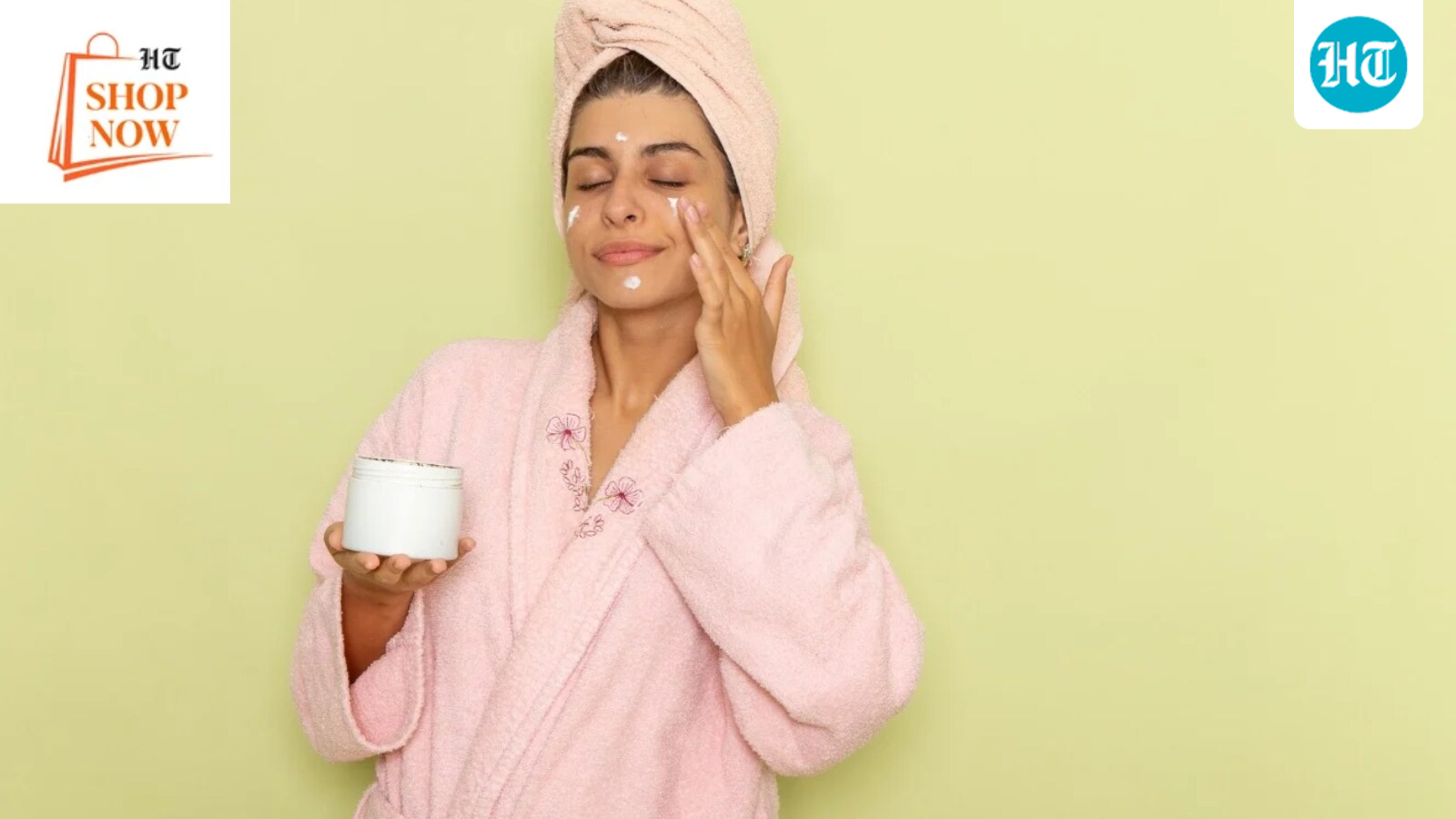

The weather in most parts of India has already started to change, and with the temperatures dropping, your skincare too needs a revamp. It’s time to bring your cold creams to the forefront. Known for its thick, creamy texture, cold cream is valued for its ability to moisturise, soften and cleanse the skin.
While modern skincare routines are increasingly dominated by serums, lightweight gels and active ingredients, cold cream continues to offer a simple approach to everyday skincare. Its rich formulation makes it particularly useful for people dealing with dryness, rough patches and moisture loss. But is cold cream suitable for everyone, and what makes it different from regular moisturisers? Here’s everything you need to know.
What is cold cream?
Cold cream is a rich, oil-based skincare formulation traditionally made using ingredients such as mineral oil, beeswax and water. It is generally formulated as a water-in-oil emulsion, meaning tiny water droplets are dispersed within an oily base. This gives it its characteristic thick consistency and helps create a protective layer on the skin.
The word ‘cold’ refers to the cooling sensation that traditional formulations can produce when applied to the skin. Cold creams have traditionally served two purposes: cleansing and moisturising. Their oil-rich composition helps dissolve makeup, dirt and excess oil, while the emollient ingredients soften the skin and help reduce moisture loss.
Modern cold creams may contain additional ingredients, including glycerin, botanical extracts and other moisturising agents. Therefore, checking the ingredient list is important before choosing one.
Benefits of using cold cream
1. Provides intense moisturisation
One of the biggest benefits of cold cream is its ability to moisturise dry skin. Its rich, oil-based formulation helps soften the skin and reduce moisture loss. Unlike lightweight lotions, which may feel insufficient for extremely dry skin, cold creams offer a more nourishing texture that can be particularly useful during colder months.
2. Helps protect the skin barrier
The skin barrier plays an important role in retaining moisture and protecting the skin from external irritants. Cold creams containing occlusive ingredients can form a protective layer over the skin, helping reduce transepidermal water loss. This can be beneficial when the skin feels dry, tight or uncomfortable.
3. Helps remove makeup and impurities
Cold cream has traditionally been used as a cleansing product. Its oil-rich texture helps loosen makeup, including certain long-wearing and waterproof formulations. Massage a small quantity gently onto the face and remove it with a soft, damp cotton cloth or rinse according to the product instructions. Follow up with a gentle cleanser if needed.
4. Softens rough and dry patches
Dryness can leave the skin feeling rough, flaky and uneven. The emollient properties of cold cream help soften the skin by filling spaces between dry skin cells. It can be useful on areas such as elbows, cheeks, hands and other particularly dry patches.
5. Offers comfort during winter
Cold weather, low humidity and indoor heating can contribute to moisture loss, making the skin feel dry and irritated. A richer moisturising product can help address seasonal dryness. Cold cream can be a useful addition to a winter skincare routine, particularly for people with dry skin.
6. Helps improve the appearance of flaky skin
When the skin becomes dehydrated, it can develop visible flakes and an uneven texture. Regular moisturisation helps improve skin softness and smoothness. Applying cold cream to dry areas can make the skin appear more supple and comfortable. However, it is not an exfoliating treatment and should not be used to scrub away flakes.
7. Can be used on multiple dry areas
Depending on its formulation and product instructions, cold cream can be used on different areas of the body that need extra moisturisation. From dry hands and elbows to rough patches on the face, its versatile texture makes it a convenient skincare product. Always check whether the particular product is suitable for facial or body use.
How to use cold cream in your skincare routine
Using cold cream is relatively simple. If you are applying it as a moisturiser, start with clean skin and gently pat your face dry, leaving it slightly damp. Take a small amount of cream and spread it evenly over the areas that need moisturisation. Massage gently until distributed.
If you are using it as a makeup remover, apply it to dry skin and massage gently to loosen makeup. Remove the residue using a soft cloth or as directed on the packaging. Follow with a gentle face wash if necessary.
For daytime use, finish your routine with a broad-spectrum sunscreen with SPF 30 or higher. Cold cream does not provide sun protection unless the product specifically mentions an adequate SPF rating.
Is cold cream suitable for all skin types?
Cold cream can be particularly beneficial for dry and normal skin types because of its rich, moisturising properties. However, people with oily or acne-prone skin may find its heavier texture uncomfortable. Some formulations may also contribute to clogged pores in people who are prone to breakouts.
Those with sensitive skin should look for fragrance-free formulations and check the ingredient list for potential irritants. It is also advisable to perform a patch test before incorporating a new product into your routine.
The American Academy of Dermatology recommends choosing fragrance-free creams or ointments for dry, sensitive skin and selecting moisturisers according to individual skin needs.
Things to consider before buying cold cream
Before purchasing a cold cream, consider your skin type and the ingredients in the formulation. Look for moisturising ingredients such as glycerin, mineral oil, petrolatum or shea butter, depending on your skin’s requirements. If you have sensitive skin, avoid unnecessary fragrance and ingredients that have previously irritated.
Also, remember that cold cream is primarily a moisturising and cleansing product. It does not replace sunscreen, acne medication or treatments prescribed by a dermatologist.
Similar articles for you
10 skincare products now available at lower prices: Add them to your cart right now
Blushes are having a moment, and here are 10 blushes we are obsessed with for a natural glow
At Hindustan Times, we help you stay up-to-date with the latest trends and products. Hindustan Times has an affiliate partnership, so we may get a part of the revenue when you make a purchase. We shall not be liable for any claim under applicable laws, including but not limited to the Consumer Protection Act, 2019, with respect to the products. The products listed in this article are in no particular order of priority.
