

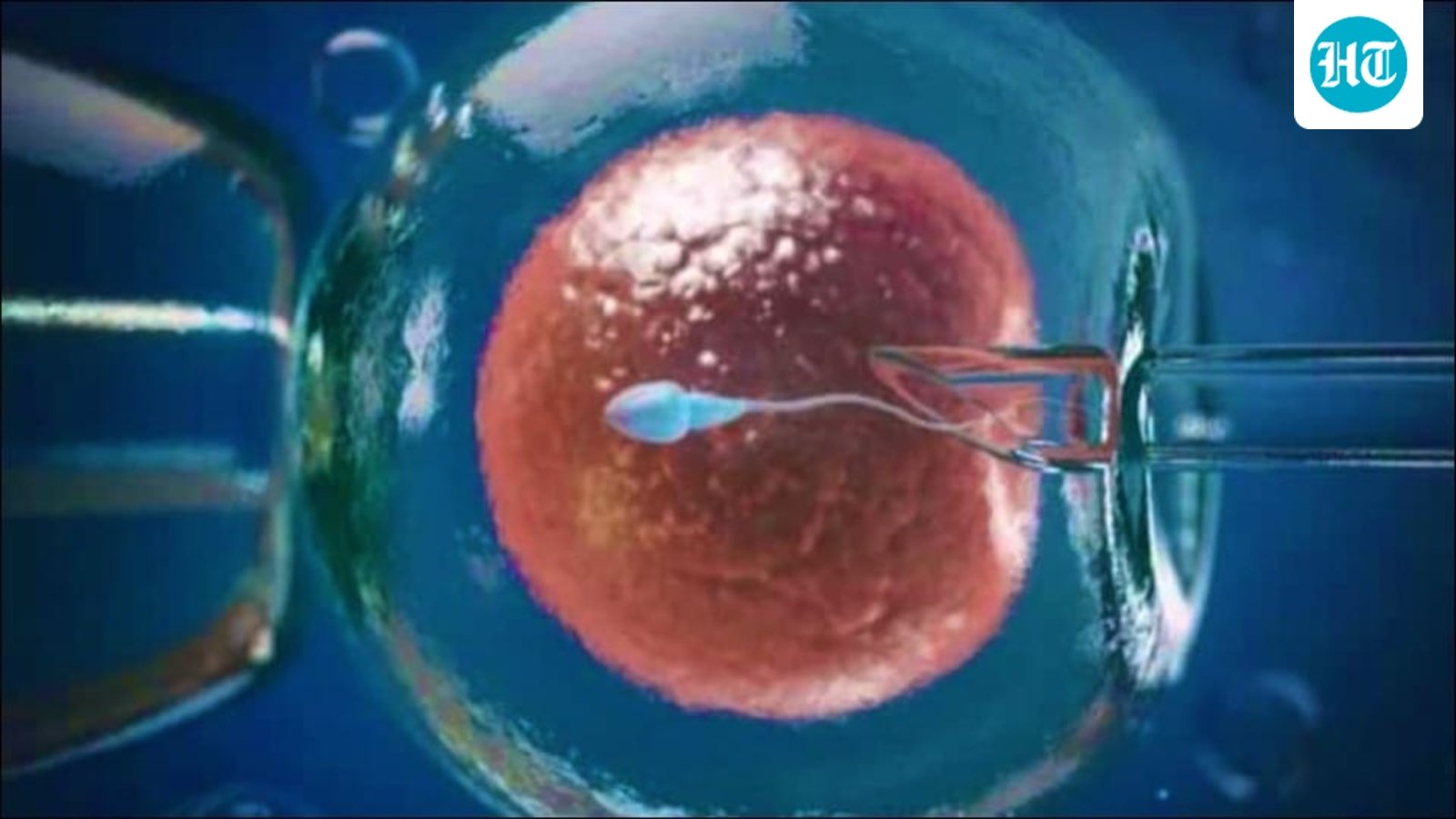
Detox diets and cleanses are gaining attention among people preparing for IVF, but healthy, evidence-based habits matter more than quick fixes. Preparing for IVF can make couples more conscious about their health and lifestyle. This has also led to growing interest in the “fertility detox” trend, where people follow juice cleanses, restrictive diets, herbal products, or supplements in the hope of removing toxins and improving fertility.

“While the idea may sound appealing, there is limited evidence that a special detox can ‘cleanse’ the reproductive system or improve IVF success. The body already has natural systems, mainly the liver and kidneys, that process and remove waste. Instead of looking for a quick cleanse before IVF, focus on overall health and follow medical advice,” Dr Shikha Malik, Fertility Specialist, Nova IVF Fertility, Kalyan, Mumbai, tells Health Shots.
What does a fertility detox usually involve?
Fertility detox programs can include fasting, juice diets, eliminating certain foods, herbal drinks, or taking multiple supplements. Some programs may also promote products that claim to balance hormones or remove toxins from the body. However, there is no established medical detox that can clean the uterus, ovaries, or sperm before IVF. Some restrictive diets can also make it difficult to get enough protein, vitamins, minerals, and calories.
Can detox improve IVF success?
There is no strong evidence that detox diets directly improve egg quality, sperm quality, implantation, or IVF success rates. Fertility is influenced by several factors, including age, ovarian reserve, sperm health, underlying medical conditions, and the cause of infertility. Rather than focusing on detoxification, couples should work with their fertility specialist to identify factors that can actually be addressed before treatment.
What should couples focus on before IVF?
A balanced diet rich in vegetables, fruits, whole grains, pulses, nuts, seeds, and adequate protein can support overall health. Regular physical activity, adequate sleep, and maintaining a healthy weight are also important. Smoking and tobacco should be avoided, and alcohol intake should be discussed with the treating doctor. Existing conditions such as diabetes, thyroid problems, or high blood pressure should also be appropriately managed.
Tips before starting IVF
The “fertility detox” trend may sound like a simple way to prepare the body for IVF. Still, there is no proven cleanse that can remove reproductive “toxins” or guarantee better fertility outcomes.
• Avoid extreme fasting or restrictive detox diets.
• Do not take herbal products or supplements without medical advice.
• Eat a balanced and varied diet.
• Stay physically active as advised.
• Get adequate sleep.
• Avoid smoking and tobacco.
• Discuss medicines and supplements with your fertility specialist.
• Follow the IVF team’s recommendations and prescribed treatment.
A healthier approach is to focus on nutrition, sleep, physical activity, medical conditions, and evidence-based fertility care. Before starting any detox, diet, or supplement program, couples should discuss it with their fertility specialist.
(Disclaimer: This article is for informational purposes only and is not a substitute for professional medical advice. Always seek the advice of your doctor with any questions about a medical condition.)
