

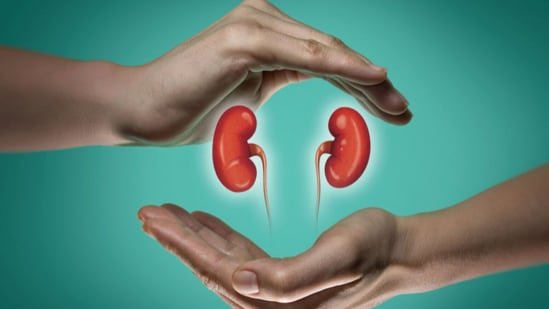
Kidneys play a vital role in keeping the body healthy, acting as the body’s natural filtration and balance system. These bean-shaped organs clean the blood, remove waste and maintain chemical stability in the body — functions that are essential for overall health.
Despite their importance, kidney health is often overlooked until problems begin to surface. India has an estimated 138 million people living with Chronic Kidney Disease, the second-highest burden globally after China. According to the latest data from Global Cancer Observatory (GLOBOCAN), kidney cancer accounts for roughly 1.2% to 1.3% of total cancer cases in the country.
This World Kidney Day, experts are highlighting key habits and lifestyle choices that can help protect kidney health.
Higher risk groups
Kidney disease has traditionally been associated with older adults or patients with diabetes and hypertension. However, observations from District Hospital Chhatarpur in Madhya Pradesh suggest that younger patients may also be at risk, with an increasing number of men under 30 presenting signs of renal dysfunction.
Dr Ruju Gala, consultant nephrologist at Dr LH Hiranandani Hospital in Mumbai, added that certain occupational exposures may increase risk. “People working with petroleum byproducts, gasoline compounds, heavy metals such as cadmium, or in asbestos-related industries may have a higher susceptibility to kidney cancers. For them, regular screening is important,” she said.
Plant-based diets lower kidney cancer risk
A study published in the British Journal of Cancer, which analysed data from more than 1.8 million people across three continents, found that vegetarians have a 28% lower risk of developing kidney cancer.
Dr Aurora Pérez-Cornago, the study’s principal investigator, said, “This study is really good news for those who follow a vegetarian diet because they have a lower risk of several cancer types, including kidney cancer.” The findings are particularly relevant in India, where vegetarian diets are widely followed as part of cultural traditions.
Dr Sanjiv Saxena, chairman and senior consultant at the Institute of Renal Science at PSRI Hospital, explained, “Non-vegetarian diets are high in protein and generate more metabolic acids, which increases substances such as urea, creatinine and uric acid that the kidneys must filter.” He added that plant-based foods such as garlic, apples, berries and cabbage are easier for the kidneys to process and may help reduce oxidative stress.
Routine tests for early detection
Doctors say kidney diseases are broadly divided into medical and surgical conditions, with kidney cancer falling into the latter category. The most common form is Renal Cell Carcinoma (RCC).
According to Dr Hemal Shah, nephrologist at Saifee Hospital in Mumbai, early detection can significantly improve outcomes. “Kidney cancer can often be detected through a simple sonography,” he said, adding, “Individuals over the age of 50 should undergo an annual ultrasound screening to improve chances of complete cure.”
Doctors also recommend routine kidney screening tests, especially for people with diabetes, hypertension or a family history of kidney disease.
Dr Madhavi Dadwe, consultant nephrologist at Ruby Hall Clinic, Pune, highlighted two important tests. “The uACR urine test helps detect early kidney damage by identifying protein leakage in urine, often before other symptoms appear,” she said. She also added that the eGFR blood test measures how well the kidneys are filtering waste from the blood and is typically done alongside the uACR test to assess overall kidney function.
Monitoring blood pressure is also crucial. “Keeping blood pressure below 120/80 is ideal, as high blood pressure is one of the leading causes of kidney damage,” Dr Dadwe said.
Limit the overuse of painkillers
Dr Mandeep Singh Malhotra, oncologist at Art of Healing Cancer, warns that long-term use of common, over-the-counter Nonsteroidal anti-inflammatory drugs (NSAIDs) may harm kidney function by damaging its tissue over time. “Painkillers such as Brufen and Voveran work by blocking enzymes that reduce pain and inflammation, but they can also interfere with the kidneys’ natural repair mechanisms,” he said.
For safer alternatives, he noted that Paracetamol is generally considered less harmful to the kidneys when taken in appropriate doses. Some medications used for nerve-related pain, such as Gabapentin or Duloxetine, may also help manage chronic pain with less impact on kidney function. Other similar, safer options include topical pain-relief gels such as Diclofenac.
Lifestyle habits that support kidney health
Experts emphasise that everyday lifestyle choices can significantly reduce the risk of kidney disease and cancer. Dr Dadwe suggests avoiding long-term use of NSAIDs, quitting smoking and maintaining a healthy weight are key preventive steps. “Tobacco use can nearly double the risk of kidney cancer, and obesity is linked to a significant number of kidney cases globally,” she said.
Experts also caution against frequent consumption of cola and other sugary beverages. These drinks are often described as “empty calories” because they mainly contain sugar and water with little nutritional value. Over time, excessive intake can contribute to weight gain, obesity and increased thirst, all of which may negatively affect overall health.
Furthermore, in tropical countries, the prevalence of Chronic Kidney Disease tends to be higher among people who drink insufficient water while working in hot and humid environments. Prolonged dehydration in such conditions can increase the risk of kidney problems, including frequent urinary stones and a condition known as heat stress nephropathy.
“Water is often described as a form of medicine for the body. However, both too little and too much can be harmful to health. At the same time, excessive water intake without proper electrolyte balance can also pose risks. During intense physical activity, such as marathon running or prolonged exercise, drinking only plain water without electrolytes may lead to dangerously low sodium levels in the blood. This condition, known as hyponatremia, can become life-threatening if not addressed promptly,” says Dr. Sudhiranjan Dash – Senior Consultant & Academic Head, Department of Nephrology, Sir H. N. Reliance Foundation Hospital, Mumbai.
Regular physical activity also plays an important role. Experts recommend 150 to 300 minutes of moderate exercise each week, such as brisk walking, to support overall kidney health.
