

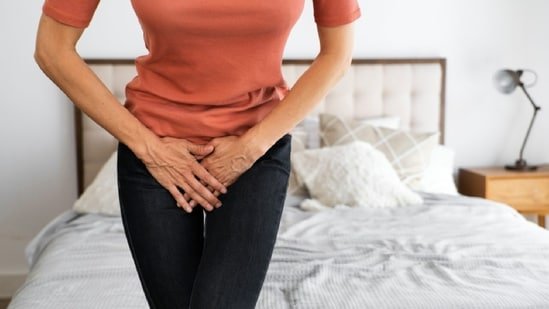
Women often associate menopause with hot flashes and mood swings. While those are certainly real, there is a more personal shift that many women experience during this transition phase: changes in bladder health. This can show up in different forms, including urinary incontinence, a feeling that the bladder isn’t empty, and the need to strain the pelvic muscles sometimes.
Dr Indira Sarin, Consultant – Urogynecology, Narayana Hospital, Jaipur, explains why this happens. As estrogen levels dip, the tissues in the urinary tract – including the bladder lining, the urethra, and the pelvic muscles – begin to lose their elasticity and thin out. These changes occur gradually and eventually disrupt our lives,” Dr Sarin explains in an interview with Health Shots.
If you are in the perimenopause or menopause phase, this explains why you may find yourself scouting for the nearest toilet the moment you enter a building or new space.
“Lower estrogen levels make the bladder more ‘irritable’ or sensitive. You might feel a sudden, intense urge to go even when your bladder isn’t actually full. This often follows us into the night, leading to broken sleep and that heavy, ‘foggy’ feeling the next morning,” adds the expert.
Many women find that coughing, laughing, or a quick jog may suddenly lead to a small leak. This is usually due to weakened pelvic floor muscles that can no longer support the bladder as firmly as they once did. It’s incredibly common, yet it has a way of chipping away at our confidence and making us second-guess social plans or workout classes.
Signs of Urinary bladder dysfunction
Menopause may not always make you want to go to loo too much. Sometimes, the biological changes may also make it difficult to go at all. You might find:
- A weak or “stop-start” stream.
- A feeling that you haven’t quite finished, even after you’ve tried to empty your bladder.
- The need to strain or push, which happens as pelvic muscles lose their coordination.
- When the bladder doesn’t empty completely, it creates a “stagnant” environment where bacteria can thrive, leading to the frustrating cycle of recurring UTIs.
Increased risk of urinary infection
We often discuss vaginal dryness, but that same thinning of tissue affects the urinary tract. It can cause a persistent feeling of pressure, irritation, or a stinging sensation that feels exactly like an infection, even when a test comes back negative.
How to manage bladder health during menopause?
Dr Sarin suggests practical, gentle approaches to help manage these bladder problems during menopause:
- Stay hydrated: It sounds counterintuitive, but staying hydrated helps. Concentrated urine can actually irritate the bladder more. Just try to limit caffeine and alcohol, which act as ‘triggers’.
- Strengthen your pelvic floor: Kegels aren’t just a cliche. They really help rebuild the support system your bladder relies on.
- Listen to your body: If you’re feeling discomfort, don’t just brush it off as ‘getting older’. Take charge of your health.
“If you spot these signs early and chat about them with friends or a doctor, you can stay active, confident, and comfortable,” concludes Dr Sarin.
(Note to readers: This article is for informational purposes only and not a substitute for professional medical advice. Always seek the advice of your doctor with any questions about a medical condition.)
