

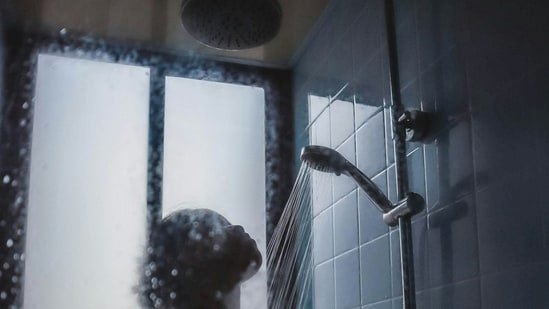
When one is in the shower, it is a common experience to imagine being called by name or the phone ringing. Hearing sounds which do not actually exist is a normal phenomenon, explained Dr Karan Rajan, a UK-based surgeon and health content creator, in an Instagram post on February 1. The phenomenon is known as auditory pareidolia.
What is auditory pareidolia?
According to Dr Rajan, the brain is wired to detect patterns as a survival mechanism. Therefore, when it hears white noise such as the sound of running water, it basically records it as “auditory software glitches,” but does not simply ignore it.
Instead, it scans the individual’s “memory bank” for familiar sounds and projects them onto the noise. This may include sounds of someone crying out for help, the phone ringing, or the name of the individual being called out.
“Your brain fills in the gap with what it expects to hear, not what’s actually there,” he said. “Your brain is gaslighting itself.”
The reason behind auditory pareidolia is the same as why some people claim to see faces in clouds of Jesus on toast. However, what makes it creepier is that with sound, the brain initially believes it is real. A person cannot tell it is an illusion at first, which is why, when they hear such noise in the shower, they turn off the water only to be met with complete silence.
Link to shower thoughts
The same pattern-matching system that causes auditory pareidolia is also why we often get our best ideas in the shower, stated Dr Rajan.
“When your brain is not overwhelmed with sensory input, your default mode network activates. This is linked to creativity and insights. Low stimulation forces your brain to fill the void, and sometimes, it fills it with problem-solving instead of existential dread and phantom screams,” he explained.
“It’s not just showers. Hoovering, brushing your teeth, driving on a highway, washing the dishes – all boring activities with white noise in the background, all trigger the same creative state in your brain. Your brain needs that monotony to wander and make unexpected neural connections.”
Thus, sometimes if we want to unlock more creativity, we can try doing something incredibly boring first.
Note to readers: This article is for informational purposes only and not a substitute for professional medical advice. Always seek the advice of your doctor with any questions about a medical condition.
This report is based on user-generated content from social media. HT.com has not independently verified the claims and does not endorse them.
