

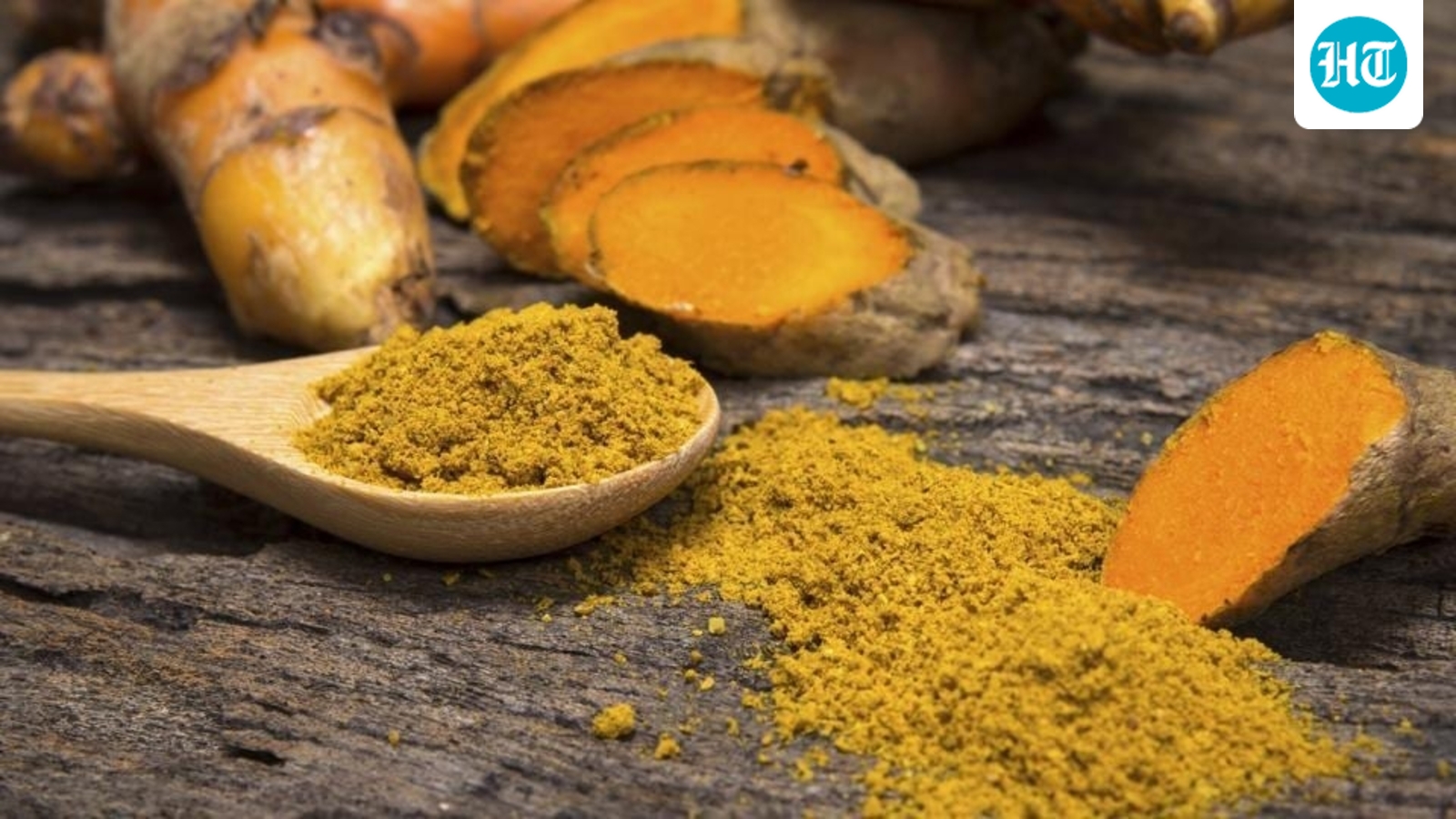
When you think of spices that add flavour to your food and also offer health benefits, turmeric is a top choice. Often called “The Indian Saffron,” this bright yellow spice enhances the flavour of curries. It may help fight cancer. Its active ingredient, curcumin, is becoming important in cancer treatment and prevention. But how does this golden spice help reduce inflammation and fight cancer?
What are the benefits of curcumin in turmeric?
Curcumin, also known as Diferuloylmethane, is the substance that gives turmeric its bright yellow colour and its health benefits. Research from the National Cancer Institute shows that in countries where people consume 100-200mg of curcumin daily, there are lower rates of certain cancers, such as breast, bowel, stomach, and skin cancer. This information prompts consideration of how increased curcumin intake could improve health.
Surgical oncologist Dr Saurabh Kumar Arora tells Health Shots, “Curcumin can slow down the growth and spread of cancer cells. It works by blocking certain chemicals that help cancer progress.” This is especially important during treatments such as chemotherapy and radiotherapy, as curcumin can increase cancer cells’ sensitivity to these therapies, thereby enhancing their overall effectiveness.
What is the role of curcumin in cancer?
How does curcumin help with cancer treatment? Dr Arora explained several important ways in which curcumin works. “First, it acts as a strong antioxidant, which protects healthy cells from the harmful effects of chemotherapy and radiotherapy. This has two benefits: curcumin not only enhances the effectiveness of conventional treatments but also reduces their side effects.”
Curcumin helps protect against cancer and can slow down the change of healthy cells into cancer cells. It works by blocking harmful chemicals that can cause cancer. “Curcumin is an integral part of cancer prevention; even if cancer has already developed, it can slow down tumour growth and stop cancer from spreading to other organs,” says the doctor.
Pancreatic cancer is known for being very aggressive and hard to treat. A new research journal, Foods, suggests that curcumin, a compound found in turmeric, could help fight this disease. Dr Arora explains that a study published in the World Journal of Gastroenterology reports that curcumin can reduce levels of certain substances in the body, such as NF-κB, COX-2, and IL-6, which promote pancreatic cancer cell growth and metastasis. By inhibiting their growth and preventing their spread to other parts of the body, curcumin offers hope to patients facing this challenging diagnosis.
How to consume curcumin daily?
Adding curcumin to your daily diet is easy and beneficial. The U.S. Food and Drug Administration (FDA) considers curcumin to be safe. This makes it a trustworthy part of your nutrition plan. A safety study published in Phytotherapy Research reports that curcumin is generally well tolerated, with few adverse effects. This makes it a safe option for anyone who wants to improve their health.
Dr Arora advises people to take about 500-2,000 mg of curcumin each day for the best health benefits. It may be challenging to obtain this amount by consuming raw turmeric; therefore, natural curcumin supplements or capsules are a viable option. However, it’s important to talk to a healthcare professional before starting any supplements, especially if you’ll be taking them long-term, because needs can vary from person to person.
Turmeric and curcumin may help combat cancer and reduce inflammation; however, they should be used alongside conventional treatments rather than as substitutes for them. This includes lifestyle changes such as maintaining a balanced diet with ample fruits and vegetables, exercising regularly, and managing stress.
(Note to readers: This article is for informational purposes only and not a substitute for professional medical advice. Always seek the advice of your doctor with any questions about a medical condition.)
