

The conversation around climate responsibility has permeated almost every aspect of modern living, and the bathroom is no longer an exception. For decades, plastic toothbrushes and chemically laden toothpastes have dominated oral care routines. Today, however, growing concerns about waste, microplastics and the long-term effects of chemical-heavy products are prompting people to rethink the everyday items they use from morning to night.
What was once dismissed as a niche preference has now evolved into a clear shift in consumer behaviour. Eco-friendly dental care is steadily entering the mainstream, driven by the belief that sustainability and oral health can go hand in hand. Nikita Motwani, co-founder at Smile Concepts Multi-specialty Dental Clinic, shares with HT Lifestyle how this transition is taking shape.
The idea itself is not new. Long before plastic toothbrushes emerged in the early twentieth century, Indians relied on neem and babool twigs for their natural antimicrobial benefits. The launch of Ajanta Toothbrush as the first indigenous manufacturer in post-independence India marked a move towards industrialised personal care. Traditional practices, though still prevalent in rural areas, were often dismissed in urban spaces as outdated. Today, those same methods are being re-evaluated as consumers seek cleaner, greener alternatives rooted in tradition.
The environmental impact of conventional oral care products is difficult to overlook. Every plastic toothbrush ever made continues to exist in landfills, taking centuries to decompose. A product used for just a few months becomes part of an enduring ecological burden. Add artificial preservatives, aggressive foaming agents and microplastics to the mix, and what once symbolised convenience now represents a significant environmental threat extending far beyond bathroom cabinets.
This awareness is driving a cultural shift, particularly among younger Indians who are balancing modern lifestyles with ecological consciousness. In dental clinics too, patients increasingly ask whether their oral care routines can be both effective and environmentally responsible. The answer is a confident yes. Sustainable options are now widely available, many of which offer benefits beyond waste reduction.
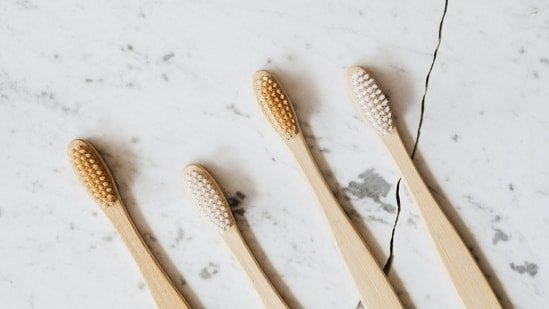
Bamboo toothbrushes have emerged as the most recognisable symbol of this movement. Biodegradable, lightweight and naturally antimicrobial, they offer an easy alternative to plastic. Designed much like conventional brushes, they feature soft, BPA-free bristles that are gentle on teeth and gums. While users need to remove the bristles before composting the handle, the overall environmental impact remains far lower. Importantly, bamboo brushes match plastic ones in cleaning efficiency, proving that eco-conscious choices need not compromise hygiene. Proper technique, gentle pressure and regular brushing remain the essentials.
Natural oral care products are also enjoying a revival. Ingredients such as neem, clove oil, rock salt, turmeric and miswak—deeply embedded in Indian tradition—are finding their way into modern, well-researched toothpaste formulations. These blends bridge ancient wisdom with contemporary science. Patients are advised to choose brands backed by research, ensure appropriate fluoride levels where required, and look for transparent safety standards. Sustainability should complement, not override, sound dental principles.
Eco-friendly oral care extends beyond products to everyday habits. Simple practices such as turning off the tap while brushing, avoiding single-use flossers, opting for microplastic-free formulas and replacing toothbrushes only when necessary can collectively reduce environmental strain. These small, low-cost actions have a meaningful impact. The shift is also evident within dental clinics themselves.
Many practices are adopting digital X-rays to minimise chemical waste, optimising sterilisation processes to cut down on disposables, and selecting recyclable packaging for patient kits. The focus is on consistent improvement rather than perfection, with each step contributing to a more responsible model of care.
Sustainable dentistry is not a fleeting trend but a long-overdue evolution. It reflects the values of a new generation seeking harmony between personal health and global responsibility. As dental professionals, guiding patients towards choices that support long-term wellbeing is both an opportunity and a responsibility. Ultimately, oral care does more than protect teeth—it helps safeguard the world in which those smiles exist.
