

Seed cycling offers hope for women dealing with polycystic ovary syndrome (PCOS). If you experience irregular periods, acne, mood swings, or weight gain, the idea of using seeds to balance hormones may sound appealing. But is this natural remedy effective, or just a passing trend? See how seed cycling might help support hormonal balance, especially for women with PCOS.
What is seed cycling?
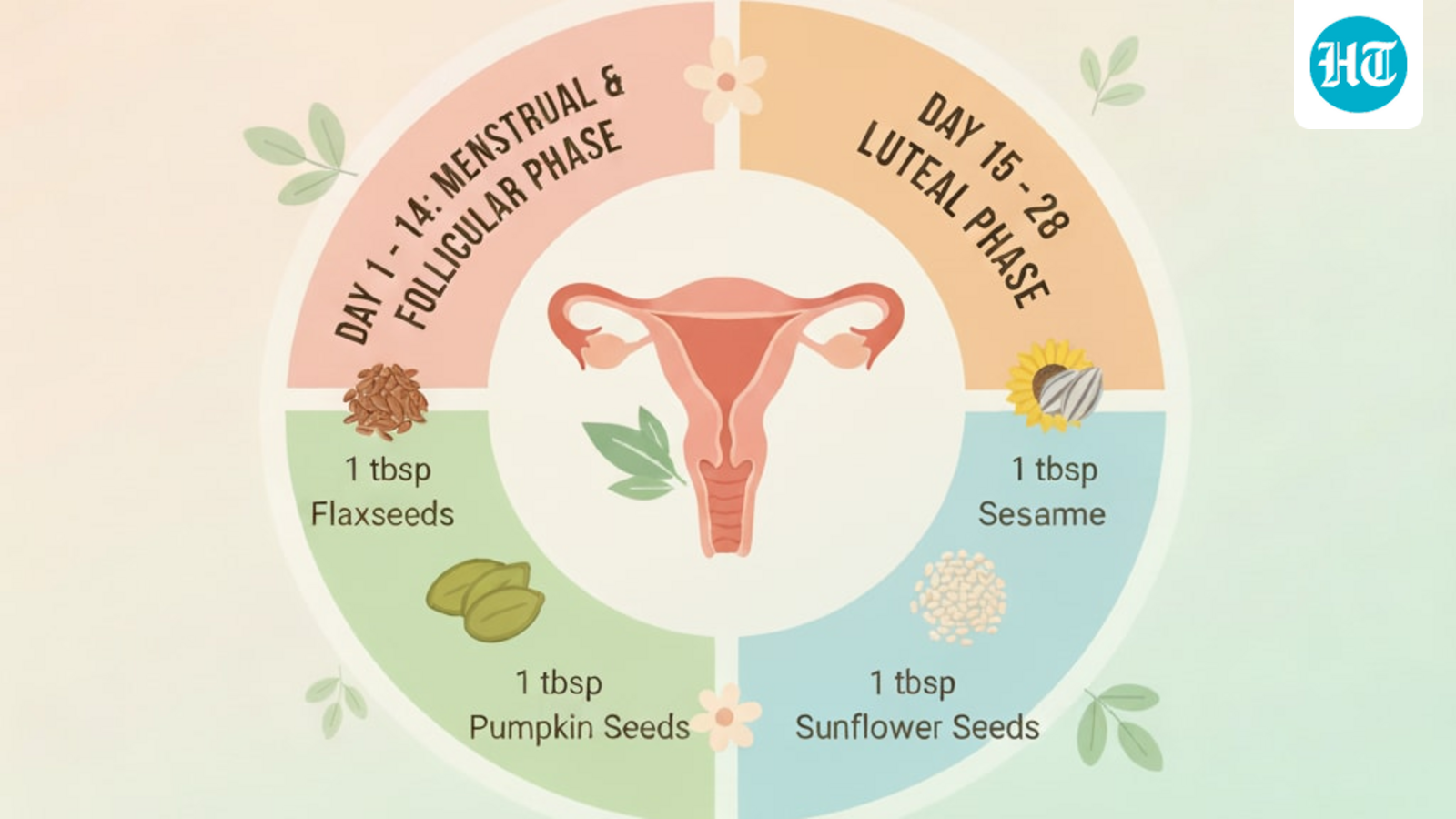
Seed cycling is a method to improve your health by adding specific seeds to the diet at different points in the menstrual cycle. “In the first half of your cycle, called the follicular phase (from the first day of your period until ovulation), eat flaxseeds and pumpkin seeds”, Dietician Bharathi Kumar from Fortis Hospital tells Health Shots. In the second half, known as the luteal phase (from ovulation until your next period), switch to sunflower seeds and sesame seeds.
What makes these seeds special? Each type has its own nutritional benefits. Flaxseeds are high in omega-3 fatty acids, which can help reduce inflammation. “Pumpkin seeds are rich in zinc and magnesium, which are important for hormone production and regulation”, says the dietician. Later in the cycle, adding sunflower and sesame seeds can provide key nutrients, such as vitamin E, an antioxidant, and lignans, which may help balance estrogen levels.
How to properly do seed cycling?
To better understand seed cycling, Health Shots spoke with Dr Nishi Singh, an infertility specialist. Dr Singh states that while seed cycling is nutritious and may benefit overall health, it should be regarded as an adjunct rather than a standalone intervention. “PCOS is a complex condition that affects hormones and metabolism,” she explains. “You can’t fix it just with diet. Seeds are healthy and may help maintain good health. Still, there is little scientific evidence that they can correct hormonal imbalances related to PCOS.”
How long does it take for seed cycling to work?
Seed cycling seems simple: eat the right seeds at the correct times. However, this practice should not replace proper medical treatment. Managing PCOS (polycystic ovary syndrome) requires a complete approach. “This includes making lifestyle changes, getting regular exercise, and using medication when needed”, says the dietician. Including seeds in the diet may improve your overall health. Still, if you have PCOS, it’s important to work closely with your healthcare provider to create a management plan tailored to your situation. Dr Singh points out that “seed cycling should be used as an additional treatment.”
What is the science behind seed cycling?
The scientific community has not yet conducted an extensive study in the Cureus Journal of Medical Sciences that clearly shows how seed cycling helps manage PCOS. “While the benefits of seeds, such as more fibre and healthy fats, are well known, there is still a lack of research directly linking seed consumption to hormonal improvements in women with PCOS”, says Dr Singh. Some women report that seed cycling helps them feel better. They say it can make their menstrual cycles more regular, reduce PMS symptoms, improve skin health, and boost energy levels. The dietician says, “These benefits are more about better nutrition than about when they eat the seeds”
Can seed cycling cure PCOS?
When discussing PCOS, it’s important to understand that there is no “cure.” Some women may observe symptom improvement with methods such as seed cycling. Still, PCOS is a lifelong condition that needs continued management. “Diet plays a key role, but lifestyle choices matter just as much as regular exercise”, says the dietician. Activities such as brisk walking, yoga, and strength training can help improve insulin sensitivity, support weight management, and help balance hormones.
Please don’t underestimate how important it is to manage stress. High stress can significantly impact hormone levels and worsen PCOS symptoms. “Practising mindfulness, meditation, and getting enough sleep can improve your overall health and help you better manage this condition”, says Dr Singh.
(Note to readers: This article is for informational purposes only and not a substitute for professional medical advice. Always seek the advice of your doctor with any questions about a medical condition.)
