

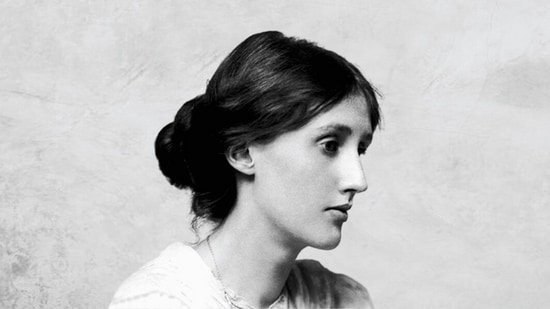
Today’s quote comes from Virginia Woolf, one of the most influential writers and thinkers of the 20th century. Known for her groundbreaking novels and essays, Woolf’s work challenged conventions of her time, exploring themes of identity, feminism, and consciousness. Her quote reminds readers of the enduring power of intellect and free expression. (Also read: Quote of the day by Shahid Kapoor: ‘I always had my own voice and protected it fiercely’ )
Virginia Woolf’s inspiring quote
In her 1929 essay, A Room of One’s Own, Woolf wrote, “Lock up your libraries if you like; but there is no gate, no lock, no bolt that you can set upon the freedom of my mind.” These words reflect her belief that while material barriers may exist, the mind remains inviolable. Woolf championed the idea that women, in particular, must have the space, education, and resources to think and create freely.
What Virginia Woolf’s quote means
This powerful statement serves as a timeless reminder that knowledge, creativity, and self-expression cannot truly be contained or restricted. Woolf’s life and work underscore the importance of cultivating independent thought, questioning societal norms, and nurturing one’s unique voice. Her words encourage readers to value their inner freedom, protect their ideas, and continue learning and creating, regardless of external circumstances or societal expectations.
Why this quote resonates today
In today’s fast-paced, digitally connected world, where societal pressures and constant information can overwhelm the individual, Woolf’s insight is more relevant than ever. It reminds us that while external circumstances may impose limitations, the mind itself is limitless. Her message inspires writers, students, artists, and thinkers to hold space for their creativity, to challenge boundaries, and to remain fearless in expressing their ideas. It is a call to cultivate intellectual resilience and personal integrity in every aspect of life.
More about Virginia Woolf
Virginia Woolf (1882–1941) was an English novelist, essayist, critic, and modernist pioneer whose influence on literature remains profound. She authored classics such as Mrs Dalloway (1925), To the Lighthouse (1927), and The Waves (1931), novels celebrated for their stream-of-consciousness technique, innovative narrative structures, and psychological depth.
Woolf was a central figure of the Bloomsbury Group, a circle of writers, artists, and intellectuals who shaped cultural and literary thought in early 20th-century England. Beyond her fiction, she wrote extensively on gender, literature, and society, with essays like A Room of One’s Own and Three Guineas forming foundational texts in feminist and literary scholarship. Her life, work, and words continue to inspire readers around the world to think freely, write boldly, and embrace the power of their minds.
