I thought we were staying here, here in Damascus, Sufien said to his mother. He loved the city already, all those buildings sprawled against the hills. Sufien likened it to the spread of Allah’s house above, a home of many mansions.
.
That’s when Sufien saw the officer in the distance, commanding them all in French.
They walked and they walked, and when Sufien looked back, hours had passed, and the dense city had fallen away. Before him spread out rows, as far as he could see, of tents, people’s belongings piled around them in unruly stacks, like a natural disaster had swept through, and there were suitcases unfolded and clothing hung on lines.At once the stars were rising, and then a flurry of clouds passed overhead and someone began to cry out, already smelling the coming weather in the dirt. It will destroy everything, a woman cried. All that we have left. And before Sufien knew it, the rain was falling meanly, and they were all scrambling, hiding books and briefcases, and little boxes of jewelry beneath the tents which were flailing in the wind. His mother had the baby in her arms, and the rest of the children she yelled at, told to find cover. So they ran, and found nothing, just a tarp which had been hung over the entrance to the camp, and Sufien was squashed there between so many strangers, watching his mother with the baby to her chest struggling to keep him dry. The wailing hadn’t stopped. It wouldn’t stop.
Later he would read in Dante’s Inferno of the souls arriving at the River Acheron being flagellated by the ferryman before making passage into the underworld. Back then, Sufien had no metaphor for what was happening. Still, he knew if it went on this way, the wailing and the rain, it might just form that mythical river which spread in secret around the length of the planet, and it might carry them all across to that other bank, the one from which no living soul ever returns. Though he couldn’t name it, he could feel it, that losing home is the closest approximation we have for losing our bodies. To be a refugee is to be nearly apparitional.
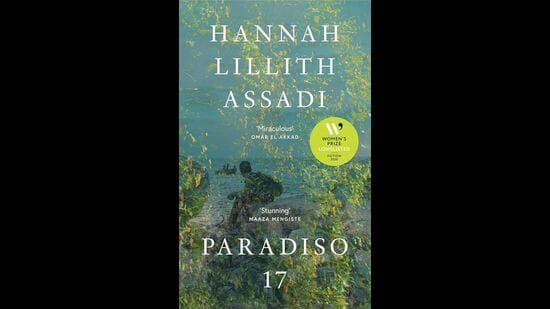
(Excerpted with permission from Paradiso 17 by Hannah Lillith Assadi, published by Fourth Estate; 2026)
सिद्धभूमि के लेखक एक प्रमुख समाचार लेखक हैं, जिन्होंने समाज और राजनीति के महत्वपूर्ण मुद्दों पर गहरी जानकारी और विश्लेषण प्रदान किया है। उनकी लेखनी न केवल तथ्यात्मक होती है, बल्कि समाज की जटिलताओं को समझने और उजागर करने की क्षमता रखती है। उनके लेखों में तात्कालिक घटनाओं के विस्तृत विश्लेषण और विचारशील दृष्टिकोण की झलक मिलती है, जो पाठकों को समाज के विभिन्न पहलुओं पर सोचने के लिए प्रेरित करते हैं।
एक ऐसे समय में जब प्रिंट एवं मुद्रण अपनी प्रारंभिक अवस्था में था ,समाचार पत्र अपने संसाधनो के बूते निकाल पाना बेहद दुष्कर कार्य था ,लेकिन इसे चुनौती के रूप में स्वीकार करते हुए स्वर्गीय श्री शयाम सुन्दर मिश्र “प्रान ” ने 12 मार्च 1978 को पडरौना (कुशीनगर ) उत्तर प्रदेश से सिद्ध भूमि हिंदी साप्ताहिक का प्रकाशन आरम्भ किया | स्वर्गीय श्री शयाम सुन्दर मिश्र “प्रान ” सीमित साधनों व अभावों के बीच पत्रकारिता को मिशन के रूप में लेकर चलने वाले पत्रकार थे । उनका मानना था कि पत्रकारिता राष्ट्रीय लोक चेतना को उद्वीप्त करने का सबसे सशक्त माध्यम है । इसके द्वारा ही जनपक्षीय सरोकारो को जिन्दा रखा जा सकता है । किसी भी संस्था के लिए चार दशक से अधिक का सफ़र कम नही है ,सिद्ध भूमि ने इस लम्बी यात्रा में जनपक्षीय सरोकारो को जिन्दा रखते हुए कर्मपथ पर अपने कदम बढ़ाएं हैं और भविष्य के लिए भी नयी आशाएं और उम्मीदें जगाई हैं । ऑनलाइन माध्यम की उपयोगिता को समझते हुए सिद्ध भूमि न्यूज़ पोर्टल की शुरुवात जुलाई 2013 में किया गया |
हमसे संपर्क करने और जुड़ने के लिए मेल करें -
siddhbhoomi@gmail.com
Subscribe to Updates
Get the latest creative news from FooBar about art, design and business.