

The growing consciousness to cut back sugar has brought several healthy swaps under the spotlight, and for good reasons as well. The risks of sugar intake are too serious to ignore. As per a study published in 2015, the dangers extend to the development of cardiovascular disease (CVD) and type 2 diabetes (T2DM), both directly and indirectly. The other detrimental health impacts also include fatty liver, decreased insulin sensitivity, increased uric acid levels and body weight gain. Most of the major physiological systems are affected by weight gain.
ALSO READ: Craving sweets but fear blood sugar spikes? Doctor shares how to enjoy desserts guilt-free
But it’s also critical not to get blindsided and, in the rush, choose the wrong substitute that has no significant ‘healthy’ value, or worse, might backfire with cumbersome nutritional content. Let’s take a look at some common substitutes and whether they support your health goals.
Shalini Sudhakar, nutritionist, took a closer look at the alternative sweeteners available and, in a February 11 post, revealed a detailed breakdown of the same.
1. Palm jaggery
In Indian households, palm jaggery is commonly available. Many local dishes are also prepared with this sweetener, making it a traditional fan favourite. Made from palm sap, it has a rich, earthy taste that brings a grounding sweetness to any dish it is added to. But don’t get carried away, as certain nutritional downsides keep this jaggery from being entirely healthy.
The nutritionist unmasked the underlying problem with this sweetener, “Palm jaggery has some nutrients like iron, but bare minimum, so it does not make much difference, high in calories and glycemic index, gonna spike your sugar levels.”
But it is not entirely futile, as it can still be consumed, but in moderation. Shalini recommended this frequency: two teaspoons a day.
2. Brown sugar
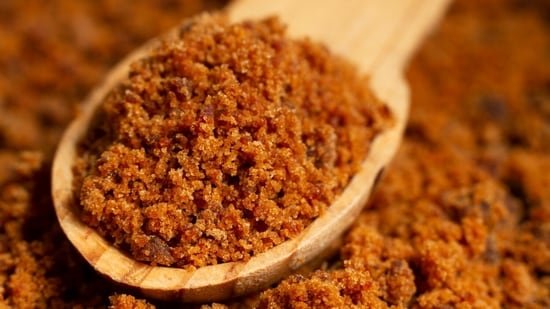
On supermarket aisles, as health conscious conversation surge, the shelves are increasingly filled with brown sugar, prompting consumers to make ‘the healthy choice’. The first replacement for white sugar is usually made to be brown sugar, but this instinctive association may not always be right, as you may be overlooking the grey in between.
Shalini gave a reality check that brown sugar is actually a stage in the processing of white sugar. The colour comes from natural molasses, but nutritionally, it remains high in calories and has a high glycaemic index with about 50 calories per tablespoon. Like regular sugar and jaggery, it should be consumed in moderation, ideally not more than two tablespoons a day.
3. Stevia leaf/ mong fruit
These sweeteners are less commonly discussed, as the first two continue to dominate the popular sugar-substitute discourse. However, as more conversations challenge what is actually healthy, their benefits are coming to light. The nutritionist explains that they are less processed and contain zero calories, adding that she personally prefers monk fruit.
In conclusion, if you choose the popular sugar alternatives like jaggery or brown sugar, you have to maintain precautions regarding the intake. Avoid going overboard, as they too have nutritional shortcomings and are not entirely clean. Stick to the recommended portion. However, if your sweetener intake is slightly above normal, try to go with the ones with zero calories and minimally processed.
Note to readers: This report is based on user-generated content from social media. HT.com has not independently verified the claims and does not endorse them.
This article is for informational purposes only and not a substitute for professional medical advice.
