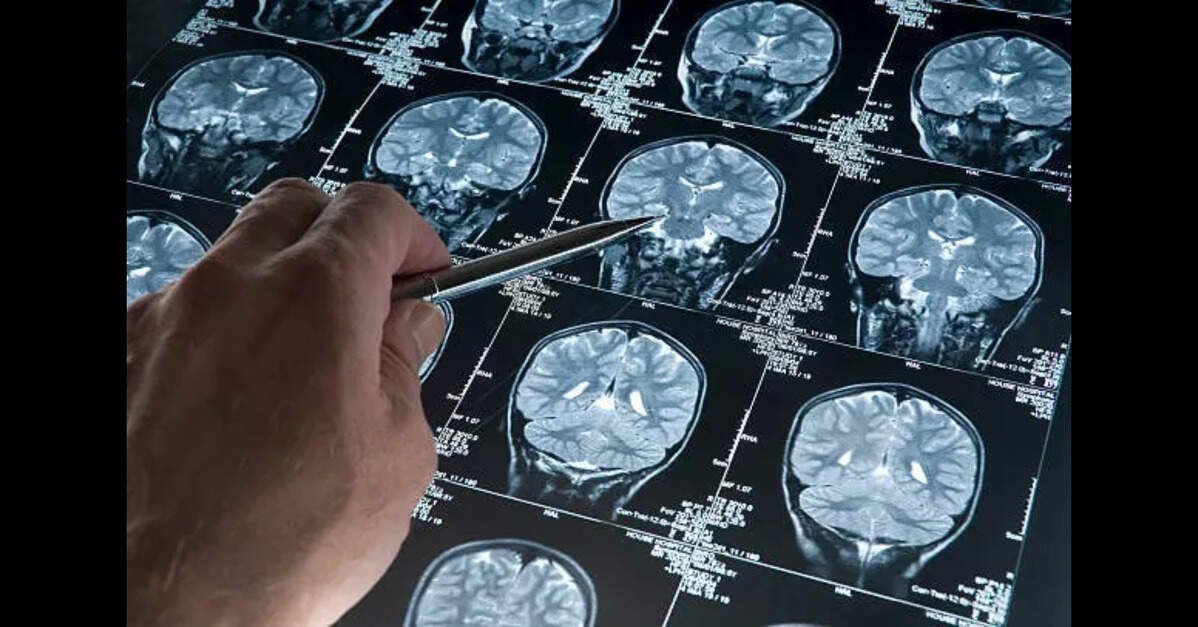
New Delhi: Immune cells within a brain tumour could be taking control of sugar metabolism, breaking down fructose to suppress immune responses and promote tumour growth, a study has found.
Published in the journal Proceedings of the National Academy of Sciences, the study is the first to identify a sugar metabolism driving immune suppression in glioblastoma, an aggressive, rapidly growing malignant tumour in the brain, researchers said.
They suggested blocking how fructose gets broken down in specialised immune cells may improve a patient’s response to immunotherapy and outcomes.
“Across several mouse models, when we removed the fructose transporter, the tumours simply didn’t grow,” senior author Jason Miska, assistant professor of neurological surgery at Northwestern University’s school of medicine, said.
Glioblastoma is among the most treatment-resistant brain tumours, partly because of its tumour microenvironment — or the mix of cells surrounding the tumour — including microglia.
Microglia are immune cells that surround and support neurons (nerve cells) in the central nervous system. Crucial for the early stages of tumour growth, microglia also express a unique fructose transporter, ‘GLUT5’, enabling them to transport and metabolise the sugar molecule.
Varied analytical techniques, including genetic sequencing methods, were used to study microglia, macrophages — which are immune cells that can enter tumours from the bloodstream — and tumour cells.
The analysis confirmed that microglia uniquely express GLUT5 and showed microglia to be the only immune cells in the glioblastoma microenvironment capable of breaking down fructose.
“We knew microglia use this fructose transporter as part of their normal biology, but we did not expect it to be this important for brain tumour growth,” Miska said.
In mice, genetically engineered without the GLUT5 transporter, tumours were seen to produce a much stronger immune response, including a better recognition of tumour cells, an increased production of cytokines driving inflammation and a rapid multiplication of CD8+ T-cells, the immune system’s main cancer-killing cells.
“This not only makes the microglia themselves more inflammatory, but it also causes those T-cells and B-cells that are in the tumour to be more activated and create more inflammatory molecules that we have shown are required for rejection of brain tumours,” first author Leah Billingham, a postdoctoral fellow in Miska’s lab, said.
“This isn’t just solely the microglia doing something; this is an intricate interaction between the different parts of the immune system and how they are then impacting tumour rejection,” Billingham said.
Microglial fructose metabolism is a key regulator of immune suppression in glioblastoma and may be a promising therapeutic target to improve immunotherapy response in patients, the researchers suggested.
The authors “demonstrate that microglia uniquely express the fructose transporter GLUT5 and are the only immune cells in the GBM (glioblastoma) microenvironment capable of metabolising fructose.”
They show that a “global deletion of GLUT5 confers profound resistance to tumour growth. This effect is driven by loss of fructose metabolism in microglia and occurs independently of contributions from peripheral immune compartments.”