

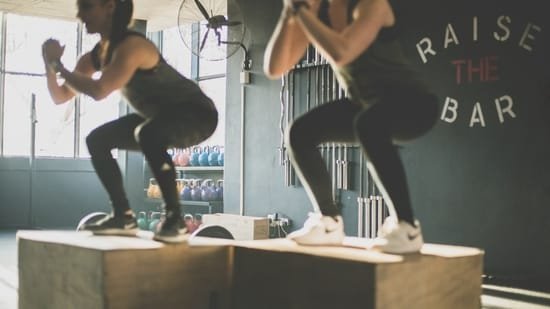
The expression “thick thighs save lives” is quite popular among young adults for reasons not particularly related to health. However, according to Dr Kunal Sood, a Maryland-based physician in Anesthesiology and Interventional Pain Medicine, it can ring true while trying to lead a healthy life as well.
The thighs have some of the largest muscles in the human body, as per the Cleveland Clinic website. They are used while bending, flexing, or rotating the lower body. They also bear most of the body weight, keep the hips and legs aligned and assist with balance.
Types of thigh muscles
- Hamstrings: Allow us to extend the hip and move the leg behind our body, and flex or bend the knee
- Adductors: Allow us to bring the thighs toward each other, help with balance, keep the legs and hips aligned, and allow rotation through the hips and legs
- Quadriceps: Allow us to flex the hip and extend the knee
- Pectineus: Allows us to flex and rotate the thigh at the hip joint, stabilises the pelvis
- Sartorius: Helps us to flex and rotate the thigh at the hip joint
- Iliopsoas: Helps us to flex and rotate the thigh at the hip joint. Unlike other muscles at the front of your thigh, they don’t help extend the leg at the knee joint
Benefits of strong thigh muscles
According to Dr Sood, leg (or thigh) muscles are a “metabolic medicine.” He described the leg as a “metabolic engine,” as it is the biggest place where the body can utilise glucose.
If there are more leg muscles, and they are made stronger with regular training, it draws away increasing volumes of glucose from the bloodstream and improves the insulin sensitivity of the body over time.
This results in:
- Steadier energy
- Fewer crashes
- Better long-term metabolic health
How to train leg muscles
While working out the leg muscles, the exercises that should be done at a minimum according to Dr Sood are:
- Squats (or sit to stands)
- Step-ups (or lunges)
It is good enough to work out the leg muscles two days a week in the beginning, and build slowly from there. Slow and steady progress, which is consistent, gives better results than inconsistent but intense workouts.
Dr Sood further added that the hips or thighs are a safer storage depot for fat than the belly. However, “muscle is the main goal.”
Note to readers: This article is for informational purposes only and not a substitute for professional medical advice. Always seek the advice of your doctor with any questions about a medical condition.
This report is based on user-generated content from social media. HT.com has not independently verified the claims and does not endorse them.
