

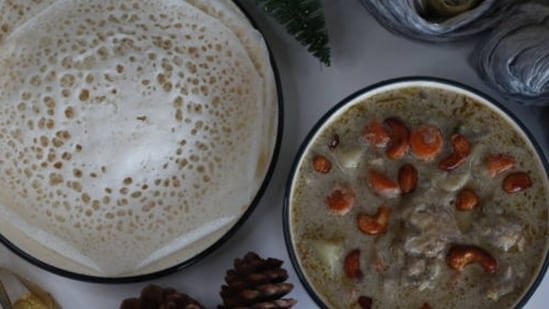
Vegan Ishtu is a traditional Kerala stew known for its mild flavours and clean ingredient list. It is usually prepared with mixed vegetables simmered in coconut milk, seasoned with whole spices rather than heavy masalas. This cooking style reflects Kerala’s long-standing preference for simple, ingredient-led meals that highlight natural taste.
The dish traces its roots to Syrian Christian kitchens of Kerala, where Ishtu was commonly served with appam, idiyappam, or bread. Over time, the recipe adapted easily to plant-based cooking, replacing dairy or meat with vegetables while keeping the same gentle spice balance. The vegan version stays true to this legacy by relying on coconut milk for body and warmth.
Vegan Ishtu offers a good mix of fibre from vegetables and healthy fats from coconut. These fats help with nutrient absorption and provide steady energy, making the dish suitable for evening meals. The absence of strong spices also keeps digestion easy, especially after a long day.
Vegetables like potatoes, carrots, beans, and peas form the base of the stew, making it filling without being heavy. Coconut milk adds richness while keeping the ingredient list short and familiar. Whole spices such as pepper, cloves, and cinnamon release flavour slowly during cooking, reducing the need for excess oil.
Vegan Ishtu perfectly fits into your daily routine because it requires basic pantry ingredients and minimal preparation. It reflects an original approach where food was designed to nourish, stay light on the stomach, and suit everyday family meals, especially during calmer dinner hours.
How To Make Vegan Ishtu Kerala Stew At Home For Nourishing Dinner
Vegan Ishtu is a classic Kerala-style stew built around vegetables, coconut milk, and mild whole spices. Known for its clean flavours and soft texture, this dish suits light dinners and pairs well with appam, idiyappam, or plain rice. It reflects slow, thoughtful home cooking.
Ingredients (Serves 2–3)
- Coconut oil – 1 tablespoon
- Cinnamon stick – 1 small
- Green cardamom – 2 pods
- Cloves – 2
- Black peppercorns – ½ teaspoon, lightly crushed
- Ginger – 1 teaspoon, finely chopped
- Green chillies – 2, slit lengthwise
- Onion – 1 medium, thinly sliced
- Potato – 1 medium, cubed
- Carrot – 1 medium, sliced
- French beans – ½ cup, chopped
- Green peas – ¼ cup
- Thin coconut milk – 1 cup
- Thick coconut milk – ½ cup
- Salt – to taste
- Curry leaves – 1 sprig
Instructions
- Heat the coconut oil in a deep pan over low heat.
- Add cinnamon, cardamom, cloves, and peppercorns; sauté until aromatic.
- Add ginger, green chillies, and onions; cook until onions turn soft.
- Add potatoes, carrots, beans, and peas; mix gently.
- Pour in thin coconut milk and salt; simmer until vegetables are tender.
- Add thick coconut milk and curry leaves; stir gently.
- Cook on low heat for 2–3 minutes without boiling.
- Turn off the heat and rest for a few minutes before serving.
- Serve Vegan Ishtu warm with appam, idiyappam, or steamed rice for a calm, satisfying dinner.
7 Tips To Make Authentic Vegan Ishtu At Home
Stick to coconut oil for cooking
Coconut oil is essential for authentic Ishtu. It brings a subtle richness and aroma that other oils cannot replicate. Even a small amount changes the final taste noticeably.
Use whole spices instead of spice powders
Authentic Ishtu relies on whole spices such as green cardamom, cloves, cinnamon, and black pepper. These release flavour slowly while cooking and keep the stew light and balanced, without overpowering the vegetables.
Cook vegetables gently and evenly
Vegetables like potatoes, carrots, beans, and green peas should be cut evenly and simmered on low heat. Slow cooking allows them to absorb coconut milk while retaining their shape and natural taste.
Add thick coconut milk at the final stage
Thick coconut milk should be added only after switching off the heat. Boiling it can cause separation and dull the natural sweetness of coconut, which is central to Ishtu’s character.
Keep the spice level mild and soothing
Authentic Ishtu is never spicy or heavy. Black pepper is used lightly for warmth rather than heat, allowing coconut milk and vegetables to remain the main focus.
Finish with fresh curry leaves
Curry leaves added towards the end enhance aroma and connect the dish to Kerala’s cooking style without adding sharpness.
Rest the stew before serving
Allowing the Ishtu to rest for 5–10 minutes helps flavours settle and blend, resulting in a smoother and more cohesive stew.
FAQs
- Is a Vegan Ishtu suitable for everyday dinners?
Yes, it is light, easy to digest, and works well for regular dinners without feeling heavy.
2. Which vegetables are traditionally used in Ishtu?
Potatoes, carrots, beans, peas, and onions are commonly used for an authentic Kerala-style flavour.
3. Can coconut milk be replaced in vegan Ishtu?
Coconut milk is essential for taste and texture; replacing it will change the dish’s traditional character.
