

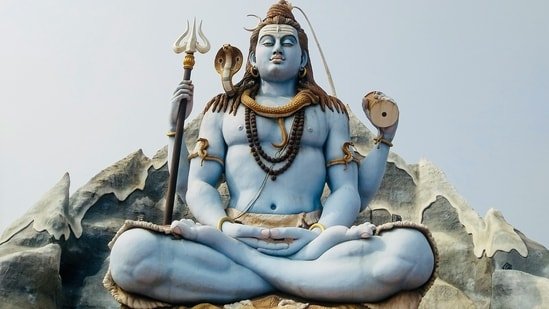
Maha Shivratri 2026: Maha Shivaratri, also known as Mahashivratri, is one of the most sacred and spiritually significant festivals for Hindu devotees. The day is dedicated to the worship of Shiva and Parvati, with devotees visiting temples, offering prayers and observing fasts to seek divine blessings.
The festival holds deep religious importance and symbolises the divine union of Lord Shiva and Goddess Parvati, believed to be the reincarnation of Sati. On this auspicious occasion, devotees also observe the Shivratri vrat with great devotion. Check the correct date, shubh muhurat, parana time and all about this auspicious festival. (Also read: Ekadashi February 2026: Vijaya Ekadashi today; know vrat katha, ekadashi parana time, tithi today, muhurat and more )
Maha Shivratri 2026 date and time
Every year, devotees of Shiva observe the sacred festival of Maha Shivaratri in the Hindu month of Phalguna (February–March), on the Chaturdashi tithi (fourteenth night) of the waning moon. This year, the festival will be celebrated on Sunday, February 15.
According to Drik Panchang, here are the important and auspicious timings to keep in mind while observing Shivratri:
Significance of Maha Shivratri
Maha Shivaratri carries deep religious and spiritual significance. It represents the triumph of light over ignorance, and devotees believe that worshipping Lord Shiva and observing a night-long vigil on this auspicious occasion helps attain awareness and spiritual enlightenment. It is also believed that Lord Shiva performed the Tandav, the cosmic dance of creation and destruction, on this sacred night.
Maha Shivratri 2026 rituals and celebration
Maha Shivratri is celebrated across India with deep devotion and spiritual fervour, with major temples like Mahakaleshwar Jyotirlinga in Ujjain, Kashi Vishwanath Temple in Varanasi, and Kedarnath Temple witnessing grand festivities. Thousands of devotees gather to offer prayers, participate in special aartis, and seek the blessings of Lord Shiva, while homes and temples are beautifully decorated and bhajans and kirtans fill the air.
Devotees observe a day-long fast, some consuming only fruits and milk, others following a strict nirjala fast, chant sacred mantras to purify the mind and invoke divine blessings, perform abhishekam by bathing the Shivalinga with holy items like milk, honey, water, curd, and bel patra, and stay awake through the night for Shivratri Jagran, meditating and engaging in spiritual activities to honour Lord Shiva and Goddess Parvati.
