

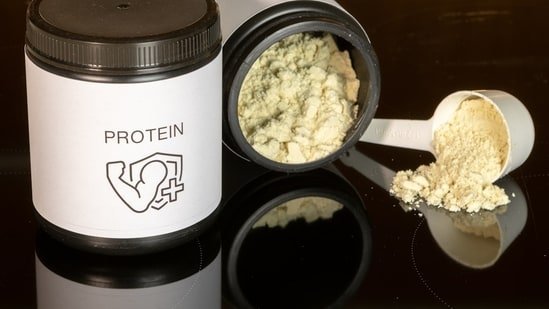
When it comes to eating healthy, the importance of protein is highlighted by all and sundry. However, becoming obsessed with the macronutrient may come at a high price, according to integrative lifestyle expert Luke Coutinho.
Taking to Instagram on January 19, Luke claimed that focusing exclusively on protein is likely increasing the risk of inflammation, poor gut health, and spiking blood sugar levels among Indians. What one may consume to build muscles may result in increasing body fat instead.
“We’re all obsessed with hitting the magic protein number,” observed Luke. “It’s like the holy grail for muscle, energy and cellular repair. But in the rush to chug shakes and devour ‘high protein’ bars and snacks… Most of you are completely blind to the garbage ingredients hiding in them.”
He went on to list three ingredients that are commonly found in high-protein snacks that are “quietly sabotaging” our bodies.
1. Palm oil
Palm oil (or palm kernel oil) is commonly seen as an ingredient in protein bars and other products, giving the foods a creamy texture and longer shelf life. However, it is also high in saturated fats and can raise LDL cholesterol and heart disease risk.
Processed versions of palm oil “may contain contaminants linked to organ toxicity and even cancer risks,” claimed Luke. It can be completely avoided by switching our diet to include whole foods, such as paneer, yoghurt, beans, and lentils with grains, eggs, and chicken liver.
2. Refined flour and processed carbs
“Many bars and protein snacks use refined wheat or other flours as fillers,” shared Luke. “Stripped of fibres, vitamins or minerals, they spike blood sugar fast, promote fat storage, and drive low-grade inflammation.” He compared such snacks to a “glorified candy bar” that troubles the gut and spikes insulin, becoming directly counterproductive to cellular health.
3. Artificial sweeteners
Artificial sweeteners such as sucralose, aspartame, and acesulfame K are advertised as zero-calorie and perfect for ‘guilt-free’ protein products. However, according to Luke, “Studies link them to disrupted gut microbiome, altered metabolism, increased cravings, and even higher risk of metabolic syndrome and inflammation.”
These ingredients mess with the natural signals of the body, making us hungrier and potentially increasing fat storage.
Luke advised that we should stop being fixated on ‘protein’ labels and instead go through the ingredient lists of food products. It is always better to opt for “clean, minimally processed sources” such as grass-fed meat, eggs, fish, nuts, soy, lentils, and legumes, along with cereals and dairy. If a supplement is absolutely necessary, we should go for one without the inflammatory fillers.
Note to readers: This article is for informational purposes only and not a substitute for professional medical advice. Always seek the advice of your doctor with any questions about a medical condition.
This report is based on user-generated content from social media. HT.com has not independently verified the claims and does not endorse them.
