

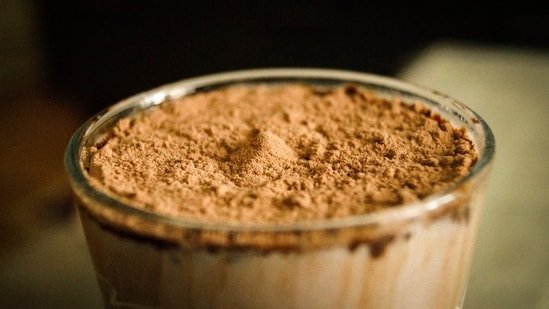
Building strong abs, biceps, and chest muscles can feel like a tough job. Many gym-goers might agree. Finding safe, effective supplements to meet protein needs is also challenging. Fake bodybuilding supplements are becoming more common in India due to the growing grey market. This means that the money bodybuilders spend on protein powders may be wasted and can also be harmful to their health. To tell the real protein supplements from the fake ones, follow our quick guide. This way, you can focus on your workouts instead of worrying about finding the right supplement, if you even need one.
When should you get protein powder?
If you want to build muscle and need to recover quickly, here’s what to consider:
- Eating protein can help you lose weight. It makes you feel full and stops you from overeating, which is not what many people think.
- This helps improve overall health by lowering cholesterol and blood pressure. It also boosts immunity.
What is the recommended daily intake of protein for adults?
The recommended protein intake is 0.8 grams per kilogram of body weight . “For example, if a person weighs 90 kilograms, they need about 75-80 grams of protein each day. This amount is for people who are not exercising,” certified nutrition coach Tanisha Bawa tells Health Shots. If you are working out, your protein needs double because it helps with muscle recovery.
How do I know if I’m getting enough protein in my diet?
Before you decide to take a protein supplement, ask yourself if your diet gives you enough protein for your weight. If it doesn’t, consider using a protein supplement. “If you want to build muscle and lower body fat, aim for 0.8 to 1.25 grams of protein per 0.4 kg of body weight each day”, says Bawa. To keep your kidneys healthy, drink 6 to 8 glasses of water daily.
How to know if a supplement is original?
To determine if a supplement is original and authentic, consider the following steps:
1. The logo test
You need a license to import or distribute supplements. The license number must always be displayed on the supplement. In India, very few distributors have this license. The license appears as a sticker on the supplement. It includes important details such as the manufacturing date, import date, and price. “Always buy directly from the company or authorised dealers. Avoid using mediators for these products. Each product has a unique identification number and an expiry date that you can scan,” Amaresh Ojha tells Health Shots.
2. The taste test
Before choosing a supplement, always read reviews on different bodybuilding forums. Check what the taste is like. If it doesn’t match the description, you might have a fake product. If you’ve used the same brand before, but the taste is different this time, it may not be authentic. Unless the manufacturer has changed it, you should ask about the difference.
3. The mixing test
To check your protein powder, add a scoop to room-temperature water and shake for 30 seconds. If you see lumps or residue, your supplement might be fake. “A good protein supplement should cost at least ₹2,500 for a 1kg pack. In the past, many proteins formed lumps, but now companies focus on better taste and mixing. The nutritional content of fake supplements will differ from the original, which you can verify on the product’s website,” fitness expert Ashish Gupta tells Health Shots.
4. The seal test
If your supplement container has no seal, it is likely fake. Check the seal inside the lid as well. Fake products often have weak seals that can leak. An authentic product should have a well-formed seal that is securely attached. The seal usually bears the brand name; if it looks plain, you might have a fake product.
5. The QR and barcode test
The barcode and QR code should link directly to the product information. You can use your phone’s QR scanner to check the product details. “It’s important to research the product before you buy it. Avoid purchasing from anyone at the gym. Testing the barcode or QR code is a safe way to confirm its authenticity,” fitness expert Jinnie Gogia Chugh tells Health Shots.
6. The MRP sticker test
Fake products can also have counterfeit MRP stickers on their containers. If you see anything unusual about the sticker, it’s likely fake.
(Disclaimer: At Hindustan Times, we help you stay up-to-date with the latest trends and products. Hindustan Times has an affiliate partnership, so we may get a part of the revenue when you make a purchase. We shall not be liable for any claim under applicable laws, including but not limited to the Consumer Protection Act, 2019, concerning the products. The products listed in this article are in no particular order of priority.)
