

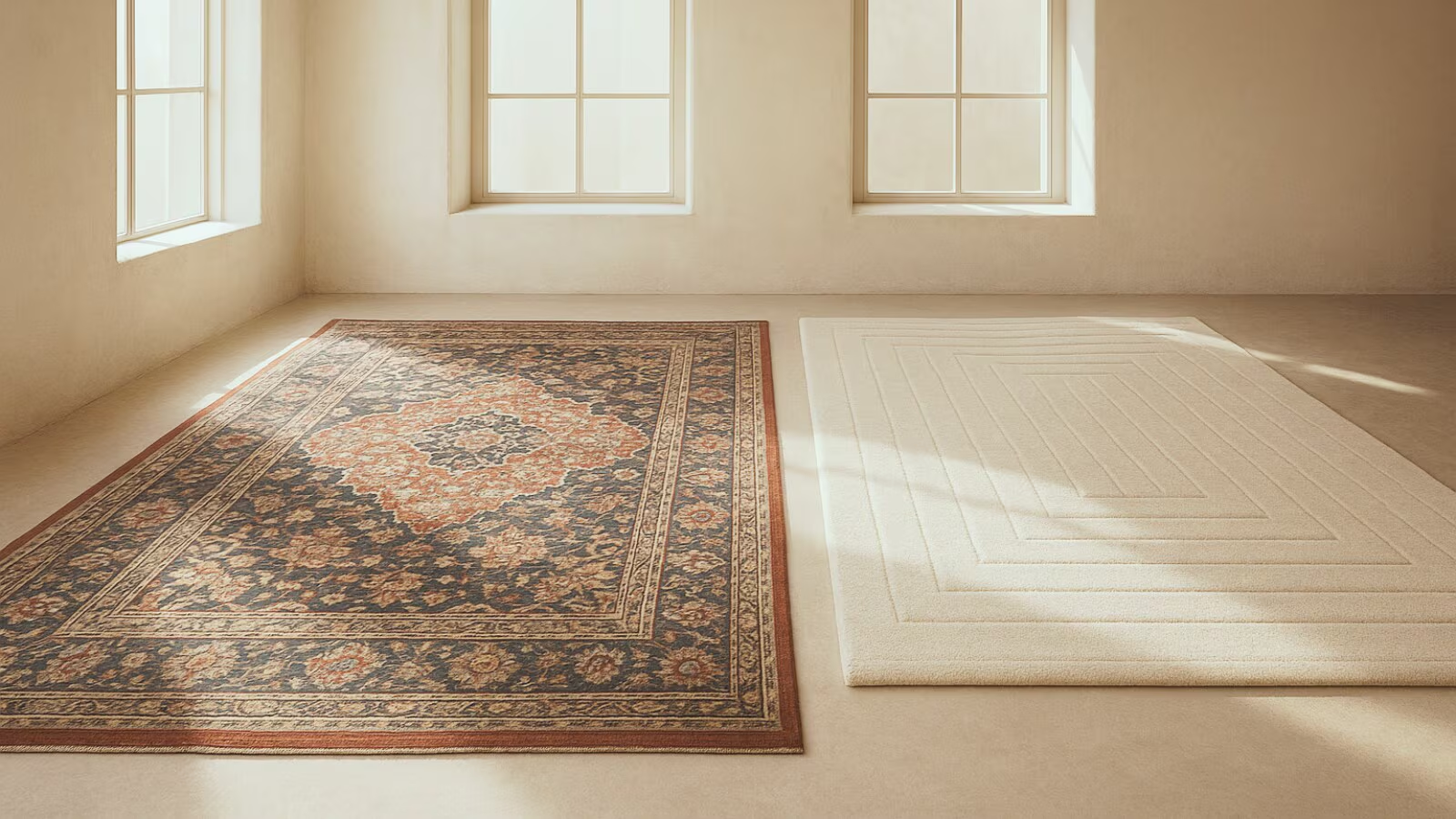
Buying a carpet is about more than pattern or colour. It really sets the mood of a room. The real distinction lies in construction. Hand-knotted carpets are a long-term investment in craftsmanship and longevity, while hand-tufted carpets offer speed, versatility, and practical affordability. Knowing these differences makes shopping simpler and ensures you pick the right carpet for your space.
Hand-knotted carpets: The heirloom standard
Hand-knotted carpets are made by tying each knot individually onto a warp and weft foundation, a labour-intensive process that can take months or even years, depending on size and intricacy. This technique produces carpets that are durable, flexible, and even reversible. Over time, they can increase in value, making them true heirloom pieces.
The patterns that emerge feel organic and unique, giving a depth and character that machine-made options rarely achieve. For living rooms or areas meant to be cherished for years, hand-knotted carpets bring unmatched presence and tactile richness.
Hand-tufted carpets: Modern convenience
Hand-tufted carpets are created by punching yarn through a backing material using a tufting gun or machine. The pile is secured with adhesive, keeping the knots intact. This method allows faster production and lower costs, making tufted carpets a practical choice for high-traffic areas, rentals, or temporary spaces.
They offer uniform, consistent designs that look polished and contemporary. Though they do not match the fine detail of hand-knotted carpets, their versatility and affordability make them a popular option for everyday use.
Hand-knotted vs hand-tufted carpets: Differences
Hand-knotted and hand-tufted carpets may look similar, but construction affects feel, longevity, and care. Hand-knotted carpets are supple, highly durable, and repairable, while tufted carpets are faster to produce, cost-effective, and best for temporary or high-traffic areas. Shedding, flexibility, and price also differ significantly.
| Feature | Hand-Knotted Carpet | Hand-Tufted Carpet |
| Price | Premium investment | More affordable |
| Feel/Flexibility | Supple and flexible | Stiffer due to adhesive |
| Shedding | Minimal over time | More, as the adhesive breaks down |
| Longevity | Can last decades | 5-15 years |
| Repair | Professional re-knotting possible | Temporary or limited |
| Design Detail | Intricate, unique patterns | Uniform, machine-like |
Ravi Patodia, Chairman of Hands Carpets, sums it up: “Tufted carpets are faster to make and cost-effective, but they can’t reach the same fine quality as hand-knotted carpets. Handmade carpets remain a small but valued part of the global carpet industry.” His insight reinforces that both styles have a place depending on your needs and space.
Choosing the right carpet comes down to investment versus lifestyle. For central living areas or spaces you plan to enjoy for years, hand-knotted carpets deliver unmatched richness and longevity. Hand-tufted carpets work best in temporary, high-traffic, or rental spaces where affordability and versatility matter.
Understanding the construction behind a carpet helps you shop confidently and select pieces that truly suit your home.
Similar articles for you
10 popular Indian art forms you can use in your home decor
Why vintage decor is making a comeback: Textile museum designer Ravisha Merchant weighs in
World’s largest hand-tufted carpet: How Bhadohi built a Guinness World Record
Compact living: How the broom drawer can save space and tame clutter
How rugs can transform your home into a cosy and stylish space
The author of this article holds a Master’s Degree in Interior Design and has spent over a decade in research, teaching, and designing homes from scratch.
Disclaimer: At Hindustan Times, we help you stay up-to-date with the latest trends and products. Hindustan Times has an affiliate partnership, so we may get a part of the revenue when you make a purchase. We shall not be liable for any claim under applicable laws, including but not limited to the Consumer Protection Act, 2019, concerning the products. The products listed in this article are in no particular order of priority.
