

The routine you follow in the morning is critical for the rest of the day because it not only determines your energy levels but also sets the tone for focus, mood and overall hormonal balance. The morning habits make a big difference in how you stay productive throughout the day, too. New Jersey-based endocrinologist Dr Alessia Roehnelt, in a January 26 post, revealed what she eats in the morning every day to balance her hormones, and why.
1. Hydrate
The first step is to hydrate well. As Dr Roehnelt noted, the body becomes dehydrated overnight, so it is vital to drink water before moving on to other morning beverages like coffee. Otherwise, caffeine can spike cortisol and worsen that early-morning groggy, tired feeling.
She shared her morning drink, “I like to start my day with a glass of electrolyte water that I make myself, which is just a pinch of Celtic salt, a squeeze of lemon and a full glass of water.”
2. Protein
Next up for breakfast, the doctor prioritises protein in the morning because it helps stabilise blood sugar, reducing energy crashes, and controlling cravings later in the day.
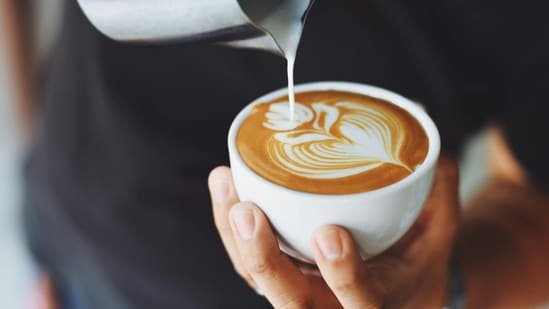
However, she revealed that it can be a bit tricky. Since she is not usually hungry in the morning, she does not eat right away. Instead, she shared her clever trick: she adds protein to her coffee. “I make lattes in the morning, starting with espresso and then adding about a cup of milk. That gives me about 8 grams of protein,” she noted.
3. Light exercise
Try to include light movement in your morning routine. This simple habit, according to the doctor, helps reset your circadian rhythm, supports proper cortisol timing and improves sleep later in the day.
She added, “You don’t need to start with a crazy intense workout; even light walking or stretching can be beneficial.”
So in the end, by following healthy habits like hydration, protein and light movement, you can have a powerful impact on your energy, focus and hormonal balance.
Note to readers: This report is based on user-generated content from social media. HT.com has not independently verified the claims and does not endorse them. This article is for informational purposes only and not a substitute for professional medical advice.
