

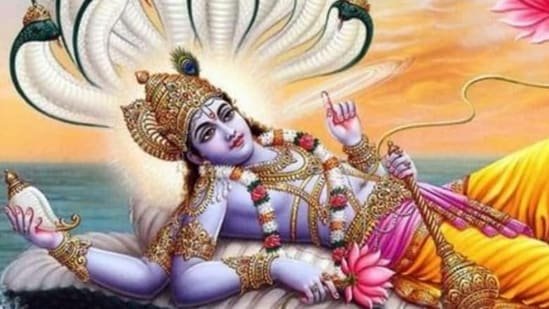
Papamochani Ekadashi 2026: The sacred period between Holika Dahan and Chaitra Navratri marks a significant spiritual milestone in the Hindu calendar: Papamochani Ekadashi. As the last Ekadashi of the Vedic year, it holds immense importance for devotees seeking to cleanse their past sins before the arrival of the New Year (Yugadi). Also read | Amalaki Ekadashi 2026: Know vrat katha, auspicious timings, ekadashi tithi, rituals
As per Drikpanchang.com, in 2026, Papamochani Ekadashi falls on Sunday, March 15. Whether you follow the purnimanta calendar of north India or the amanta calendar of the south, the Papamochani Ekadashi fast is observed universally on the same day.
Papamochani Ekadashi 2026 date and muhurat
Adhering to the correct time for Papamochani Ekadashi parana (fast-breaking) is considered essential. Breaking the fast outside the designated window is traditionally viewed as a spiritual lapse.
As per Drik Panchang:
⦿ Papamochani Ekadashi falls on Sunday, March 15, 2026
⦿ On 16th March, parana time – 06:30 am to 08:54 am
⦿ On parana day Dwadashi end moment – 09:40 am
⦿ Ekadashi tithi begins – 08:10 am on March 14, 2026
⦿ Ekadashi tithi ends – 09:16 am on March 15, 2026
According to Drik Panchang, devotees should avoid breaking the fast during hari vasara (the first quarter of Dwadashi tithi) or madhyahna (midday) – the preferred time is pratahkal (early morning).
Significance of Papamochani Ekadashi vrat
Papamochani literally translates to ‘the remover of sins’, Drik Panchang shared. According to the Lomash Rishi, observing this fast with devotion can dissolve even the most severe transgressions, including those equivalent to Brahmahatya (killing a Brahmin). While the fast is often kept for a single day, staunch devotees or those seeking moksha (liberation) may observe a two-day fast if the tithi spans across sunrise.
Papamochani Ekadashi vrat katha
The legend of Papamochani Ekadashi, narrated by Lord Krishna to Arjuna, tells the story of Medhavi Rishi, a young and powerful devotee of Lord Shiva who meditated in the Chaitraratha forest.
According to Drik Panchang, here it is:
The beauty of the forest and the sage’s radiance attracted the Apsara Manjughosha. Influenced by Kamadeva (the god of love), she enchanted the sage with her music and beauty. Lost in lust, Medhavi Rishi forgot his penance and the passage of time. He remained with Manjughosha for 57 years, believing only a single night had passed.
Upon realising the loss of his spiritual merit, the sage was consumed by rage. He cursed Manjughosha to become a Pishachini (a flesh-eating spirit). Distressed, the Apsara begged for mercy. Softening, the sage instructed her to fast on Papamochani Ekadashi to regain her form.
Medhavi Rishi then sought counsel from his father, sage Chyavan, who confirmed that the only way to restore his own tarnished radiance was to observe the same fast. Both the sage and the Apsara performed the rituals with devotion; Medhavi’s sins were dissolved, and Manjughosha was liberated from her ghoulish form, returning to heaven in her celestial beauty.
How to observe Papamochani Ekadashi fast
⦿ Sankalpa: take a vow in the morning to remain truthful and disciplined.
⦿ Worship: offer yellow flowers, sandalwood, and incense to Lord Vishnu.
⦿ Diet: many observe a complete fast (nirjala), while others consume only fruits and milk.
⦿ Charity: donating to the needy on the day of parana is highly meritorious.
Note to readers: This article is for informational purposes only.
