

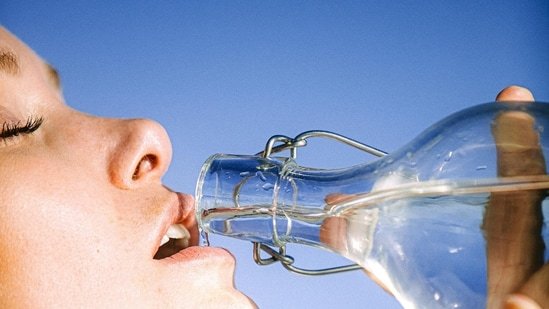
Kidney stone cases are on the rise, especially in the summer. These are basically small, crystal-like pebbles that form in the kidneys. There’s a common belief that drinking 10-12 glasses of water daily can help pass kidney stones, but how true is it? Are there any important details people might be missing?
ALSO READ: Hyderabad urologist shares dangers of holding back pee: ‘Bacteria get more time to multiply…’
We asked Dr Amit Saple, senior consultant urologist and executive director at AINU Hospitals, Visakhapatnam, who helped explain the role of hydration in kidney health.
“Kidney stones are becoming more common, especially if you live somewhere hot and risk getting dehydrated,” the urologist explained, revealing how people living in warmer regions are more at risk of stone formation.
The urologist further described that kidney stones happen when minerals like calcium, oxalate, or uric acid pile up and crystallise in your urine. If you’re not drinking enough, your urine gets too concentrated, and that’s when the problem begins. So, if dehydration is the core issue, can increased water intake fix it by flushing them out?
What is the role of water in reducing kidney stone risks?
Water plays a major preventive role in lowering kidney stone risks. “Water basically keeps your urine diluted, so those stone-forming particles don’t get a chance to stick together,” Dr Saple explained, reminding it is one of the best ways to stop stones from forming in the first place.
Can water break down stones?
The urologist, however, gave a reality check: water is not a magic solution that dissolves kidney stones. Only very small stones can be passed naturally. “If the stone is small, usually under 5 mm, drinking more water can help push it out naturally. The extra water means more urine, which can carry the tiny stone out of your system,” he elaborated. He was clear that water does not melt stones, it only helps to pass very small ones.
When drinking more isn’t enough?
While drinking water can help pass tiny kidney stones, it is not enough for larger stones. The doctor revealed that stones over 6–7 mm usually require more than just hydration to resolve safely.
“If you’ve got serious pain, an infection, or you’re blocked up, you need real medical treatment,” he stated, “That might be prescription meds, shock wave therapy, or even a minor procedure.” If you overlook the warning signs, you are at risk of infections or kidney damage.
How much water should you really drink?
The urologist recommended drinking ten to twelve glasses of water a day, referring to it as a decent baseline. He also advised paying attention to your urine, keeping it clear or pale yellow. Dr Saple says you should aim for at least two to two-and-a-half litres of urine every day.
Other preventive measures, aside from water intake, include cutting back on salt, watching out for foods high in oxalates (like spinach or nuts) and balancing your calcium intake.
In the end, the doctor shared an important piece of advice: “Water is your first line of defence, not your entire battle plan against kidney stones.”
Note to readers: This article is for informational purposes only and not a substitute for professional medical advice. Always seek the advice of your doctor with any questions about a medical condition.
