

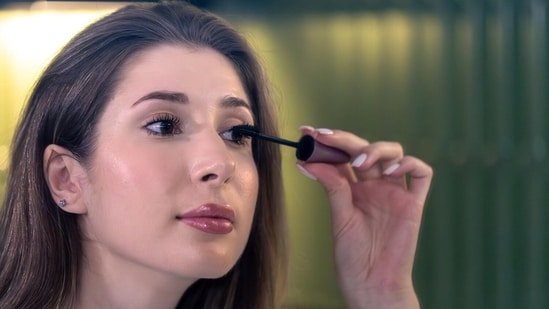
Any makeup look is incomplete without good eye makeup. Regardless of the intensity, the eyes often become the focal point of the entire look. Whether it is a bold smoky eye with smudged eyeshadow and rimmed kohl, like the iconic look worn by Deepika Padukone in Piku, clean makeup styles inspired by the likes of Hailey Bieber and Bella Hadid that rely on a light coat of mascara and neutral shades, or the more experimental and whimsical colourful styles as seen on Zara Larsson. The point being the eye makeup changes the entire vibe of a look.
ALSO READ: Do you really need blue light glasses? Ophthalmologist explains what actually helps your eyes
While eye makeup undoubtedly elevates your look, it is vital you pay attention to eye hygiene and safety, particularly if you wear it every day.
To get a better understanding of eye makeup safety rules, HT Lifestyle connected with Dr Suvira Jain, senior consultant (Refractive Eye Surgery) at ASG Eye Hospital. She warned that issues like itching, tearing and burning in the eyes are quite common, and it is important to exercise caution as the eye area is very sensitive.
It is easy to brush these signs off, but the ophthalmologist warned that they could also indicate dry eye syndrome, or even bacterial or viral infections, meaning you should pay attention to these symptoms and seek medical advice if they persist.
Here are some of the ophthalmologist-approved eye makeup safety tips:
1. Inspect the makeup product
- Using properly labelled and approved makeup products that follow safety regulations is a must.
- Reading packaging labels carefully. Check the dates (manufacturing and expiry both.)
- Products that smell bad, appear clumped, dry or stale should be discarded.
2. Maintain hygiene
- Before applying makeup, wash your hands and face.
- Clean brushes and applicators regularly, and sanitise.
- Avoid sharing makeup brushes or eyelash curlers (amongst other things) with other people.
- Sharing products, including store ‘testers’, increases the risk of bacterial and fungal infections.
3. Avoid applying makeup on the waterline
- Don’t apply it on the inner eyelids and waterline, as this can directly block the Meibomian glands that produce essential oils for a healthy tear film, which leads to dry eyes.
- Contact lens wearers must be especially careful.
4. Be careful with glitter and certain kajal products
- Be cautious of glittery or iridescent products, as tiny particles in them irritate the eye.
- Some Kohl (surma or Kajal) products may contain harmful levels of lead.
- If you still want to use, choose natural options.
5. Products and practices to avoid
- Products like permanent eyebrow markers, eyelash inking and the use of adhesives for false lashes should be avoided.
- Moistening dried mascara or eyeliner with water or saliva is not a good hygiene practice.
- They can create serious complications if used unhygienically and regularly.
6. Store makeup products properly
- Storing products in cool, dry places and keeping their lids tightly closed is a safe practice.
- It keeps products ‘germ-free’ for a long time.
7. Remove makeup before sleeping
- Always remove eye makeup before going to bed using a gentle and eye-safe makeup remover.
- Sleeping with makeup on increases the risk of blepharitis, and inflammation of the eyelids.
Besides these precautions, the ophthalmologist also advised going makeup-free one day every week, or once a fortnight, as it helps reduce buildup from products like mascara, kajal, liner and lash glue, and lowers the risk of irritation, dryness, and blocked glands. But when should you see a doctor? She said symptoms such as redness, pain, discharge or persistent blurred vision should not be ignored and require medical attention. Never rub your eyes, if you feel like they are irritated.
Note to readers: This article is for informational purposes only and not a substitute for professional medical advice. Always seek the advice of your doctor with any questions about a medical condition.
